





It’s That Time of Year Again
You know the sound. That dry cough from the next cubicle. The sniffle in the grocery store line. Your kid comes home from school and announces that “half the class is sick.” And suddenly you’re doing mental math: how long until it gets me?
Here’s the honest truth nobody puts on a supplement bottle: you can’t “boost” your immune system overnight. There’s no magic tea, pill, or shot that turns you invincible by Friday. Your immune system isn’t a light switch — it’s more like a garden. It thrives when you tend it consistently, and it struggles when you neglect it.
The good news? The things that actually strengthen immunity are boring, free, and entirely within your control. Here are nine of them, backed by real science, that you can start today.
1. Sleep Like Your Health Depends on It (Because It Does)
People who regularly sleep less than six hours are significantly more likely to catch a cold than those who get seven or more — that’s not folk wisdom, that’s research. While you sleep, your body produces infection-fighting proteins called cytokines, and skimping on rest short-circuits that process.
You don’t need a perfect eight hours every night. But if you’re running on five hours and energy drinks, your immune system is running on fumes too. Aim for seven to nine, keep a roughly consistent bedtime, and treat sleep like the health tool it is — not a luxury.
2. Eat the Rainbow (Yes, It Actually Matters)
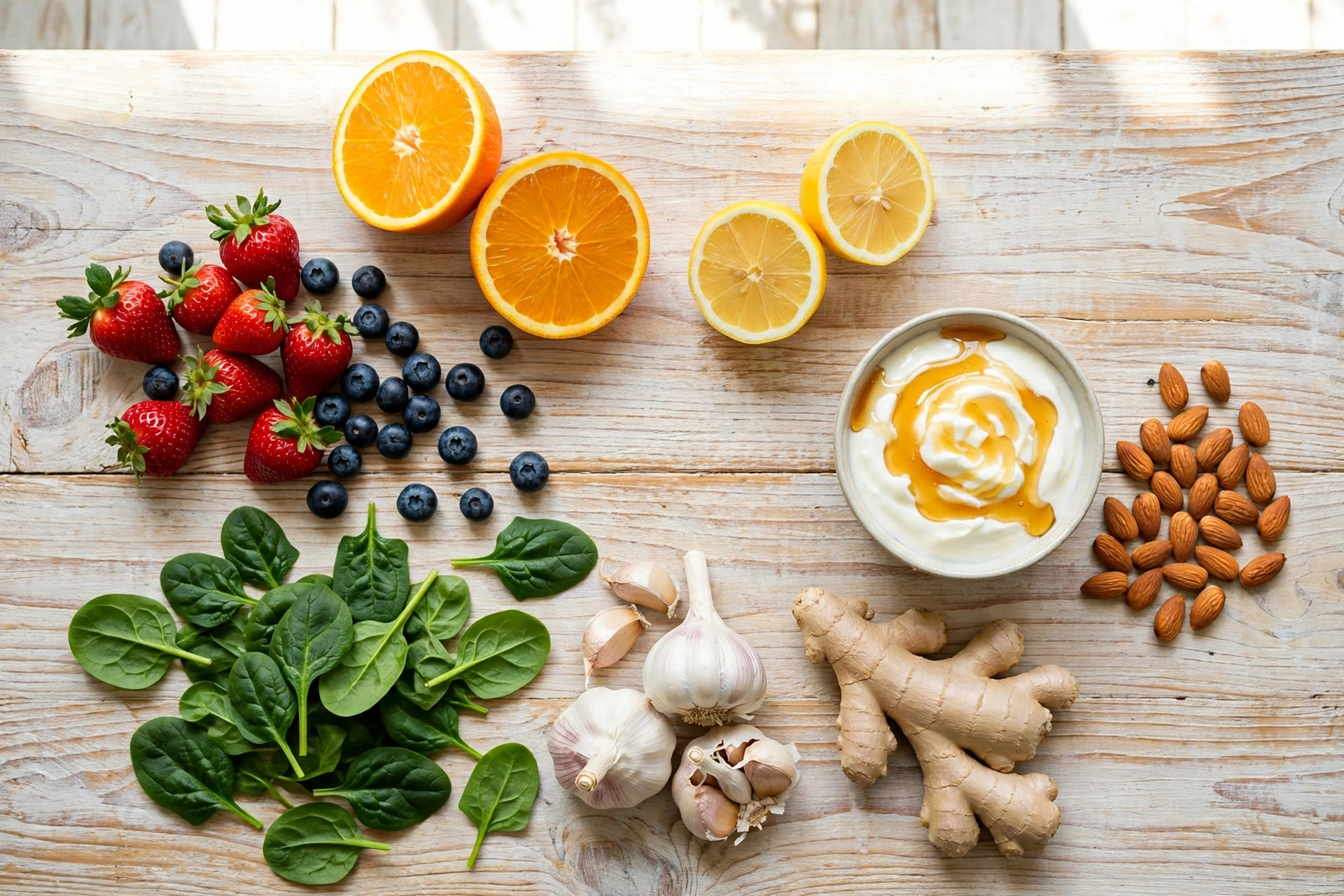
Fruits and vegetables deliver the vitamins, minerals, and antioxidants your immune cells literally run on. Vitamin C from citrus, berries, and bell peppers. Beta-carotene from sweet potatoes and carrots. Vitamin A, vitamin E, folate — the list goes on.
Practical tip: don’t overhaul your diet. Just add one extra vegetable to dinner and one piece of fruit to your day. Frozen produce counts — it’s often picked and frozen at peak ripeness, so nutritionally it holds its own against “fresh” produce that’s been sitting in a truck for a week.
3. Feed Your Gut — Most of Your Immunity Lives There
Roughly 70% of your immune system resides in your gut. That’s not a metaphor. Your digestive tract is home to trillions of microbes that train and regulate your immune response.
You can support them with:
- Fermented foods: yogurt with live cultures, kefir, kimchi, sauerkraut, miso
- Fiber: oats, beans, lentils, apples, bananas — fiber feeds the good bacteria
- Variety: eating 30 different plant foods a week is a great (and fun) target
If your diet is mostly processed food and sugar, your gut bacteria feel it — and so does your immunity.
4. Move Regularly, But Don’t Punish Yourself
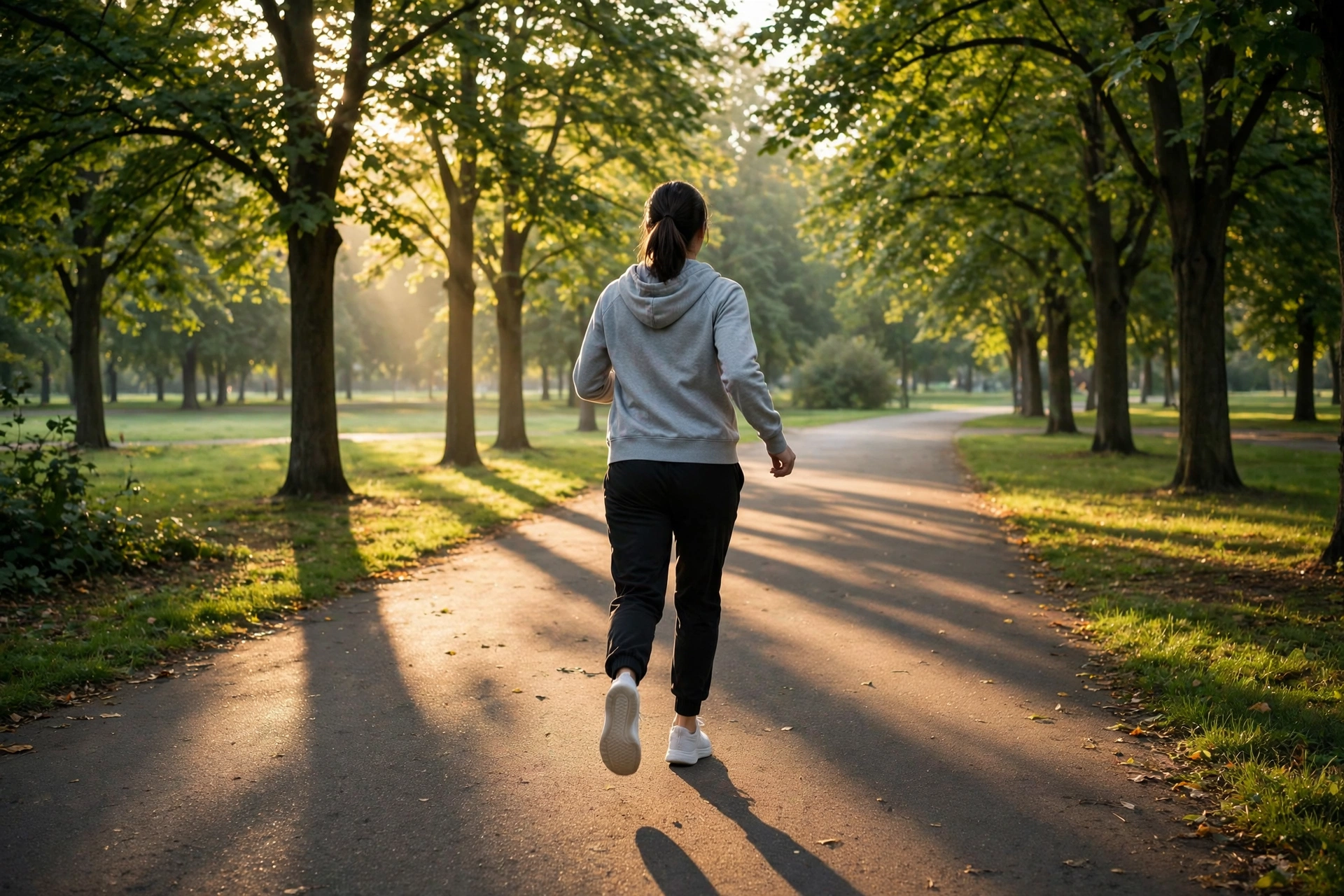
Moderate exercise is one of the most reliable immune supporters there is. A brisk 30-minute walk most days helps immune cells circulate more effectively through your body. People who exercise moderately catch fewer colds than couch potatoes.
But here’s the catch: extreme, exhausting workouts can temporarily suppress immunity. Running yourself into the ground the week before a big trip is a classic way to arrive sick. The sweet spot is consistent, moderate movement — walking, cycling, swimming, dancing in your kitchen. Whatever you’ll actually do.
5. Get Some Sunlight (Your Vitamin D Depends on It)
Vitamin D plays a real role in immune defense, and low levels are linked to more respiratory infections. In November, with shorter days and more time indoors, a lot of people quietly run low.
Try to get 10–20 minutes of midday daylight on your face and hands when you can. If you live somewhere with long, dark winters — or you rarely see the sun between office walls — it’s worth asking your doctor about checking your levels and whether a supplement makes sense. Fatty fish, eggs, and fortified milk can help too.
6. Stay Hydrated
Water doesn’t “flush out toxins” the way wellness influencers claim, but hydration does matter for immunity. Your lymph — the fluid that carries immune cells around your body — needs adequate water to circulate properly. And staying hydrated keeps the mucous membranes in your nose and throat moist, which is literally your first line of defense against airborne germs.
Keep a water bottle in sight and sip through the day. Herbal tea counts. If your urine is pale yellow, you’re doing fine.
7. Cut Back on Sugar and Alcohol
This one stings a little, I know. But high sugar intake can blunt your immune response for hours after you eat it, and regular heavy drinking disrupts sleep, damages gut bacteria, and weakens immune defenses across the board.
I’m not saying never touch dessert or wine again. Just be honest about the dose. A couple of drinks a week is very different from a couple every night. And when the holiday sweets start piling up, enjoy them — but don’t let every single day become a sugar marathon.
8. Manage Your Stress Before It Manages You
Short bursts of stress are fine. Chronic stress is the problem: it keeps cortisol elevated, and over time that suppresses the very immune cells you need. That’s why people so often get sick right after a brutal deadline passes — the body finally lets its guard down.
You don’t need an hour of meditation. Try five minutes of slow breathing, a walk around the block without your phone, or writing down what’s actually bothering you. The goal isn’t a stress-free life (good luck with that) — it’s giving your nervous system regular breaks.
9. The Boring One That Actually Works: Wash Your Hands
After eight habits about strengthening your immune system, here’s the simplest defense of all: stop giving germs a free ride. Wash your hands with soap for 20 seconds — the time it takes to hum “Happy Birthday” twice — especially before eating and after being in public places.
And try to stop touching your face. The average person does it dozens of times an hour, and your eyes, nose, and mouth are the express lanes for viruses. This habit alone prevents more illness than any supplement ever will.
What About “Immune Booster” Supplements?
Let’s be honest for a second. The supplement aisle wants you to believe a $40 bottle will do what habits do. The evidence is underwhelming: mega-doses of vitamin C don’t prevent colds for most people, and “immune support” blends are rarely tested rigorously.
Supplements make sense when you’re actually deficient in something — vitamin D in winter, B12 for some vegetarians, iron if your doctor flags it. But they can’t compensate for four hours of sleep and a diet of vending machine food. Fix the foundations first; supplement only what a professional says you’re missing.
When to See a Doctor
These habits are for everyday immune support, not for diagnosing problems. Talk to a healthcare professional if you:
- Get sick unusually often or stay sick for a long time
- Notice wounds healing very slowly
- Feel exhausted all the time despite sleeping enough
- Get frequent infections that need antibiotics
Those can be signs of something that needs real medical attention, not just more oranges.
The Takeaway
Nobody’s immune system is perfect, and even the healthiest person catches a cold sometimes. That’s normal — it means your immune system is doing its job, learning and adapting.
But the difference between getting every bug that goes around and sailing through the season mostly unscathed usually isn’t luck. It’s sleep, food, movement, sunlight, and the unglamorous basics, done consistently. Start with one or two habits from this list today. Your future self — the one not sneezing through December — will thank you.
Disclaimer: This article is for informational purposes only and is not medical advice. If you have a health condition or concerns, please consult a qualified healthcare professional.