







You’ve probably heard a dozen different rules about workout food. Eat protein within 30 minutes or your workout was wasted. Never eat before training. Carbs are the enemy. Carbs are essential. It’s enough to make anyone give up and just grab whatever’s in the fridge.
Here’s the good news: eating around your workouts is much simpler than the fitness world makes it sound. You don’t need a supplement stack or a meal plan written by a scientist. You just need to understand a few basics — what your body actually needs before and after exercise — and then build simple habits around them.
Why What You Eat Around a Workout Matters
Think of your body like a car. Food is the fuel, and exercise is the drive. If you try to drive on an empty tank, you’ll sputter. If you fill up with the wrong stuff right before a long trip, you’ll feel sluggish and uncomfortable.
Before a workout, your body needs energy it can access quickly. During the workout, it burns through stored energy (glycogen) and breaks down some muscle tissue. Afterward, it needs raw materials to repair that muscle and refill those energy stores. That’s really all there is to it. The goal isn’t perfection — it’s giving your body what it needs, roughly when it needs it.
What to Eat Before a Workout
The main job of a pre-workout meal is simple: give you energy without weighing you down. That means carbohydrates are your best friend here, with a little protein on the side.
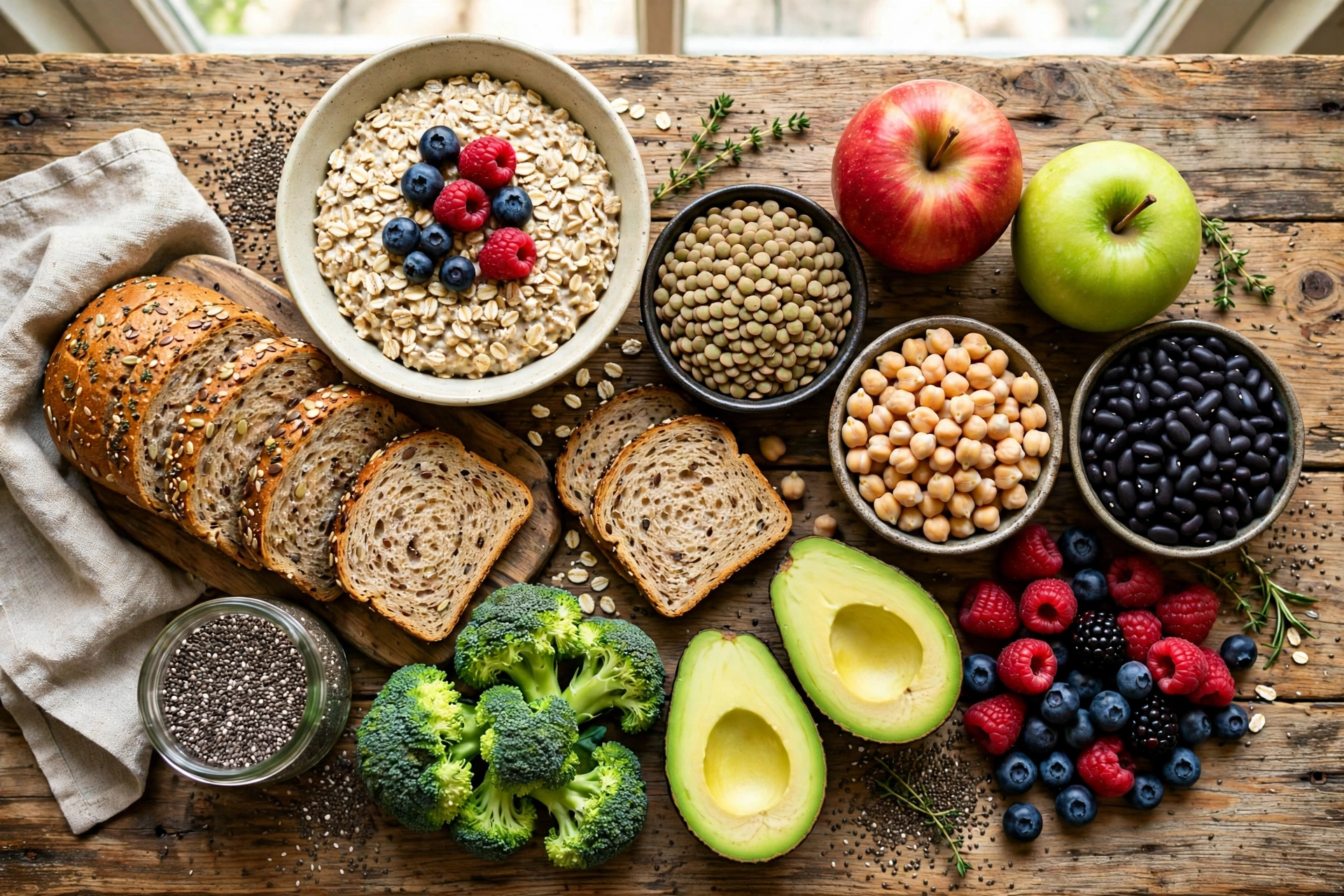
Eat 2–3 hours before training if you can. A balanced meal with carbs and moderate protein works well — something like oatmeal with a banana, eggs on toast, or rice with chicken and vegetables. This gives your body time to digest so the energy is available when you need it.
If you only have 30–60 minutes, keep it small and easy to digest. A banana, a slice of toast with peanut butter, or a small handful of dates will do. The closer you are to the workout, the lighter the snack should be.
Good pre-workout foods include:
- Bananas, apples, or a handful of berries
- Oatmeal, toast, or a small bowl of rice
- Yogurt with honey
- A smoothie with fruit and milk
- A boiled egg with toast
What to avoid right before training: big, fatty, or very high-fiber meals. A heavy plate of fried food or a giant salad 20 minutes before a run is a recipe for stomach cramps. Fat and fiber slow digestion, which is the opposite of what you want when your body is about to work hard.
And here’s something people forget: you can work out on an empty stomach if that feels better for you. Some people love a fasted morning walk or a light gym session before breakfast. That’s fine for easy or moderate exercise. But for intense training — heavy lifting, a long run, a tough class — most people perform noticeably better with at least a small snack beforehand. Try both and see what your body prefers.
What to Eat After a Workout
After you train, your body has two priorities: repair muscle and restock energy. That means protein and carbohydrates, ideally in the same meal.
Protein is the priority. Aim for roughly 20–30 grams of protein in your post-workout meal. That could be a chicken breast, two eggs with beans, a cup of Greek yogurt, a protein shake, or a serving of lentils with rice. You don’t need a fancy supplement — real food does the job perfectly well.
Don’t skip the carbs. A lot of people eat only protein after a workout and wonder why they’re still tired. Your muscles used up their glycogen stores, and carbs are what refill them. Add rice, potatoes, bread, fruit, or oats to that post-workout plate.
Good post-workout meals include:
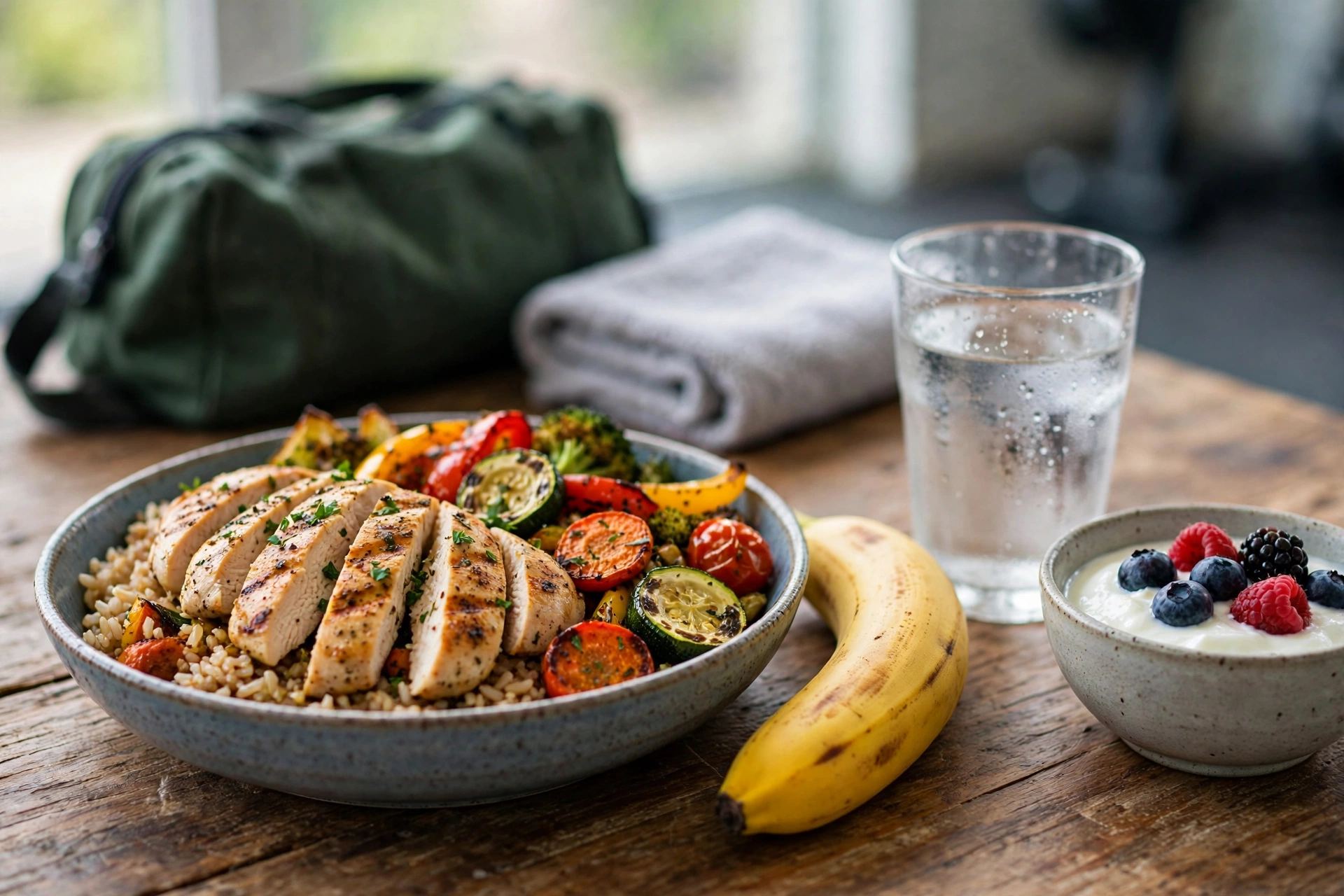
- Grilled chicken with rice and vegetables
- Eggs, toast, and a piece of fruit
- Greek yogurt with berries and a drizzle of honey
- Lentil curry with rice
- A smoothie with milk, banana, oats, and peanut butter
What about the “30-minute window”? You’ve probably heard that you must eat protein within 30 minutes of finishing or the workout doesn’t count. Relax. That idea has been blown way out of proportion. Research shows the window is much wider than that — eating a good meal within a couple of hours is perfectly fine. What matters most is your total protein intake across the whole day, not the exact minute you eat after training. So if you need a shower and a drive home first, don’t stress about it.
Don’t Forget Water
This one is so simple that people overlook it, and it’s arguably the most important part of the whole picture. Even mild dehydration can make a workout feel much harder than it should, and it slows your recovery afterward.
A practical approach:
- Drink a glass or two of water in the hour before you train.
- Sip water during your workout, especially if you’re sweating a lot or exercising for more than an hour.
- Afterward, keep drinking. If your workout was long and sweaty, a pinch of salt in your food or a sports drink can help replace what you lost — but for most everyday workouts, plain water is enough.
A quick check: if your urine is pale yellow, you’re doing fine. Dark yellow means drink more.
A Simple Sample Day
Here’s what a day of eating around workouts might look like for someone who trains in the late afternoon:
- Breakfast: Oatmeal with banana and a boiled egg
- Lunch: Rice, lentils, and vegetables
- Pre-workout snack (about an hour before): Toast with peanut butter and a banana
- Dinner (post-workout): Grilled chicken or fish with potatoes and a big salad
- Water throughout the day
Nothing exotic. Nothing expensive. Just real food, timed sensibly.
Common Mistakes to Avoid
- Skipping meals to “earn” your workout. Training on empty day after day leaves you tired, weak, and more likely to get injured. Food is fuel, not the enemy.
- Overdoing the supplements. Protein powder can be convenient, but it’s not magic. Most people get enough protein from food once they pay a little attention to it.
- Eating a huge meal right before training. Give your stomach time. A full stomach and a hard workout don’t mix.
- Forgetting carbs after training. Protein gets all the attention, but carbs are what actually refill your energy. A post-workout meal without carbs is only half the job.
- Copying someone else’s plan. A bodybuilder’s diet and a beginner’s diet look nothing alike, and that’s fine. Start simple, notice how you feel, and adjust.
The Bottom Line
Workout nutrition doesn’t need to be complicated. Eat some carbs and a little protein before you train, eat protein and carbs after, drink enough water, and eat well across the whole day. That’s about 90% of it.
The people who get the best results aren’t the ones with the most complicated meal plans — they’re the ones who stick to simple habits for months and years. So pick a few pre- and post-workout meals you actually enjoy, keep them in your routine, and let consistency do the heavy lifting.
Disclaimer: This article is for informational purposes only and is not medical advice. If you have a health condition or concerns, please consult a qualified healthcare professional.