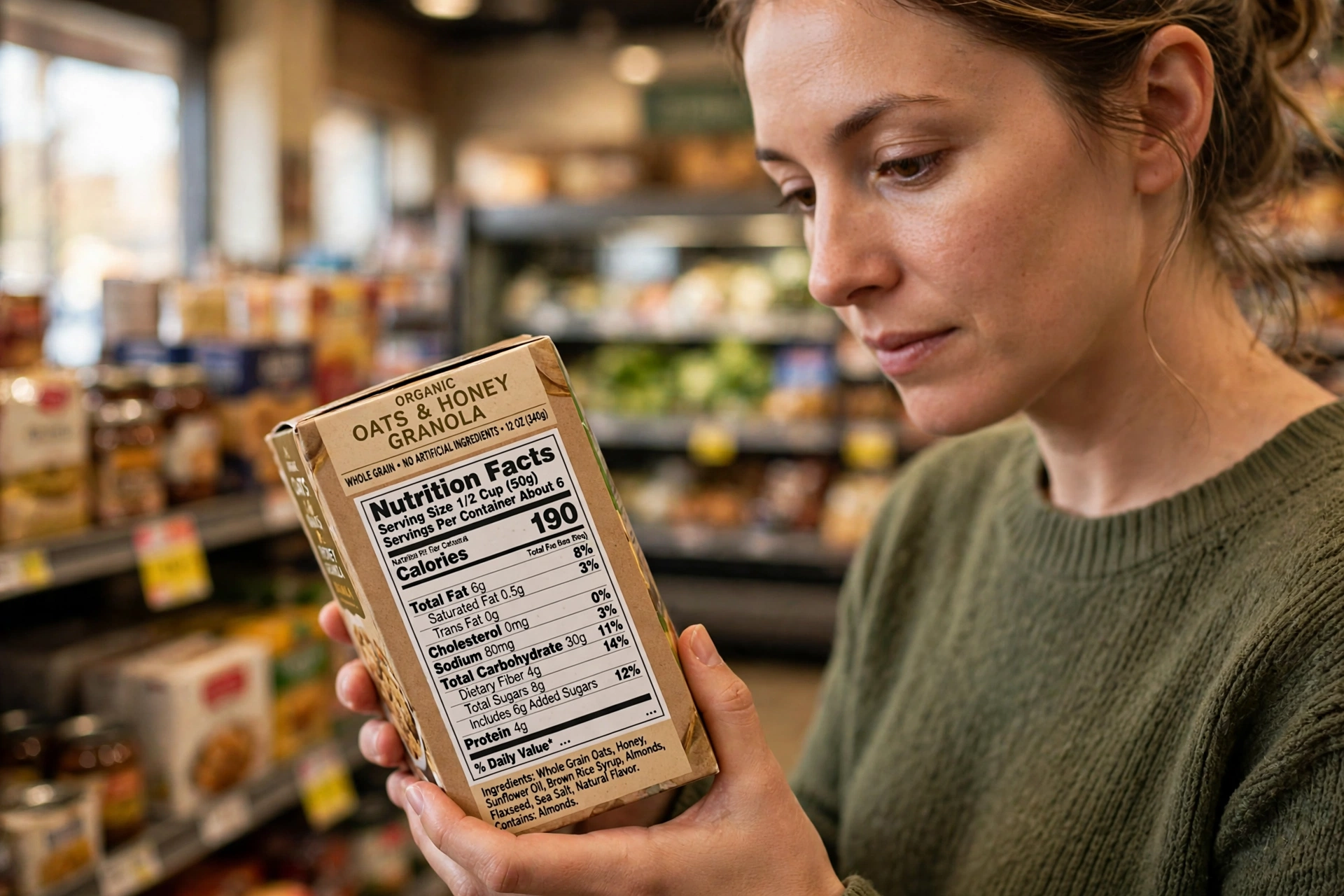








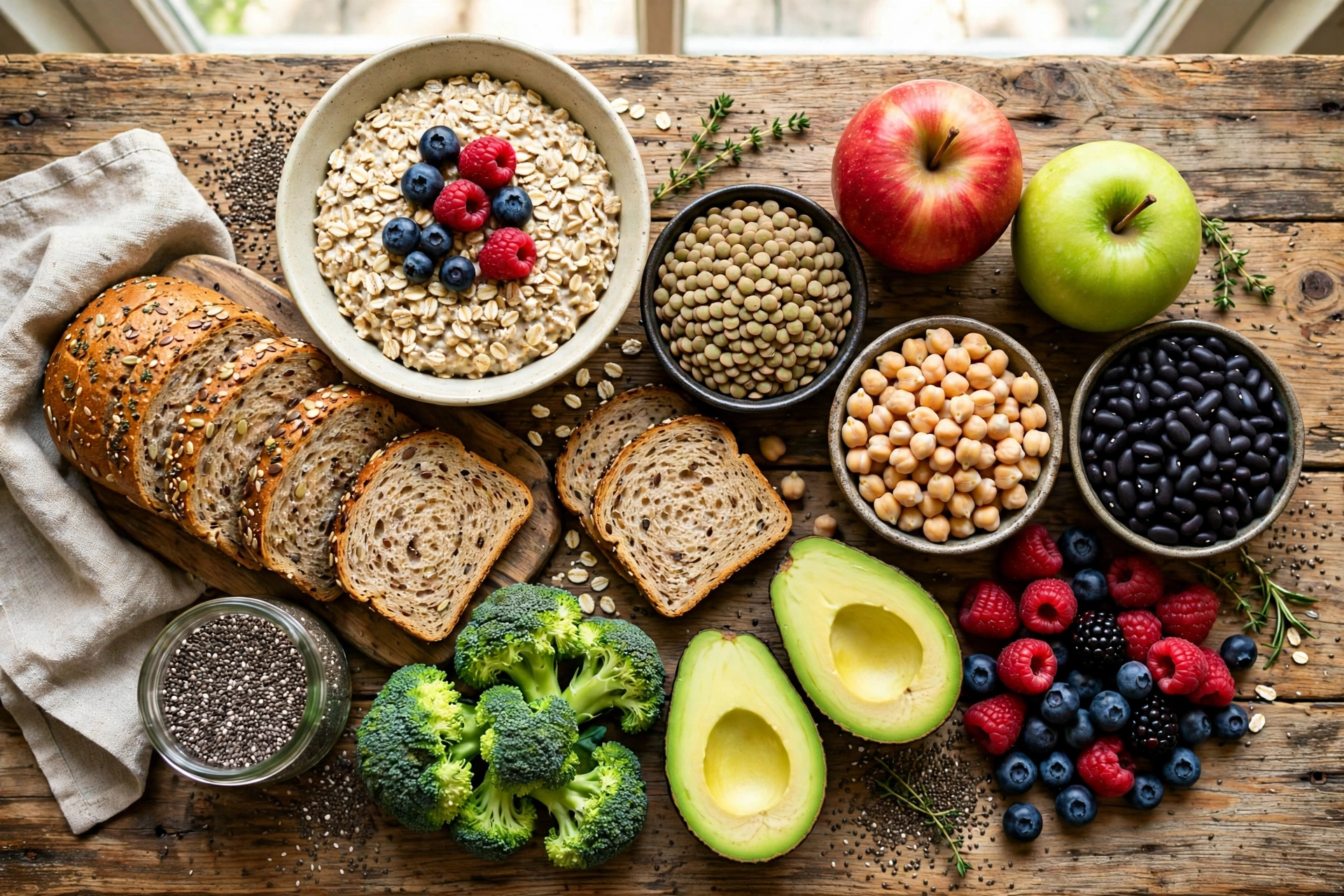
If you had to name the one nutrient almost everyone is falling short on, fiber would win by a mile. Most adults get barely half of what they need each day — and the funny thing is, it’s not some exotic superfood or expensive supplement. It’s sitting right there in beans, oats, apples, and the vegetables we keep pushing to the side of the plate.
Fiber doesn’t get the glory that protein does. Nobody brags about their fiber intake at the gym. But quietly, in the background, it does an enormous amount of work: it keeps your digestion moving, feeds the good bacteria in your gut, steadies your blood sugar, helps you feel full, and even supports heart health. If your diet had a most valuable player that never makes the highlight reel, this would be it.
How Much Fiber Do You Actually Need?
The general guidance is around 25 grams a day for women and 38 grams for men. Most people land somewhere between 12 and 15 grams — roughly half. That gap matters more than it sounds, because fiber’s benefits build up over time. It’s not a one-meal fix; it’s a daily habit that compounds.
You don’t need to count every gram forever. But spending one week paying attention to where your fiber comes from will change how you look at your plate. Once you know the big sources, hitting the target becomes almost automatic.
Why Fiber Does So Much More Than “Keep You Regular”
Yes, fiber helps with digestion — that’s its most famous job. But that’s only the beginning.
It feeds your gut bacteria. The soluble fiber in foods like oats, beans, and bananas acts as food for the beneficial microbes in your gut. A well-fed gut microbiome is linked to better immunity, better mood, and less inflammation. Think of fiber as the fertilizer for your inner garden.
It steadies your blood sugar. Fiber slows down how quickly your body breaks down carbohydrates, which means fewer sharp spikes and crashes after meals. That steady energy is the difference between feeling fine at 3 p.m. and raiding the snack drawer.
It keeps you full. High-fiber foods take longer to chew and longer to digest. A bowl of lentil soup will keep you satisfied far longer than the same number of calories from white bread and jam. If weight management is on your mind, fiber is quietly one of your best allies.
It’s good for your heart. Soluble fiber helps lower LDL (“bad”) cholesterol by binding to it in the digestive system. It’s a small effect per meal, but over months and years, it adds up in a meaningful way.
The Easiest High-Fiber Foods to Add to Your Day
You don’t need a shopping list full of unfamiliar ingredients. Some of the best sources are things you probably already buy:
- Lentils and beans — A cup of cooked lentils packs around 15 grams of fiber. Add them to soups, salads, or curries a few times a week.
- Oats — A bowl of oatmeal in the morning gives you about 4 grams before your day has even started. Add berries and chia seeds and you’re well on your way.
- Berries, apples, and pears — Eat the skin where you can; that’s where much of the fiber lives. Raspberries are especially impressive, with about 8 grams per cup.
- Vegetables — Broccoli, carrots, sweet potatoes, and Brussels sprouts are all strong sources. Aim to fill half your plate with vegetables at lunch and dinner.
- Whole grains — Swap white bread and white rice for whole-wheat bread, brown rice, or quinoa. The difference in fiber is dramatic.
- Nuts and seeds — A small handful of almonds or a spoonful of chia or flax seeds adds fiber along with healthy fats.
The Bloating Problem (and How to Avoid It)
Here’s the honest part: if you jump from 12 grams of fiber to 35 grams overnight, your gut will notice — and it will complain. Bloating and gas are the most common reasons people give up on fiber, and they’re almost always caused by increasing too fast rather than by fiber itself.
The fix is simple: go slowly. Add about 5 grams per day each week. If you normally eat white bread, switch to whole wheat this week. Next week, add beans to one meal. The week after, start your mornings with oats. Your gut bacteria need time to adjust to their new diet, and a gradual increase gives them that chance.
Water matters just as much. Fiber absorbs water as it moves through your digestive system — that’s part of how it works. Without enough fluid, extra fiber can actually make constipation worse instead of better. So as you increase fiber, increase your water intake too. Keep a bottle nearby and sip through the day rather than gulping large amounts at once.
A few more practical tips:
- Soak dried beans and lentils before cooking; it makes them easier to digest.
- Chew properly. It sounds obvious, but eating quickly and barely chewing puts extra work on your gut.
- Move your body. Even a short walk after meals helps your digestive system process fiber more comfortably.
- Pay attention to what bothers you. Some people are sensitive to specific high-fiber foods like raw broccoli or large amounts of beans. That’s normal — find the sources that agree with you and lean on those.
A Simple Day of High-Fiber Eating
You don’t need a complicated meal plan. Here’s what a normal day could look like:
Breakfast: Oatmeal with sliced banana, a handful of berries, and a spoonful of chia seeds. (Around 10 grams of fiber.)
Lunch: A whole-grain wrap with chickpeas, vegetables, and hummus, plus an apple. (Around 12 grams.)
Snack: A small handful of almonds and a pear. (Around 6 grams.)
Dinner: Lentil curry or bean soup with brown rice and a side of broccoli. (Around 12 grams.)
That’s roughly 40 grams — without any supplements, without any strange ingredients, and without feeling like you’re on a diet. Just real food, eaten in a slightly more deliberate way.
Should You Take a Fiber Supplement?
Supplements like psyllium husk can help in specific situations, and they’re generally safe for most people. But they shouldn’t be your first move. Real food gives you fiber along with vitamins, minerals, and plant compounds that a powder can’t replicate. Think of supplements as a backup plan — useful when you’re travelling, when your diet is temporarily off track, or when a doctor recommends them — not as a replacement for actual meals.
The Bottom Line
Fiber is not glamorous, but it’s one of the simplest upgrades you can make to your health. You don’t need a new diet, a new app, or a new supplement stack. You just need a few more beans, a few more vegetables, and a little more whole grain — added gradually, with enough water, and eaten most days.
Your gut will thank you. Your energy levels will probably notice too. And the best part? It’s one of the cheapest health improvements out there. A bag of lentils costs almost nothing, and it might do more for your health than half the products in the supplement aisle.
Start small this week. Pick one meal and make it more fiber-rich. That’s it. Next week, pick another. Small changes, repeated daily, are how real health is built.
Disclaimer: This article is for informational purposes only and is not medical advice. If you have a health condition or concerns, please consult a qualified healthcare professional.