








Let me be honest with you: I’ve watched more people fail at quitting sugar than succeed. Not because they lack willpower — because they go about it completely wrong.
They wake up on a Monday, throw every sweet thing in the house into the bin, swear off sugar forever, and by Thursday evening they’re standing in front of the fridge at 11 PM eating jam with a spoon. Sound familiar? It happens to almost everyone. And then they conclude the classic line: “I just can’t do it. I’m addicted to sugar.”
Here’s what I want you to know before we go any further: you probably can do it. You just need a smarter plan than cold turkey.
Why Quitting Sugar Feels So Hard
First, a bit of science, because understanding the enemy helps.
Sugar isn’t just sweet — it’s rewarding. When you eat sugar, your brain releases dopamine, the same feel-good chemical linked to pleasure and motivation. Over time, your brain starts expecting that hit. The 3 PM biscuit with your tea isn’t really about hunger; it’s your brain asking for its afternoon reward.
On top of that, sugar hides everywhere. The obvious stuff — chocolates, fizzy drinks, desserts — you know about. But the sneaky sugar is in bread, pasta sauce, flavored yogurt, granola bars, even “healthy” juices. The average person eats far more sugar than they realize, often without tasting anything sweet.
So when you suddenly cut it all out, your brain protests. Cravings, irritability, headaches, that foggy can’t-think feeling — all normal. This is the part where most people give up. But here’s the good news: this phase passes. For most people, the worst of it is over in about three to five days.
That said, going cold turkey makes this phase unnecessarily brutal. A gradual, structured approach gets you to the same destination with far less suffering.
The 21-Day Plan: Week by Week
Forget “forever.” Twenty-one days is long enough to break the habit loop and short enough to feel doable. Here’s how to structure it.
Days 1–7: Cut the Obvious, Keep Your Sanity
Week one is about the big, easy wins. Don’t touch anything sneaky yet. Just deal with the obvious sources:
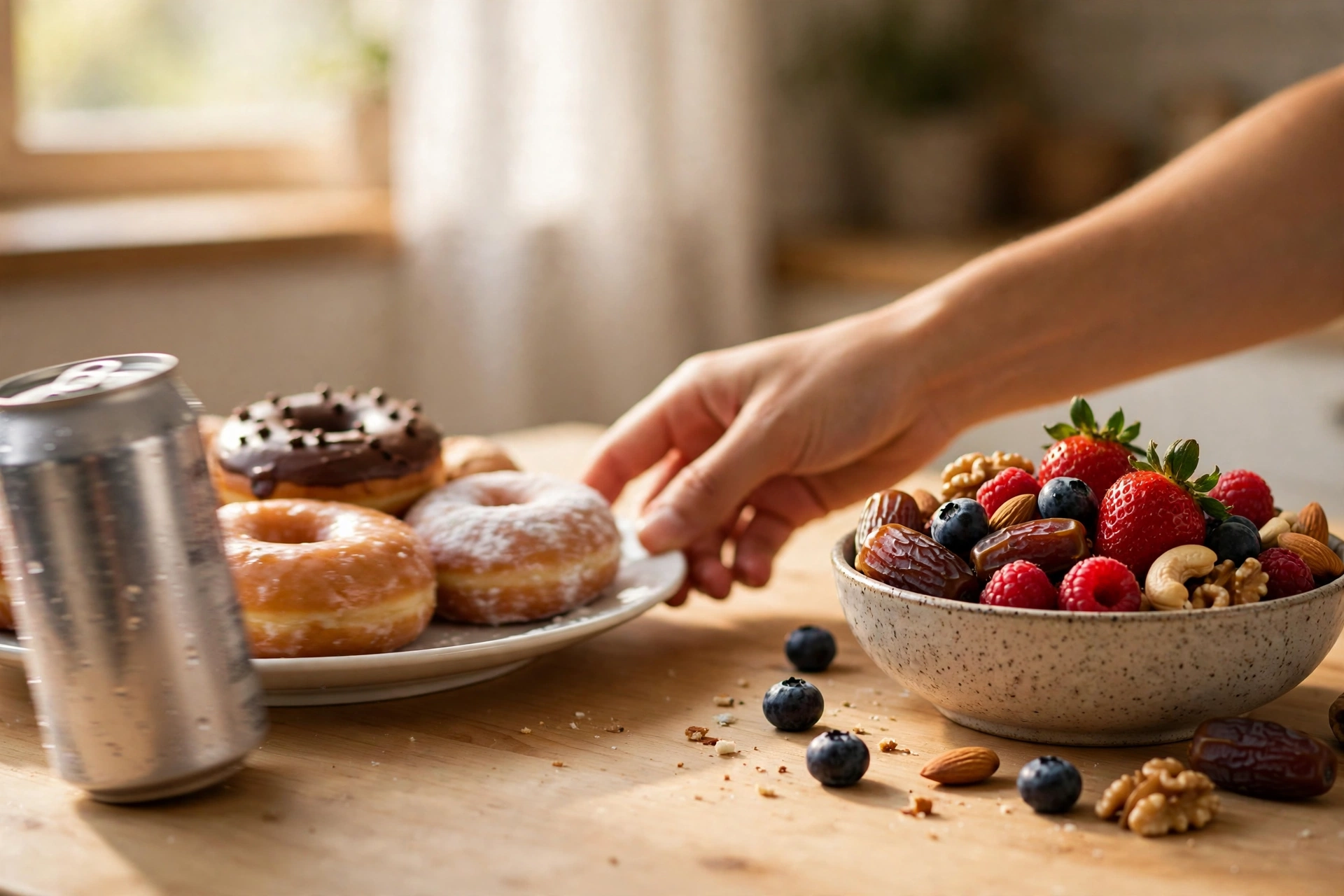
- Fizzy drinks and sugary juices. This is the single biggest sugar source for most people. A regular can of cola has around 35 grams of sugar — that’s about 9 teaspoons. Switch to water, sparkling water with lemon, or unsweetened tea.
- Desserts and sweets after meals. Chocolate, mithai, pastries, ice cream — pause them for three weeks. It’s temporary.
- Sugar in tea and coffee. This one hurts, I know. Cut your sugar by half this week rather than going straight to zero. If you take two spoons, go to one.
Don’t change anything else this week. Eat normally. The goal is just to remove the biggest sugar bombs and let your taste buds start adjusting.
Real-life tip: Tell your family what you’re doing. Nothing derails a sugar reset faster than someone offering you cake at a dinner and you not wanting to seem rude. A simple “I’m doing a three-week thing, I’ll have some after” works fine.
Days 8–14: Hunt the Hidden Sugar
Now that the obvious stuff is gone and your cravings have calmed down a bit, it’s time to deal with the sneaky sugar. This is the week that actually changes your long-term habits, because hidden sugar is what keeps most people hooked without them knowing.
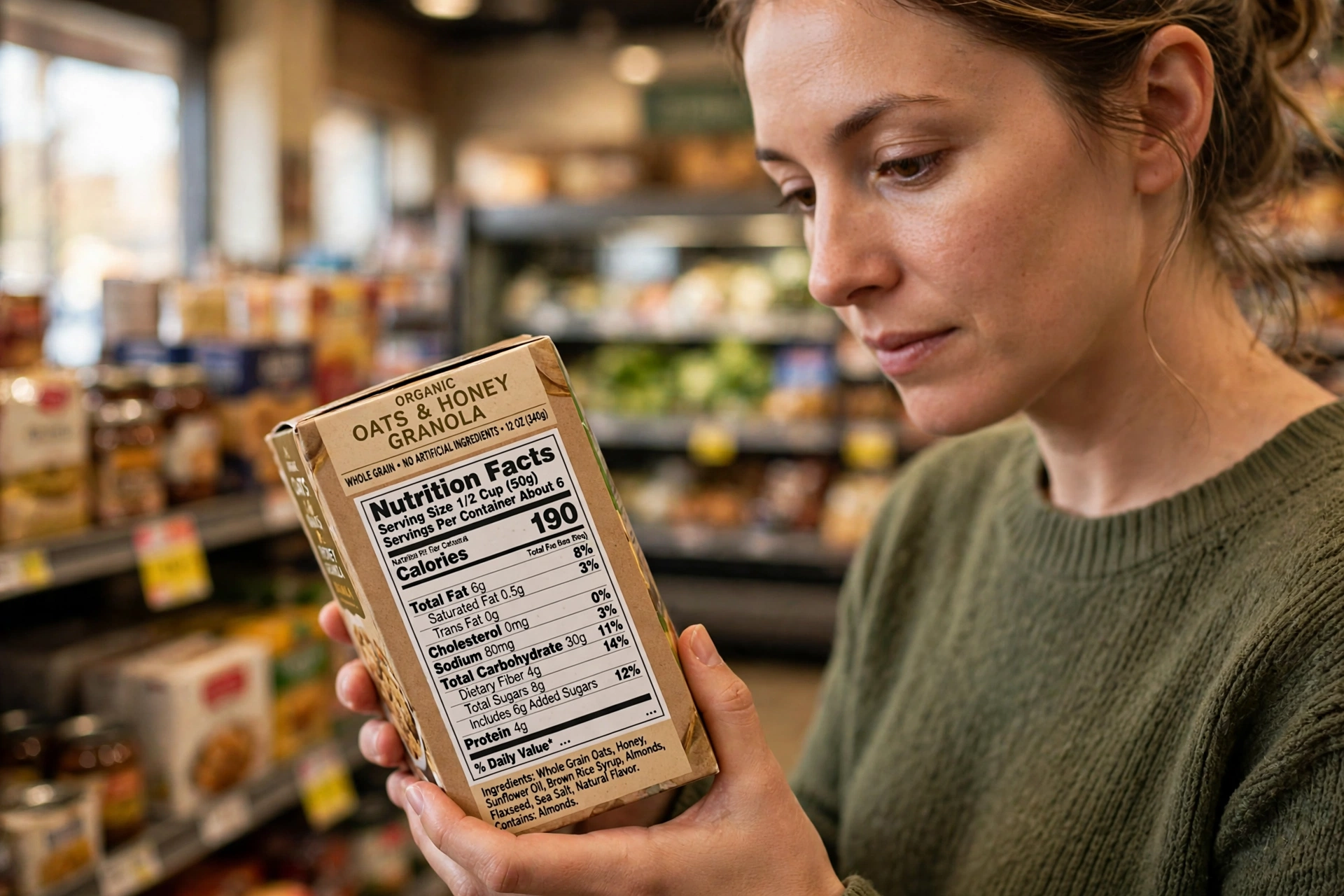
- Read labels. Check the ingredient list, not just the front of the packet. Sugar hides under names like glucose, fructose, corn syrup, dextrose, maltose, and anything ending in “-ose.” If sugar is in the first three ingredients, it’s a dessert wearing a health-food costume.
- Watch out for “healthy” traps. Flavored yogurt, breakfast cereals, granola bars, fruit juices, and ready-made sauces are the worst offenders. Plain yogurt with actual fruit tastes better anyway once your palate adjusts.
- Cook one more meal at home. Restaurant and takeaway food is loaded with hidden sugar. You don’t need to become a chef — even one extra home-cooked dinner a week makes a difference.
This is also the week your energy often improves. A lot of people notice the afternoon slump — that 3 or 4 PM crash — starts fading once the blood sugar rollercoaster levels out.
Days 15–21: Build the New Normal
By now, something interesting has happened: things that used to taste normal now taste too sweet. That chocolate bar you used to love? Suddenly it’s overwhelming. This is your taste buds resetting, and it’s the best sign the plan is working.
This week is about making the change stick:
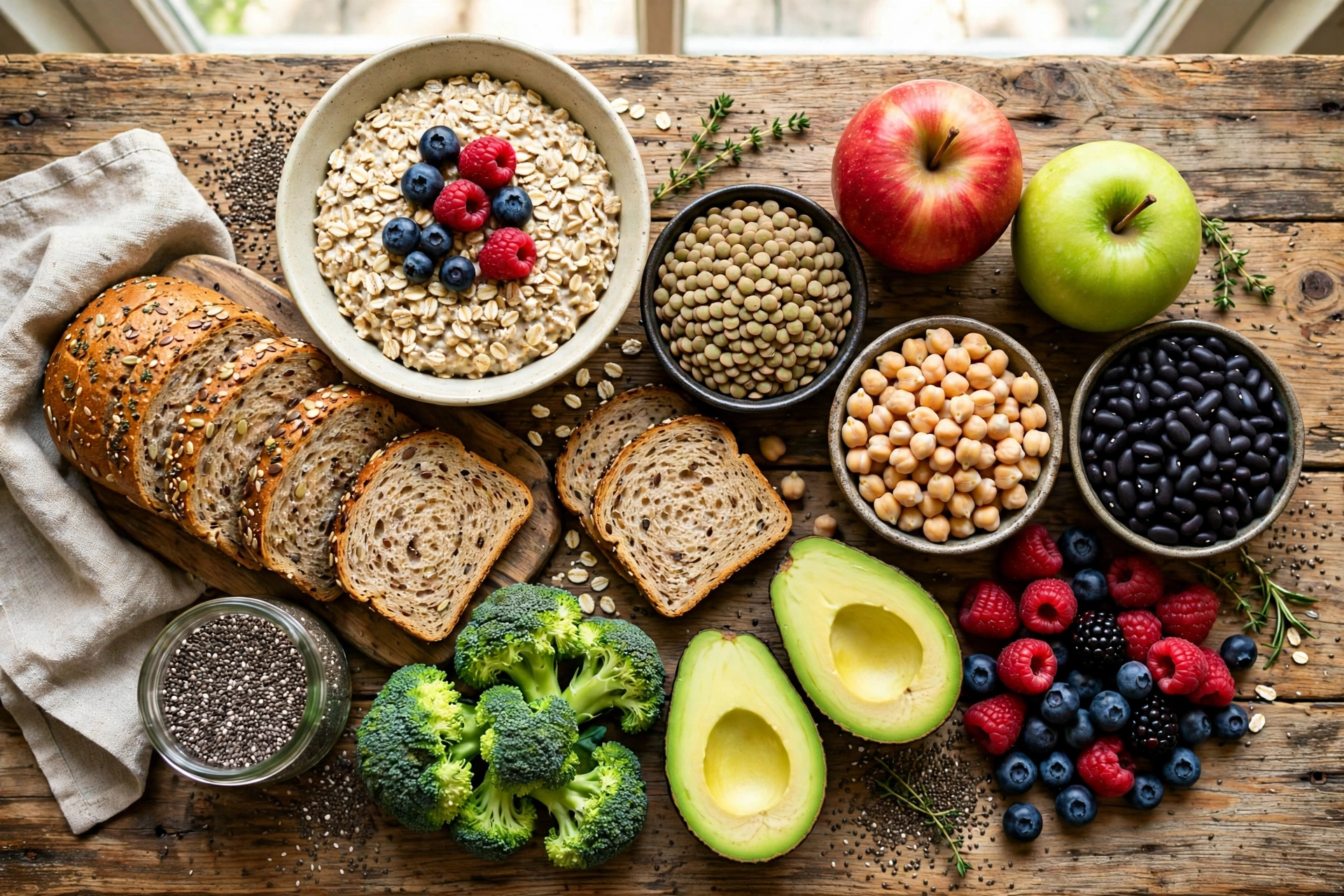
- Find your replacements. Craving something sweet after dinner? Try a few dates, a piece of dark chocolate (70% or higher — it has far less sugar), or frozen berries. The goal isn’t to suffer; it’s to find satisfying alternatives.
- Plan for social situations. Weddings, birthdays, office parties — sugar ambushes you at events. Decide your rule in advance. “I’ll have one small piece of cake at the party” works much better than white-knuckling it and then overeating later out of resentment.
- Don’t aim for zero forever. Here’s the truth nobody tells you: you don’t need to quit sugar completely. You need to break the dependence. After 21 days, most people find they can enjoy a dessert occasionally without spiraling. That’s the real victory.
What to Do When Cravings Hit (Because They Will)
Even with the best plan, cravings show up. Here’s what actually helps:
Drink water first. Thirst often disguises itself as a sugar craving. A full glass of water, waited out for ten minutes, kills a surprising number of cravings.
Eat something with protein or fat. A handful of nuts, an egg, some cheese — these stabilize your blood sugar and shut down the craving at its source. Sugar cravings get worse when you’re genuinely hungry, so don’t skip meals.
Go for a short walk. Cravings are partly habit and partly brain chemistry. Ten minutes of movement changes your brain chemistry enough to break the loop. This sounds too simple to work, but it genuinely does.
Brush your teeth. The minty taste makes sweet food seem unappealing. It’s a weird little trick, but plenty of people swear by it for evening cravings.
Wait it out. Cravings peak and fade like a wave, usually within 15 to 20 minutes. If you can distract yourself for that long, it passes.
What You’ll Probably Notice After 21 Days
Everyone’s different, but the most commonly reported changes are:
- Steadier energy. No more mid-afternoon crashes.
- Better sleep. High sugar intake, especially in the evening, messes with sleep quality.
- Clearer skin. This one surprises people, but many notice their skin calms down.
- Weight changes. Without even trying, most people drop a kilo or two, simply because they removed hundreds of empty calories a day.
- Food tastes better. Fruit starts tasting like dessert. This is my favorite part — your palate literally rediscovers real flavors.
The One Rule That Matters Most
If you take one thing from this article, let it be this: one slip doesn’t restart the clock.
Ate a donut on day 9? Fine. It happened. The plan isn’t broken — you just keep going from the next meal. The people who succeed at this aren’t the ones with perfect streaks; they’re the ones who don’t let one bad afternoon turn into “well, I already ruined it, might as well eat everything.”
Progress, not perfection. Every day with less sugar is a day your body thanks you for.
Your Next Step
Don’t start tomorrow. Don’t start Monday. Start with your next drink — swap the fizzy drink for water. That’s it. One small decision, right now.
Twenty-one days from today, you’ll barely recognize your old cravings.
Disclaimer: This article is for informational purposes only and is not medical advice. If you have a health condition or concerns, please consult a qualified healthcare professional.