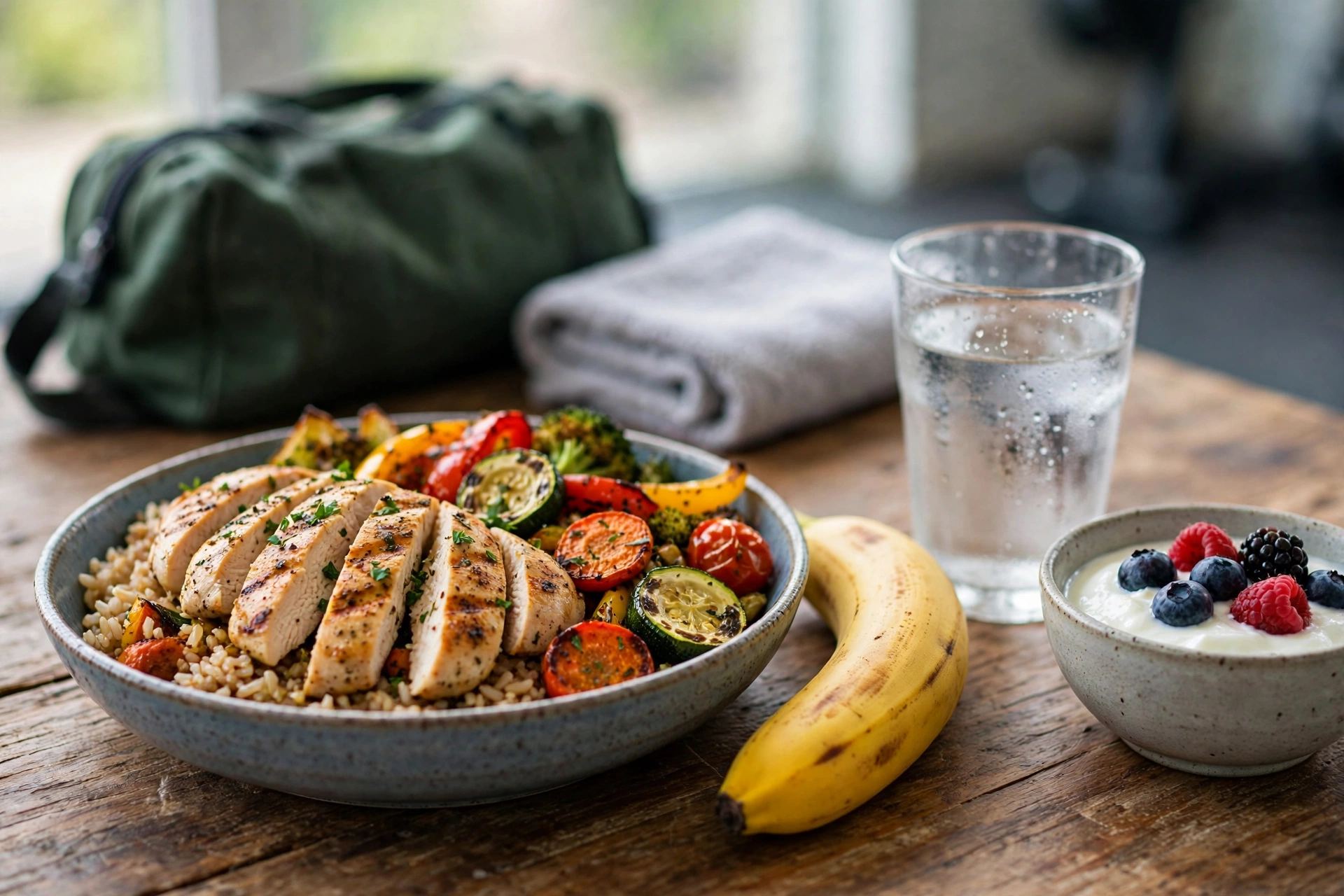





There’s a stubborn myth that eating healthy means emptying your wallet. You’ve probably heard it — or said it yourself — standing in a grocery aisle, looking at a tiny box of berries that costs more than a whole bag of rice. It feels like good food is a luxury, and junk food is the only thing that’s affordable.
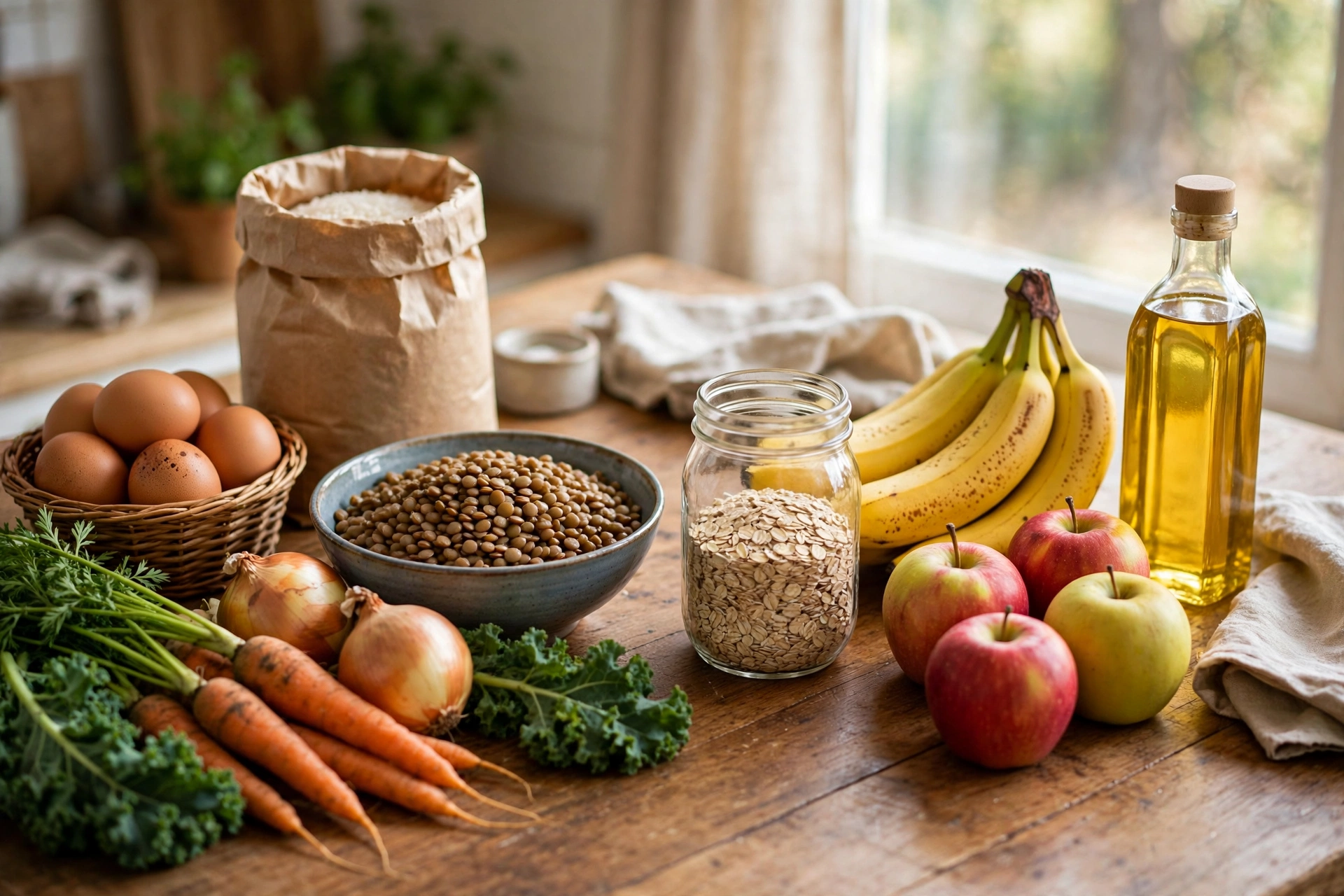
Here’s the truth nobody tells you: some of the healthiest foods on the planet are also the cheapest. Lentils, beans, eggs, oats, seasonal vegetables — these aren’t fancy superfoods with a fancy price tag. They’re ordinary, filling, and genuinely good for you. The trick isn’t spending more money. It’s spending it differently.
I learned this the hard way. A few years ago, my grocery bill was out of control and my diet was still terrible. I was buying expensive “health” snacks and ready meals, thinking the price tag meant quality. It didn’t. Once I started cooking simple meals from basic ingredients, my food bill dropped — and I felt better, too.
If you’re trying to eat well without breaking the bank, these twelve tips actually work. No gimmicks, no expensive powders, just common sense that holds up.
1. Build Your Meals Around Cheap Staples
Every cuisine in the world has cheap, nutritious staples, and there’s a reason for that — they work. Rice, oats, lentils, beans, potatoes, and eggs cost very little and keep you full for hours.
Try this: make one of these the base of every meal. Oats for breakfast, rice and lentils for lunch, potatoes and eggs for dinner. Then add vegetables and a little seasoning, and you’ve got a real meal for a fraction of what a takeaway costs.
2. Buy Seasonal Vegetables (and Learn What’s in Season)
A tomato in peak season costs next to nothing and tastes incredible. The same tomato out of season costs three times as much and tastes like cardboard. That’s not a coincidence — seasonal produce is abundant, so it’s cheap.
Take five minutes to learn what’s in season where you live. Your local market will tell you, too: whatever’s piled high and cheap is in season. Build your week’s meals around that, and you’ll eat better for less without even trying.
3. Cook in Batches and Embrace Leftovers
Cooking one meal at a time is expensive in time and money. Cooking a big pot of lentil soup or bean stew on Sunday, on the other hand, gives you lunch for three days — and it usually tastes better on day two.
I keep two or three containers in the fridge at all times. It’s the difference between eating a proper homemade lunch and grabbing something fried and overpriced because I was too tired to cook.
4. Stop Buying Drinks
This one is almost too simple, but it saves more money than any other tip on this list. Fizzy drinks, packaged juices, fancy coffees, energy drinks — they add up to a shocking amount over a month, and they give your body almost nothing in return.
Water is free, or close to it. Tea is cheap. If you miss the fizz, sparkling water with a squeeze of lemon costs a fraction of a soft drink. Swap the drinks first, and watch your grocery bill shrink.
5. Plan Before You Shop — and Never Shop Hungry
The most expensive thing in a supermarket isn’t the food. It’s the impulse buying. Every item you grab without a plan is money spent on something you didn’t need.
Write a short list before you go, based on three or four meals you’ve already decided to cook. And eat something before you leave the house. Shopping hungry is a guaranteed way to come home with snacks you didn’t plan on and a bill you didn’t expect.
6. Frozen Vegetables Are Your Best Friend
Here’s a secret: frozen vegetables are often more nutritious than the “fresh” ones that have been sitting on a shelf for a week. They’re frozen right after harvest, when the nutrients are at their peak.
They’re also cheap, they never go bad in your freezer, and there’s zero waste. Frozen peas, spinach, broccoli, and mixed vegetables can rescue any meal. Keep a few bags on hand at all times.
7. Eat Less Meat, but Eat It Better
You don’t have to give up meat to eat healthy on a budget. But if meat is the most expensive thing on your plate, it makes sense to eat a little less of it and make it count.
Try having two or three meat-free days a week, with lentils, beans, or eggs as your protein instead. On the days you do eat meat, buy a smaller portion of better quality — and stretch it through a stew or stir-fry instead of serving a huge piece on its own.
8. Buy in Bulk — but Only What You’ll Actually Use
Bulk buying saves real money on things that last: rice, oats, lentils, flour, cooking oil, nuts. A big bag of oats costs far less per bowl than the small box.
But be honest with yourself. A giant bag of something you’ll use twice and forget isn’t a bargain — it’s waste. Bulk-buy the staples you already eat every week, and skip the rest.
9. Make Your Own Snacks
Packaged snacks are one of the biggest markups in the entire grocery store. A small bag of roasted nuts or a granola bar can cost more than the raw ingredients for a whole week’s worth.
Roast a batch of chickpeas with spices. Pop your own popcorn. Slice an apple and add a spoonful of peanut butter. These take minutes, cost very little, and keep you full far longer than a packet of crisps.
10. Use Everything — Waste Is Money
A shocking amount of food (and money) ends up in the bin. Vegetable peels, stale bread, the last bits of rice — most of it can still be used.
Turn vegetable scraps into stock. Turn stale bread into breadcrumbs or croutons. Turn leftover rice into fried rice the next day. And store herbs properly — a bunch of fresh coriander lasts twice as long wrapped in a damp cloth in the fridge. Every little bit you save is money back in your pocket.
11. Grow a Little Something, Even on a Windowsill
You don’t need a garden. A pot of mint, a small chilli plant, or some spring onions on a windowsill can save you a surprising amount over a year — and fresh herbs make plain food taste like a restaurant meal.
If you have a little outdoor space, tomatoes and leafy greens are the easiest place to start. Even one plant that gives you fresh produce for a few months is worth the tiny effort.
12. Keep It Simple — Healthy Eating Isn’t Complicated
Here’s the real secret: healthy eating on a budget isn’t about superfoods or special diets. It’s about simple, whole foods, cooked at home, most of the time.
You don’t need a perfect diet. You need a good-enough diet that you can actually afford and actually stick to. A plate of rice, lentils, and vegetables beats a skipped meal or an expensive takeaway every single time.
A Sample Day of Eating Well for Less
Wondering what this actually looks like in practice? Here’s a realistic day:
- Breakfast: Oats cooked with milk or water, topped with a sliced banana and a spoonful of peanut butter.
- Lunch: Rice and lentil stew with seasonal vegetables and a boiled egg on the side.
- Snack: A handful of roasted chickpeas or an apple.
- Dinner: Stir-fried potatoes and cabbage with onions, garlic, and a little chilli, plus a cup of yoghurt.
Nothing fancy. Nothing expensive. But it’s filling, balanced, and genuinely good for you.
The Bottom Line
Eating healthy on a tight budget isn’t about deprivation — it’s about being smart. Cook more, waste less, build meals around cheap staples, and stop paying a premium for packaging and convenience.
Start with just two or three of these tips this week. You don’t have to change everything at once. Small changes, repeated every day, are what actually transform the way you eat — and the way you feel.
Your health doesn’t have to wait until you can afford it. It can start with the lentils already sitting in your kitchen cupboard.
Disclaimer: This article is for informational purposes only and is not medical advice. If you have a health condition or concerns, please consult a qualified healthcare professional.