







Cold hands on a warm day. Feet that tingle after you’ve been sitting too long. Legs that feel heavy by the evening, like you’ve been carrying something all day. If any of that sounds familiar, your circulation might be asking for a little attention — and the good news is that learning how to improve blood circulation naturally is mostly about small, everyday habits, not drastic changes or expensive treatments.
Your circulatory system is the delivery network of your body. Every heartbeat pushes oxygen-rich blood through roughly 60,000 miles of blood vessels, feeding your muscles, your brain, your skin, and every organ in between. When that flow slows down, everything downstream feels it: less energy, slower healing, colder extremities, and that foggy, sluggish feeling that’s hard to put a finger on.
The encouraging part? Blood flow responds fast to the right habits. You don’t need a gym membership or a drawer full of supplements. Most of what works is free, simple, and fits into a normal day. Here are 12 habits that actually make a difference.
What Poor Circulation Feels Like
Before we get to the fixes, it helps to recognize the signs. Poor circulation doesn’t usually announce itself loudly. It shows up quietly, in ways that are easy to blame on something else:
- Hands and feet that stay cold even indoors
- Tingling or numbness in your fingers or toes
- Legs that feel heavy, achy, or swollen by the end of the day
- Skin that looks pale, or takes a long time to heal from small cuts
- Muscle cramps, especially in your calves when walking
- Feeling tired for no clear reason
A lot of these have other causes too, so don’t diagnose yourself from a list. But if several of them sound like your normal Tuesday, the habits below are a good place to start — and if symptoms are severe or sudden, talk to a doctor, because circulation problems can sometimes signal something that needs real medical attention.
How to Improve Blood Circulation Naturally: 12 Habits That Actually Work
Below, each habit is a practical step in how to improve blood circulation naturally, and you can start with whichever one feels easiest.
1. Walk Every Day — Even 10 Minutes Counts
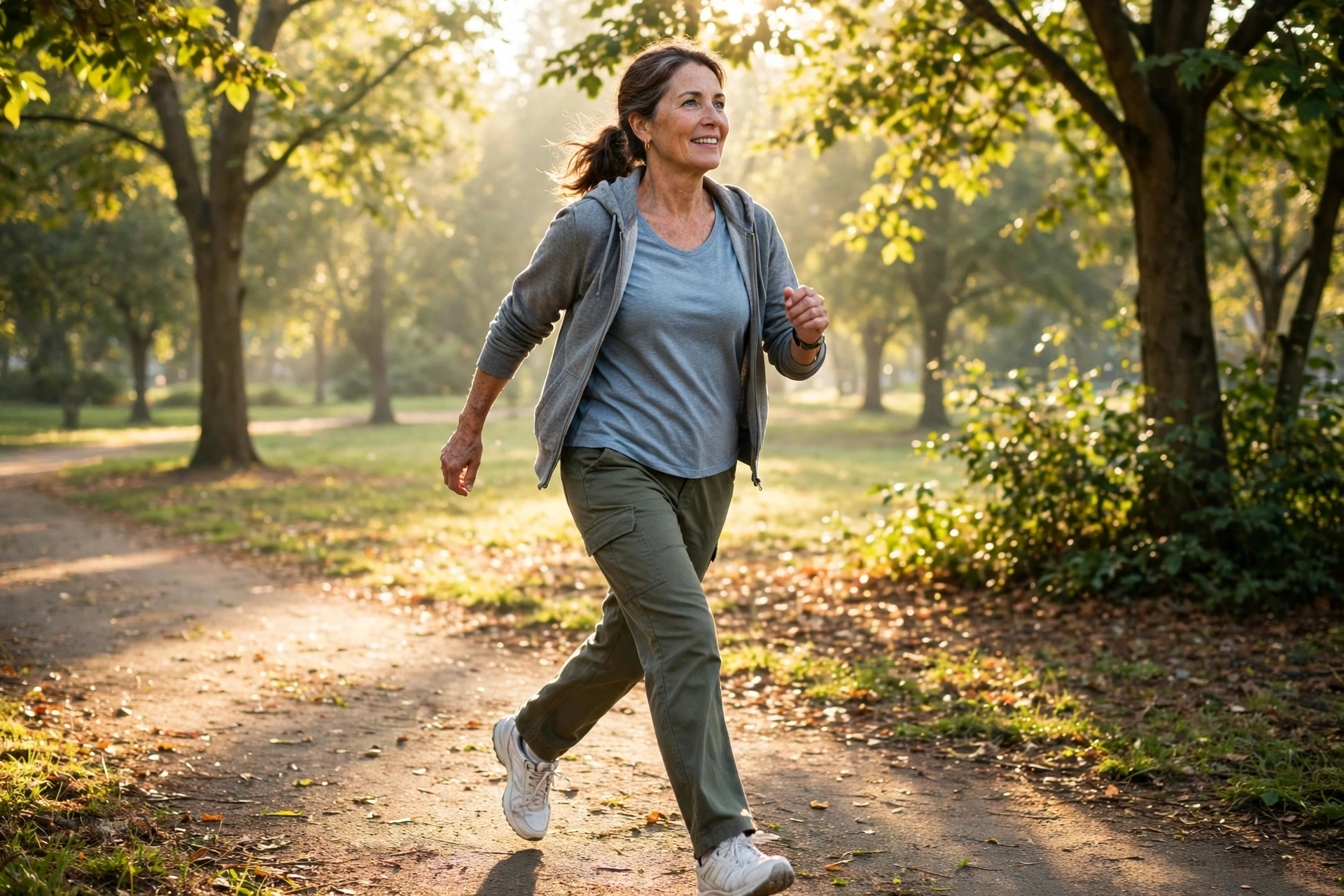
Walking is the single easiest circulation booster there is, and it’s the one most people skip. Here’s why it works so well: your calf muscles act like a second heart. Every step squeezes the veins in your lower legs and pushes blood back up toward your heart. Sit all day, and that pump goes quiet.
You don’t need a 10,000-step target to start. A brisk 10-minute walk after lunch does more for your blood flow than an hour on the couch followed by good intentions. If you work at a desk, try this: stand up and walk around for two or three minutes every hour. Get water, take the long way to the bathroom, pace while you’re on a phone call. It adds up fast.
2. Stretch in the Morning (and Before Bed)
Tight muscles squeeze blood vessels. It’s that simple. When your hamstrings, calves, and hips are stiff, blood has a harder time moving through them — which is one reason your legs feel like wooden posts when you first get out of bed.
Five minutes of gentle stretching in the morning wakes up your circulation for the whole day. Focus on your calves, thighs, and shoulders — the places that tighten up most. A few slow neck rolls, a standing forward fold, and a calf stretch against the wall will do. Before bed, the same routine helps blood flow while you sleep instead of pooling in your legs.
Stretching also pairs beautifully with walking. If you’d like a simple routine to follow, see our article on the benefits of stretching daily.
3. Stay Hydrated — Your Blood Needs Water
Blood is about half water. When you’re even mildly dehydrated, your blood gets thicker and moves more slowly — like a river running low in summer. You don’t have to chug gallons. Just keep a glass or bottle nearby and sip through the day. Staying hydrated is one of the simplest ways to learn how to improve blood circulation naturally.
A practical rule: if your urine is pale yellow, you’re in good shape. Dark yellow means drink up. And if plain water bores you, herbal tea, sparkling water, or water with a squeeze of lemon all count. Coffee and energy drinks don’t count the same way — caffeine in large amounts can actually narrow blood vessels temporarily.
4. Eat Foods That Support Blood Flow
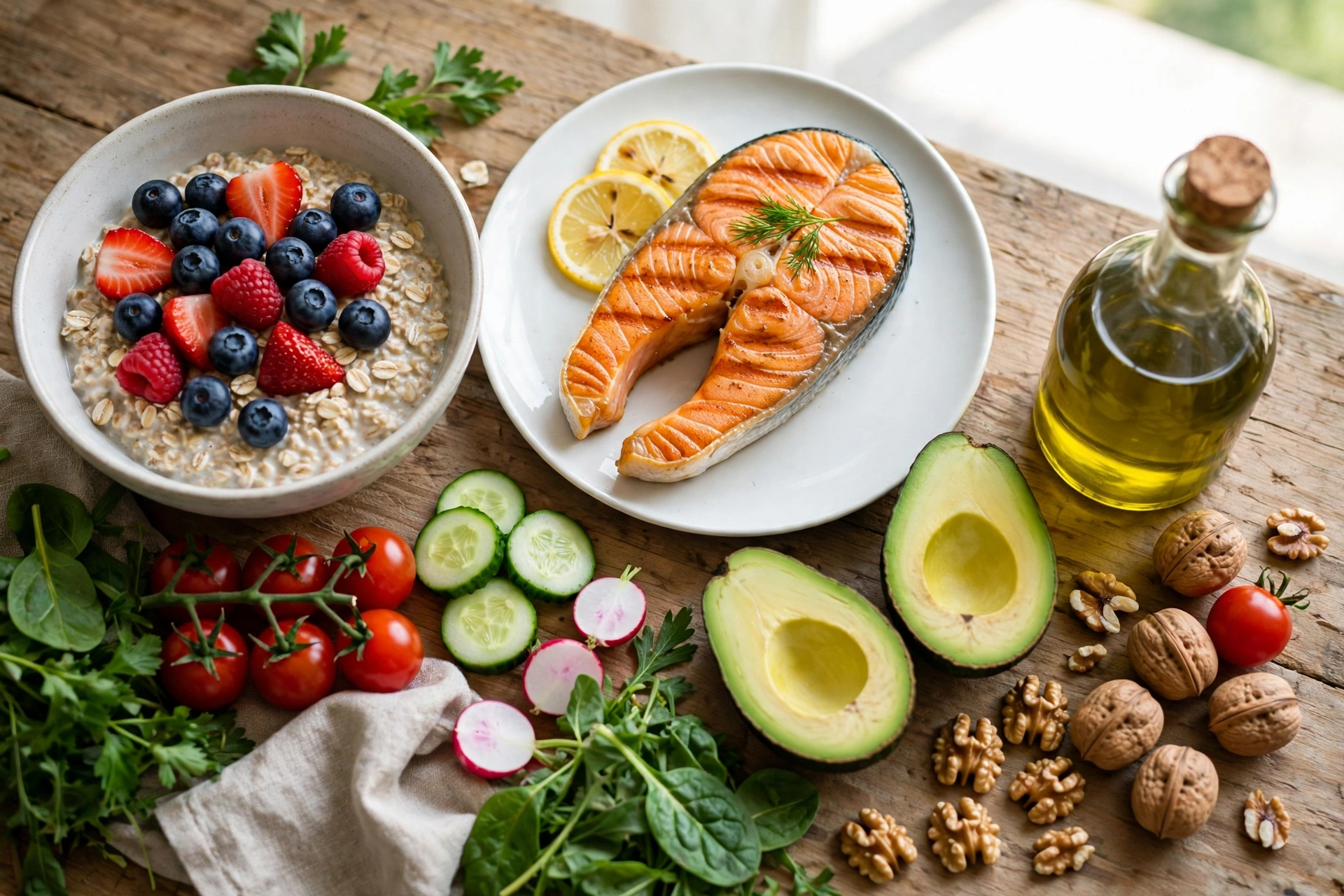
Some foods genuinely help your vessels relax and widen, which lets blood move more freely. You don’t need a special diet — just make room for more of these:
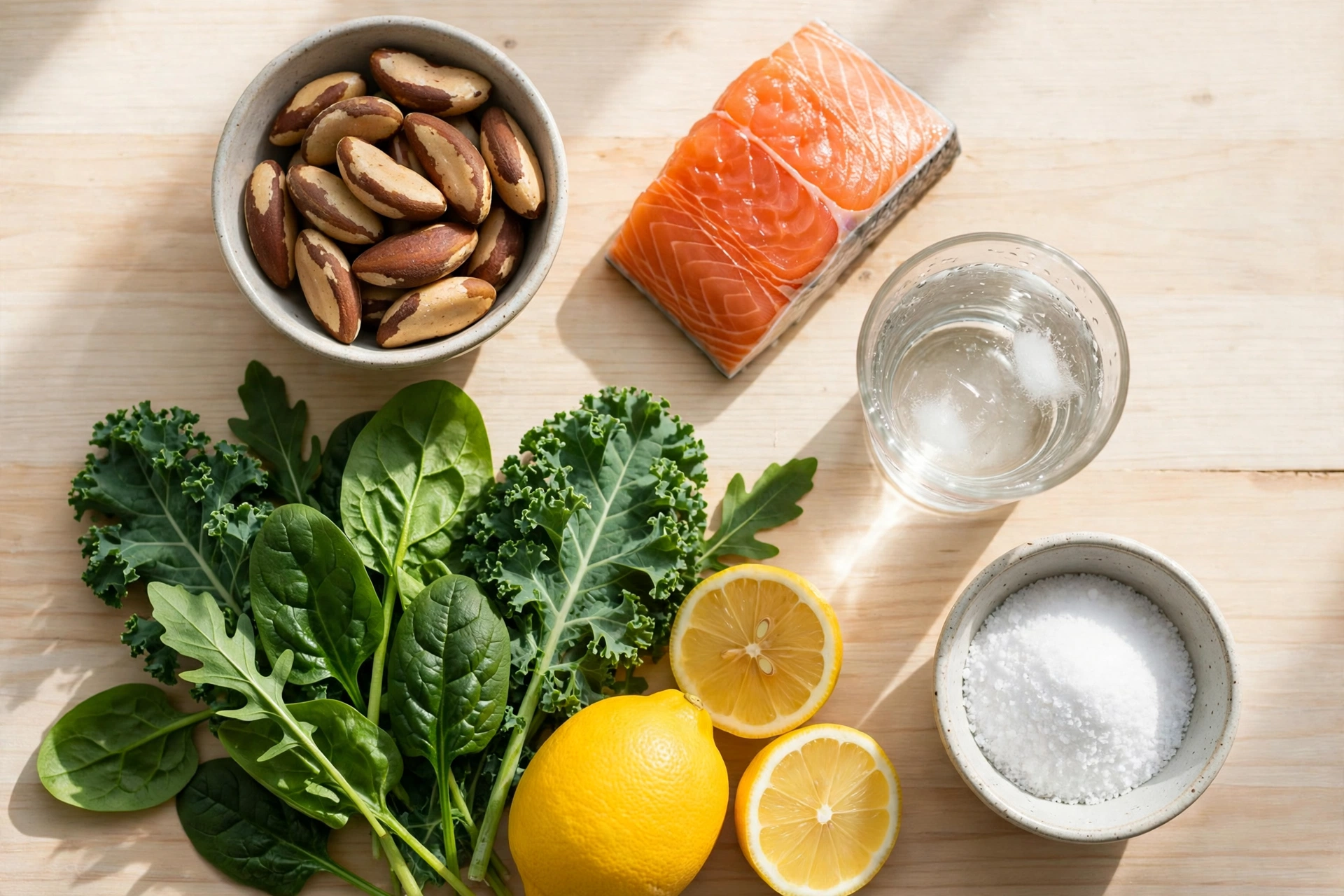
- Beets and leafy greens — rich in nitrates, which your body converts into nitric oxide, a compound that widens blood vessels.
- Fatty fish like salmon and sardines — omega-3 fats help keep blood from getting sticky.
- Berries, citrus, and dark chocolate — full of flavonoids that support vessel health.
- Garlic, ginger, and cayenne pepper — all have mild blood-flow benefits and make food taste better at the same time.
- Walnuts and seeds — a handful a day gives you healthy fats and vitamin E.
On the other side, a diet heavy in processed food, trans fats, and added sugar stiffens artery walls over time. You don’t have to be perfect — swapping one processed snack a day for a piece of fruit is already a step in the right direction. If you’re working on your overall heart health, cutting back on those foods helps your circulation too; our guide on how to improve heart health naturally covers the bigger picture. Choosing these foods regularly is a tasty way to support how to improve blood circulation naturally.
5. Move Your Legs While You Sit
Sitting is the enemy of circulation, and most of us sit a lot. Long hours at a desk, long drives, long flights — all of them let blood pool in your lower legs. You can’t always avoid sitting, but you can keep the blood moving while you do it. These small movements are an easy part of how to improve blood circulation naturally, especially on days when you cannot get out for a walk.
Try ankle circles: lift your feet slightly and rotate each ankle ten times in each direction, once an hour. Or pump your feet up and down, like you’re pressing a gas pedal, for a minute or two. Stand up and do ten calf raises whenever you get a coffee. These tiny movements switch your calf pump back on.
On flights longer than a couple of hours, get up and walk the aisle every hour or so. Compression socks help too — they’re not just for grandparents anymore, and plenty of frequent flyers swear by them.
6. Quit Smoking — or at Least Cut Back
This one isn’t fun to hear, but it’s the most powerful item on this list. Nicotine tightens blood vessels within minutes of a cigarette, and over time smoking damages the vessel walls themselves, making them narrower and stiffer. It’s one of the biggest single causes of poor circulation in otherwise healthy people.
If you smoke, quitting is genuinely the best thing you can do for your blood flow — and the improvement starts within days, not months. If quitting cold turkey feels impossible, cutting back still helps, and there are free quit lines and programs in most US states. Our article on how to quit smoking naturally walks through practical steps that have worked for real people.
7. Keep Your Blood Pressure and Cholesterol in Check
Circulation and heart health are the same story told from two sides. High blood pressure strains vessel walls, and high cholesterol narrows the pipes. Together, they’re the slow squeeze on your circulation.
The good news is that the habits on this list — walking, better food, less salt, less stress — are the same habits that bring blood pressure and cholesterol down. It’s one effort with several payoffs. If you haven’t had your numbers checked in a while, a quick visit to your doctor or even a pharmacy blood-pressure machine gives you a baseline to work from. If your cholesterol runs high, our guide on how to lower cholesterol naturally has practical, food-first steps.
8. Try a Warm Bath or a Contrast Shower
Heat widens blood vessels. That’s why a warm bath feels so relaxing — your vessels open up, blood flows more easily, and your muscles let go. A 15-minute warm soak (not scalding) in the evening can ease that heavy-leg feeling and help you sleep better too. A warm soak is a relaxing addition to any plan for how to improve blood circulation naturally.
If you’re feeling brave, a contrast shower — alternating 30 seconds of warm water with 10 seconds of cool — gives your vessels a gentle workout, opening and closing them in turn. It sounds unpleasant, and honestly, the first few seconds are. But many people find it wakes them up better than coffee.
Skip the hot tub if you have low blood pressure or a heart condition, and check with your doctor first — heat affects everyone a little differently.
9. Get Your Legs Up
At the end of a long day, lying down with your legs raised on a few pillows for 10–15 minutes lets gravity do the work your calves have been doing all day. Blood that’s been pooling in your lower legs flows back toward your heart, and that heavy, swollen feeling fades.
This is especially helpful if you stand all day — nurses, teachers, retail workers, anyone on their feet for hours. It’s also a good wind-down habit before bed. Put your phone down, legs up, and give your circulation a break.
10. Manage Stress — It Tightens More Than Your Shoulders
When you’re stressed, your body releases adrenaline and cortisol. Those hormones do useful things in an emergency — including narrowing blood vessels to redirect blood to your muscles. The problem is that modern stress isn’t a tiger chasing you; it’s email, deadlines, and bills, and it goes on for hours. Your vessels stay tightened far longer than they were designed to.
You don’t need to become a meditation guru. Even five slow, deep breaths — in through your nose for four counts, out through your mouth for six — tells your nervous system to stand down, and your vessels relax with it. A short walk outside works too. So does laughing at something silly. The method matters less than doing something, regularly. Making time for that kind of pause is a small but real part of how to improve blood circulation naturally.
11. Get Enough Sleep
Sleep is when your body repairs blood vessels. During deep sleep, your blood pressure drops, your heart rate slows, and your vessels get a chance to recover from the day. Short-change your sleep night after night, and the repair work doesn’t get done. Good sleep is therefore an underrated part of how to improve blood circulation naturally.
Aim for seven to nine hours. If falling asleep is the hard part, a consistent bedtime helps more than any supplement: same time, same wind-down routine, screens off an hour before bed. Your circulation — and your mood, your memory, and your waistline — will all notice the difference.
12. Consider a Massage — or Self-Massage
Massage does more than feel good. Gentle pressure on muscles pushes blood through tissue that otherwise gets sluggish flow, and it encourages lymphatic drainage too. You don’t need a spa appointment: five minutes of self-massage on your calves and feet with your hands (or a tennis ball under your foot while you sit) gets blood moving in the spots that need it most.
If you have varicose veins, diabetes, or any condition that affects your circulation, check with your doctor before deep massage — but gentle self-massage is safe for most people.
Foods That Help vs. Habits That Hurt
Sometimes the simplest way to see it is side by side:
| Helps your circulation | Slows your circulation down |
|---|---|
| Daily walking and movement | Sitting for hours without a break |
| Water, herbal tea, balanced meals | Sugary drinks and heavy processed food |
| Beets, leafy greens, berries, fatty fish | Trans fats and lots of added salt |
| Stretching and leg elevation | Tight clothing that pinches your legs |
| Good sleep and stress management | Smoking and chronic stress |
| Warm baths and gentle massage | Being constantly dehydrated |
You don’t need to fix everything at once. Pick two or three rows from the left column and start there. Those small swaps are a practical way to put how to improve blood circulation naturally into practice.
Frequently Asked Questions
How long does it take to improve circulation naturally?
Most people notice small changes — warmer hands and feet, less leg heaviness — within two to four weeks of consistent habits like daily walking and better hydration. Deeper changes, like lower blood pressure or cholesterol, usually take two to three months. Consistency matters more than intensity. That timeline is typical when you are learning how to improve blood circulation naturally and sticking with the habits most days.
What is the best exercise for blood circulation?
Walking is the best all-rounder because it’s easy, low-impact, and uses your calf muscles as a pump. Swimming, cycling, and light strength training help too. The best exercise is honestly the one you’ll actually do most days. That is why walking is often the first recommendation for how to improve blood circulation naturally.
Can poor circulation be reversed?
In many cases, yes — especially when it’s caused by inactivity, dehydration, smoking, or a diet low in nutrients. Lifestyle changes can make a real difference. But circulation problems caused by conditions like diabetes, peripheral artery disease, or blood clots need medical treatment, not just home remedies. If your symptoms are severe, sudden, or getting worse, see a doctor.
Are supplements useful for circulation?
Some people find magnesium, omega-3, or beetroot supplements helpful, but food is the better starting point — and supplements can interact with medications, especially blood thinners. Talk to your doctor or pharmacist before adding any supplement.
When should I see a doctor about circulation?
See a doctor promptly if you notice sudden swelling in one leg, skin that turns blue or very pale, a leg that becomes painful and cold, or sores on your feet that won’t heal. Those can be signs of something that needs urgent care.
The Bottom Line
Learning how to improve blood circulation naturally isn’t a project that needs a perfect plan. It’s a handful of ordinary habits, done most days: walk a little, drink some water, stretch in the morning, eat a few more of the right foods, put your feet up at night. None of it is dramatic. All of it adds up.
Start with the easiest one — a ten-minute walk after your next meal. Your heart, your legs, and your energy levels will notice before your calendar does.
Disclaimer: This article is for informational purposes only and is not medical advice. If you have a health condition or concerns, please consult a qualified healthcare professional.