








Most of us never think about our lungs. They just work — quietly pulling in oxygen about 20,000 times a day, no applause requested. We only notice them when something goes wrong: a flight of stairs leaves us winded, or a cold settles in the chest and refuses to leave.
Here’s the good news. Learning how to improve lung health naturally doesn’t require expensive equipment, a gym membership, or a complete life overhaul. Your lungs are remarkably forgiving organs. Give them a little daily support, and they start paying you back — more energy, better sleep, easier workouts, and fewer of those lingering coughs that seem to last for weeks.
This guide covers 12 habits that genuinely help. None of them are magic. All of them are backed by common sense and real research, and most of them cost nothing at all.
Why Your Lungs Deserve More Attention
Your lungs do more than keep you alive — they set the ceiling on how good you feel. When your lungs work well, your blood carries more oxygen to your muscles and your brain. That shows up as clearer thinking in the afternoon, steadier energy through the day, and a workout that doesn’t leave you gasping after five minutes. That is why knowing how to improve lung health naturally matters long before any diagnosis.
The flip side is slow and easy to miss. Lung capacity naturally declines with age, starting as early as your mid-20s. Add in years of city air and a desk job that keeps you hunched over a laptop, and your breathing gets shallower without you ever noticing. You don’t feel sick — you just feel a little less alive than you used to.
The encouraging part is that much of that decline is preventable, and some of it is even reversible. Studies consistently show that people who quit smoking, stay active, and practice breathing exercises can measurably improve their lung function. Your lungs want to heal. You just have to give them the chance.
How to Improve Lung Health Naturally: 12 Habits That Actually Work
You don’t need to do all twelve starting tomorrow. If you have ever searched for how to improve lung health naturally, this list is the practical answer. Pick two or three that feel easy, make them automatic, and then add another. Small, steady changes beat dramatic resolutions that last a week.
1. Quit Smoking — and Dodge Secondhand Smoke Too
Let’s start with the obvious one, because it matters more than the other eleven combined. Smoking is the single biggest cause of preventable lung damage. Every cigarette injures the tiny air sacs in your lungs and paralyzes the cilia — the little hair-like sweepers that clear mucus and germs out of your airways.
The remarkable thing is how quickly your lungs start to recover. Within weeks of quitting, those cilia begin working again. Within months, coughing and shortness of breath often improve noticeably. It’s genuinely never too late — even people who smoked for decades see measurable gains after quitting.
If quitting feels impossible on your own, that’s normal. Most successful quitters tried several times before it stuck. If you need a practical plan, our guide on how to quit smoking naturally walks through strategies that actually help, from cutting down gradually to handling the cravings that hit hardest in the first two weeks.
And don’t forget secondhand smoke. If someone in your home smokes, ask them to take it outside. Your lungs don’t care whether the smoke came from your cigarette or someone else’s.
2. Practice Diaphragmatic Breathing
Most of us breathe with our chests — short, shallow breaths that only use the top third of our lungs. Diaphragmatic breathing, or “belly breathing,” flips that pattern. You breathe deeply into your belly, which lets your lungs fill completely and strengthens the diaphragm, the main muscle of breathing.
Try it now: sit up straight, put one hand on your chest and one on your belly. Breathe in slowly through your nose for four counts, feeling your belly rise while your chest stays fairly still. Then breathe out slowly through your mouth for six counts. Do that for five minutes. You will probably feel calmer — and a little surprised at how rarely you breathe this way normally.
Do this once or twice a day and it becomes automatic. Over weeks, it trains your body to take fuller breaths without thinking about it. For a step-by-step routine, see our 5 simple breathing exercises to calm stress in minutes — they work for your lungs and your stress levels at the same time.
3. Try Pursed-Lip Breathing
This one looks almost too simple to work, which is probably why people skip it. Breathe in through your nose for two counts, then breathe out through pursed lips — like you’re blowing out a candle — for four counts.
That slow exhale keeps your airways open longer and pushes out stale air that gets trapped in the lungs, especially during exercise or when you’re feeling breathless. It’s a technique respiratory therapists teach people with COPD, but it helps healthy lungs too, particularly when you’re climbing stairs, carrying groceries, or pushing through the last stretch of a walk.
4. Move Your Body Every Day
Exercise is the single best workout your lungs can get. When you move, your breathing rate increases, your lungs expand more fully, and the muscles around your ribcage get stronger. Over time, your body also gets better at using oxygen, so everyday activities feel easier.
You don’t need to run a marathon. Brisk walking, cycling, swimming, and dancing all count. Swimming is especially good for lungs because the water pressure gently resists your breathing, giving your respiratory muscles a workout. Aim for about 30 minutes of moderate movement most days — and if that sounds like a lot, start with ten.
One warning: if you exercise outdoors in a city, check the air quality first. On high-pollution days, move your workout indoors or go early in the morning when the air is cleaner.
5. Clean Up the Air Inside Your Home
We spend roughly 90% of our lives indoors, yet indoor air can be two to five times more polluted than the air outside. Cleaning sprays, scented candles, new furniture, and poor ventilation all add up.
Open your windows for a few minutes every day, even in winter — fresh air exchange matters more than most people realize. Switch to fragrance-free cleaning products where you can, and skip the air fresheners; they mostly replace one smell with a cocktail of chemicals. If you live somewhere with heavy traffic or wildfire smoke, a HEPA air purifier in the bedroom is worth considering.
6. Eat Foods That Support Your Lungs
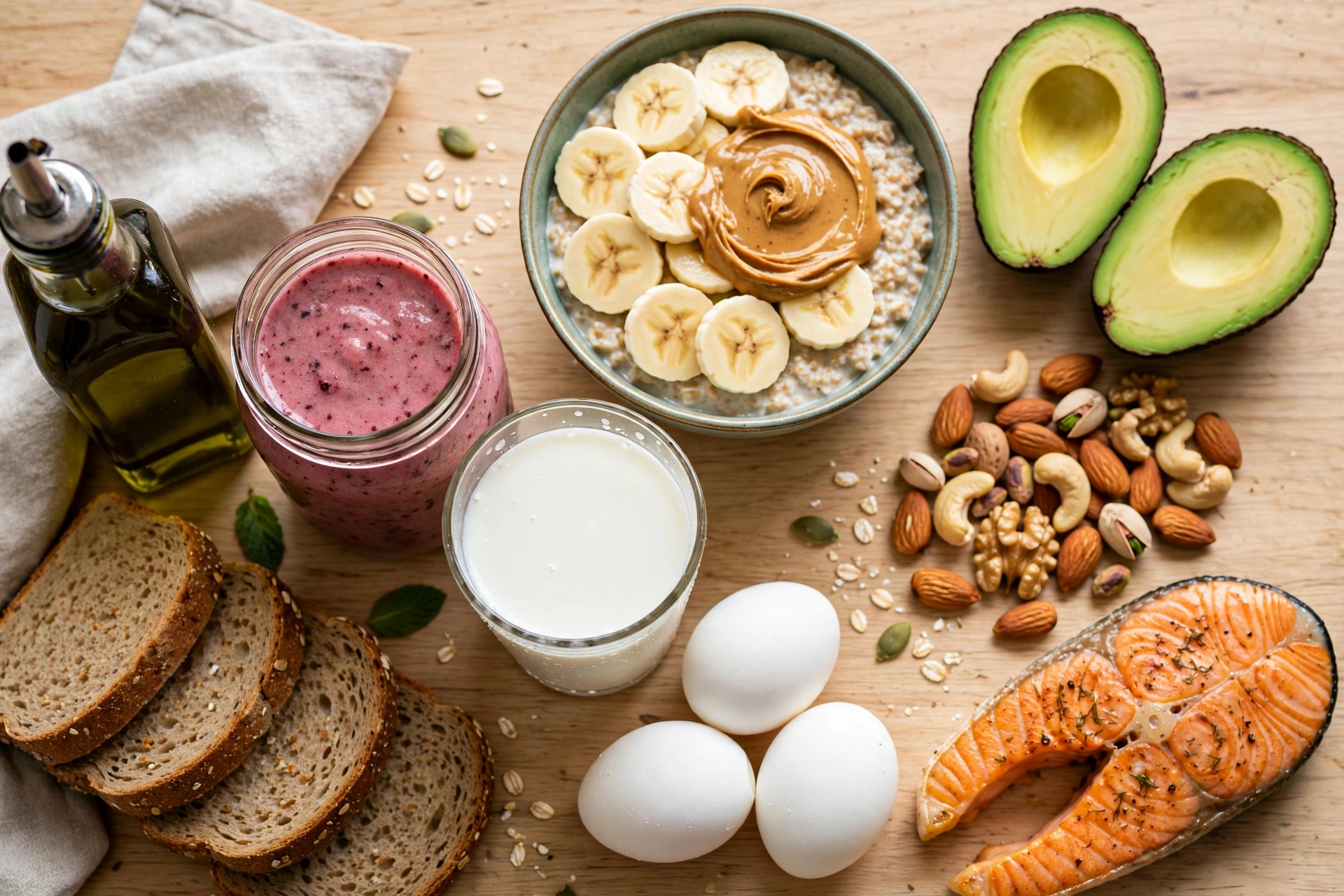
Food won’t fix your lungs overnight, but a steady diet rich in antioxidants helps protect lung tissue from damage. The research here is genuinely encouraging: people who eat more fruits, vegetables, and omega-3-rich foods tend to have better lung function. Diet is one of the most overlooked parts of how to improve lung health naturally.
| Foods that help your lungs | What to go easy on |
|---|---|
| Leafy greens like spinach and kale — rich in antioxidants | Processed meats, which are linked to worse lung function |
| Berries, apples, and tomatoes — vitamin C and flavonoids | Fried foods and excess salt, which can worsen fluid retention |
| Fatty fish like salmon and sardines — omega-3s that fight inflammation | Sugary drinks, which are tied to higher inflammation |
| Garlic, ginger, and turmeric — natural anti-inflammatory compounds | Alcohol in excess, which can irritate airways |
| Green tea — contains compounds linked to slower lung decline | Heavily processed snacks with long ingredient lists |
You don’t need a perfect diet. Just tilt the balance: add a serving of berries to your breakfast, swap one processed snack for a handful of nuts, and put an extra vegetable on your plate at dinner. Your lungs will notice the difference over months, not days — but they will notice it.
7. Stay Hydrated
Mucus gets a bad reputation, but it’s actually your lungs’ cleaning system — it traps dust, germs, and pollutants so they can be swept out. The problem is that thick, dry mucus doesn’t move well. Staying hydrated keeps that mucus thin and mobile, so your lungs can clear themselves properly.
Most adults do well with around 6 to 8 glasses of water a day, more if you exercise or live somewhere hot. Herbal tea counts. So does water-rich food like cucumbers, oranges, and watermelon. If your throat feels dry or you’re coughing up thick mucus, a glass of water is often the simplest first step.
8. Keep Your Weight in a Healthy Range
Extra weight around the belly pushes up against the diaphragm, making it harder for your lungs to expand fully. People carrying significant extra weight often have measurably lower lung capacity — not because their lungs are damaged, but because there’s literally less room for them to work.
9. Laugh More — Seriously
This sounds like filler advice, but it’s real physiology. Laughing forces a big exhale, empties stale air from your lungs, and then triggers a deep inhale. It exercises your diaphragm and abdominal muscles and clears mucus.
So yes: watch something funny, spend time with people who make you laugh, and don’t feel guilty about it. It’s not a replacement for exercise, but it is a genuinely useful little lung workout hiding inside something you already enjoy.
10. Protect Your Sleep
Poor sleep and poor lung health feed each other. When you don’t sleep enough, your immune system weakens, making respiratory infections more likely. And when your lungs aren’t working well — snoring, sleep apnea, nighttime coughing — your sleep gets fragmented, which makes everything worse.
Aim for 7 to 9 hours, keep your bedroom cool and dark, and take snoring seriously if your partner mentions it. Loud, regular snoring with pauses in breathing can be a sign of sleep apnea, which is worth discussing with a doctor. If falling asleep is the hard part, our guide on how to fall asleep fast has practical techniques that work without medication.
11. Guard Against Respiratory Infections
Every cold or flu that settles in your chest causes a little inflammation, and repeated infections add up over the years. Simple habits make a real difference: wash your hands often, avoid touching your face in public, and keep your distance from people who are visibly sick when you can.
Stay up to date on flu and pneumonia vaccines if your doctor recommends them — especially if you’re over 65 or have asthma or another lung condition. And when you do catch something, rest properly. Pushing through a chest infection with heavy exercise or long days can turn a one-week cold into a month-long cough.
12. Get Outside for Real Fresh Air
There’s a reason a walk in the woods feels different from a walk down a busy street. Trees release compounds called phytoncides, and forest air tends to be cleaner and more humid than city air — easier on the airways. You don’t need a forest, though. A park, a riverside path, or even a quiet residential street with trees beats a traffic-heavy road.
When to See a Doctor
Natural habits help a lot, but they’re not a substitute for medical care. See a doctor promptly if you notice a cough that lasts more than three weeks, shortness of breath during everyday activities, wheezing, chest pain, or coughing up blood. These symptoms always deserve a proper check — early attention makes a real difference with lung conditions. The American Lung Association also has free, plain-language guides on lung conditions and breathing tests.
Frequently Asked Questions
Can lung function improve after quitting smoking?
Yes. Your lungs begin to repair themselves within weeks of quitting. Coughing and breathlessness often improve within a few months, and the risk of lung disease keeps dropping the longer you stay smoke-free.
How long does it take to improve lung health naturally?
When people ask how to improve lung health naturally, they usually want a timeline — and the honest answer is that it depends on the habit. Some changes, like easier breathing from daily breathing exercises, can show up in a few weeks. Bigger improvements — better exercise tolerance, fewer infections — typically build over two to three months of consistent habits.
Are breathing exercises really effective?
Yes, and they’re one of the most studied tools in respiratory care. Diaphragmatic and pursed-lip breathing improve lung capacity, reduce breathlessness, and help people with asthma and COPD manage their symptoms better.
Does diet actually affect your lungs?
It does. Diets rich in fruits, vegetables, and omega-3 fats are consistently linked to better lung function in large population studies, while heavily processed diets are linked to worse outcomes.
The Bottom Line
Your lungs work for you around the clock without asking for anything in return. A few minutes of breathing exercises, a daily walk, cleaner air at home, and a few smarter food choices — that’s what learning how to improve lung health naturally really comes down to. You don’t have to be perfect. You just have to start, and keep going long enough for the changes to add up.
Pick one habit from this list today. That is how to improve lung health naturally in real life — one small habit at a time. Tomorrow, add another. A few months from now, you may find yourself climbing those stairs without thinking about your breathing at all — and that, quietly, is the whole point.
Disclaimer: This article is for informational purposes only and is not medical advice. If you have a health condition or concerns, please consult a qualified healthcare professional.