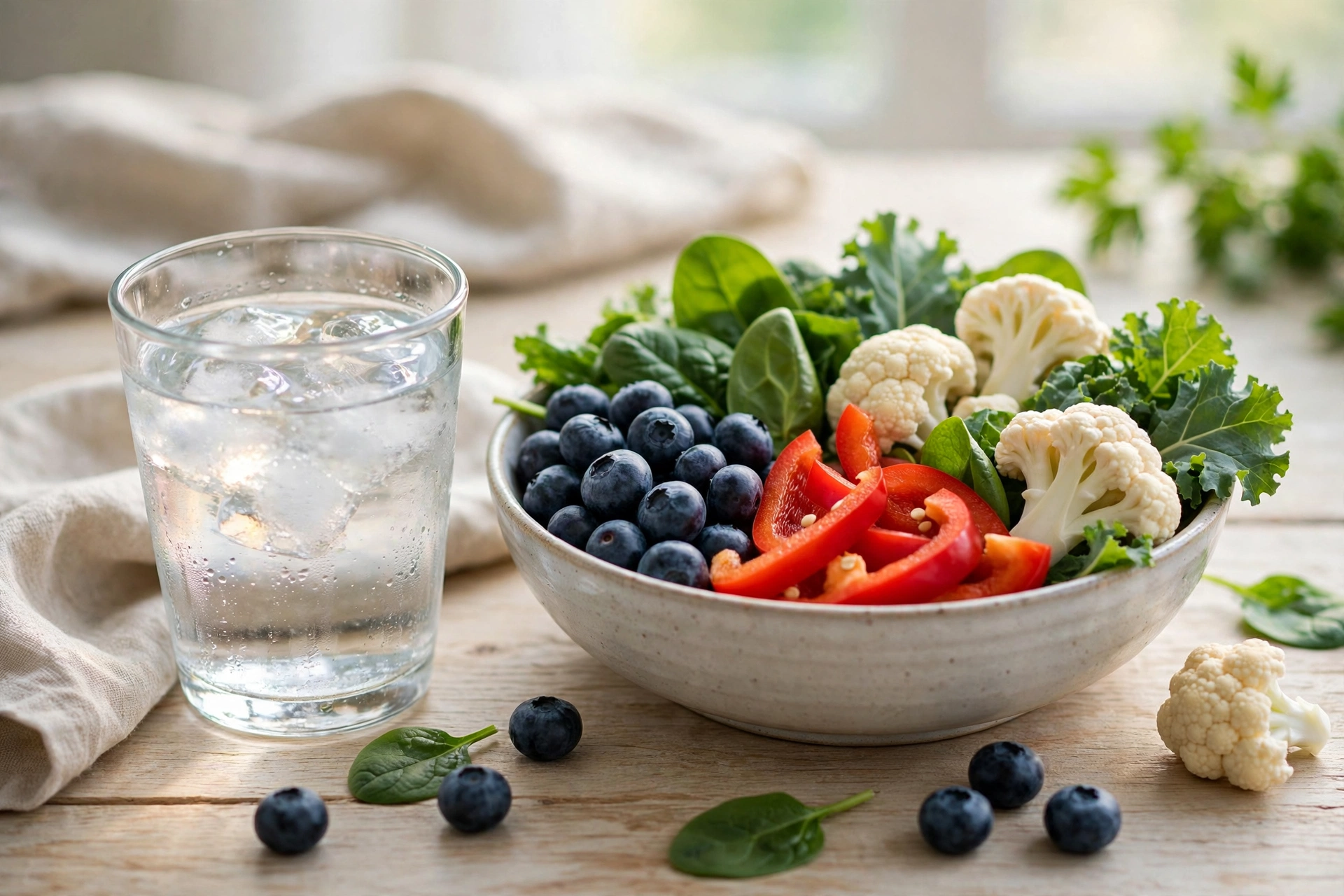










If you have ever woken up with a big toe that feels like it is on fire, you already know what high uric acid can do. That sudden, throbbing joint pain is often gout, and gout is what happens when uric acid builds up in the blood and forms sharp little crystals in the joints. The good news is that for most people, learning how to lower uric acid naturally is very doable — no exotic supplements, no crash diets, just a set of food and lifestyle changes that actually fit into a normal week.
Uric acid is not a villain by itself. Your body makes it every day when it breaks down purines, which are natural compounds found in your own cells and in many foods. The kidneys usually flush the excess out in urine. Problems start when you make too much of it, or your kidneys cannot clear it fast enough. When levels stay high for months, crystals form, and that is when the pain, swelling and stiffness show up — most often in the big toe, but also in the ankles, knees and fingers.
A blood test is the only way to know your exact number, but if your doctor has told you your uric acid is high, or you have already had a gout flare, the twelve steps below are where to start. They are simple, they work together, and you do not need to do all of them on day one.
How to Lower Uric Acid Naturally: The 12 Remedies
The remedies below are grouped into food changes, drink changes, and daily habits. Start with the two or three that feel easiest, and build from there. Below, each remedy explains how to lower uric acid naturally in a practical, step-by-step way.
What Raises Uric Acid in the First Place?
Before fixing anything, it helps to know what is pushing your levels up. The biggest drivers are surprisingly ordinary.
First, food. Red meat, organ meats like liver, shellfish, sardines and anchovies are all rich in purines. So are beer and sugary drinks — and sugary drinks are worse than most people realise, because fructose pushes the body to produce more uric acid while also slowing down how fast the kidneys remove it.
Second, weight. Carrying extra weight makes the body produce more uric acid and makes the kidneys less efficient at clearing it. This is not about looking a certain way. Even losing five to ten percent of body weight can bring levels down noticeably.
Third, dehydration. When you do not drink enough water, the kidneys cannot flush uric acid properly, and levels creep up. It is one of the simplest causes — and one of the easiest to fix.
Finally, some medicines, like certain diuretics (“water pills”) for blood pressure, can raise uric acid as a side effect. Never stop a prescribed medicine on your own, but do mention your uric acid level to the doctor who prescribed it.
1. Drink More Water — It Is the Easiest Win
If you change only one thing today, make it this one. Water helps your kidneys filter uric acid out of the blood and into the urine. When you are even mildly dehydrated, that process slows down and uric acid accumulates.
Aim for around eight glasses a day, and more if you exercise, sweat a lot, or live somewhere hot. A practical trick: keep a bottle on your desk and finish it twice before lunch. You will know you are drinking enough when your urine is pale yellow most of the day.
If plain water bores you, add lemon slices or cucumber. It counts, and it keeps the habit going. For a fuller look at how much water your body actually needs, see our practical hydration guide — how much water you should really drink.
2. Cut Back on Sugary Drinks and Fructose
Soda, sweetened iced tea, energy drinks and even “healthy” fruit juices are loaded with fructose, and fructose is one of the strongest dietary triggers for high uric acid. When your liver processes fructose, it produces uric acid as a by-product — and at the same time, fructose blocks the kidneys from clearing it.
This is not a small effect. Studies have repeatedly linked regular sugary-drink consumption with higher uric acid and a higher risk of gout. The fix is straightforward: swap soda for water, sparkling water, or unsweetened green tea. If you crave something sweet, eat a piece of whole fruit instead of drinking juice — the fibre in whole fruit slows fructose down, so the effect is much gentler. Cutting these drinks out is a quick win when learning how to lower uric acid naturally.
3. Limit Red Meat, Organ Meats and Certain Seafood
You do not need to give up meat entirely. But if you eat steak, lamb or pork most days, cutting back is one of the fastest ways to learn how to lower uric acid naturally.
The foods highest in purines are organ meats (liver, kidney, sweetbreads), game meats, sardines, anchovies, mussels, scallops and trout. Red meat sits in the middle. Chicken and turkey are lower, and most people can eat them in normal portions without trouble.
Try this instead of a strict ban: keep meat portions to about the size of your palm, eat red meat two or three times a week rather than daily, and fill the rest of the plate with vegetables and whole grains. Many people find their levels drop within a few weeks of this one change.
4. Eat More Cherries
Cherries are the closest thing to a folk remedy that science actually backs up. They contain anthocyanins, the compounds that give them their deep red colour, and research has linked regular cherry intake with lower uric acid levels and fewer gout flare-ups.
Fresh cherries are best when they are in season, but frozen cherries work just as well — they are picked ripe and flash-frozen, so the nutrients stay intact. A small bowl a day, or a glass of unsweetened tart cherry juice, is a reasonable target, and a tasty part of how to lower uric acid naturally. If you cannot find cherries, berries like strawberries and blueberries offer some of the same benefits.
5. Fill Your Plate with Low-Purine Foods
Most vegetables, fruits and whole grains are naturally low in purines, so they are safe territory. This is where the “eat more of the good stuff” approach really pays off — a helpful starting point when learning how to lower uric acid naturally.
Good daily choices include leafy greens, broccoli, cauliflower, carrots, cucumbers, tomatoes, apples, bananas, oranges and whole grains like oats, brown rice and whole wheat bread. Low-fat dairy is especially useful — milk, yoghurt and cheese have been linked to lower uric acid, possibly because dairy proteins help the kidneys excrete it.
A simple plate rule: half vegetables, a quarter whole grains, a quarter protein — and let that protein be beans, lentils, eggs or low-fat dairy more often than meat. Lentils and beans do contain some purines, but plant purines behave differently in the body and have not been linked to gout the way animal purines have.
6. Add Vitamin C-Rich Foods
Vitamin C helps the kidneys remove uric acid more efficiently. You do not need mega-dose supplements — food sources work well, and they come with fibre and other nutrients too. It is a simple, food-first part of how to lower uric acid naturally.
Citrus fruits are the obvious pick: oranges, grapefruits and lemons. Bell peppers are actually even richer in vitamin C than oranges, and strawberries, kiwi and broccoli are strong sources as well. A squeeze of lemon in your morning water is a small habit that adds up, and a colourful salad at lunch does more for your levels than most people expect.
If your doctor suggests a vitamin C supplement, follow their dose — very high doses can upset the stomach and are not necessary for most people.
7. Keep Alcohol in Check — Especially Beer
Beer is the worst alcohol for uric acid because it combines two problems: it is rich in purines from the brewer’s yeast, and alcohol itself slows the kidneys’ ability to clear uric acid. Spirits are less purine-heavy but still raise levels by dehydrating you and slowing excretion. Wine is the least problematic of the three, in modest amounts.
If you have gout or high uric acid, the safest option is to avoid alcohol during a flare-up entirely, and keep it to occasional, small amounts the rest of the time. Many people notice fewer flare-ups within a month of cutting beer out — it is one of the most reliable changes you can make. That makes cutting back beer a reliable step in how to lower uric acid naturally.
8. Lose Weight Gradually, Not Drastically
Extra weight raises uric acid, and losing it lowers it. But the way you lose it matters a lot. Crash diets and fasting can actually trigger a gout attack, because rapid weight loss releases purines from breaking-down tissue and produces ketones that compete with uric acid for excretion.
Aim for slow, steady loss — about half a kilo a week — through smaller portions, more vegetables, and daily movement rather than extreme restriction. If you have a lot to lose, even a five percent drop is a meaningful win for your joints and your blood work. Slow progress is the sustainable way to learn how to lower uric acid naturally. If you want a broader plan for sustainable change, our guide to lowering cholesterol naturally covers many of the same heart-friendly eating habits that help here too.
9. Move Your Body Every Day
Exercise helps in two ways: it supports weight loss, and it improves how well your kidneys and metabolism work. You do not need a gym membership or an intense routine. A brisk 30-minute walk, cycling, swimming or light strength training most days of the week is enough — and a practical part of how to lower uric acid naturally.
One warning: avoid sudden, very intense workouts if you are in the middle of a flare-up, and stay well hydrated during exercise. Dehydration plus hard exercise is a bad combination for uric acid. Gentle movement — stretching, walking, easy swimming — is the right call on sore days.
10. Try Coffee — In Moderation
Here is a pleasant surprise: moderate coffee drinking has been associated with lower uric acid levels in several large studies. The effect is modest, but for people who already enjoy coffee, it is good news.
One to two cups a day is the sweet spot. Do not load it with sugar — that cancels the benefit — and do not start drinking coffee just for this reason if you do not like it. Green tea is another good option, since it is hydrating and rich in antioxidants without the caffeine hit.
11. Reduce Inflammation with Your Diet
Gout is an inflammatory condition at its core. The crystals trigger inflammation, and the pain you feel is your immune system reacting. So anything that calms overall inflammation helps, even if it does not directly change your uric acid number.
That means more omega-3 fats from fatty fish like salmon (in modest portions), walnuts and flaxseed, more colourful vegetables, and fewer ultra-processed foods, fried foods and refined sugars. Turmeric, ginger and garlic are easy additions to everyday cooking that have mild anti-inflammatory effects. These small swaps are an easy part of how to lower uric acid naturally. Our article on reducing inflammation naturally goes deeper into the foods and habits that calm inflammation across the whole body.
12. Get Your Levels Checked and Stay Consistent
Natural remedies work, but they work over weeks and months — not overnight. Get your uric acid tested, make the changes, and re-test after two to three months to see what moved. That feedback loop is what turns a good intention into a habit that sticks.
If your levels stay high despite your best efforts, or you keep getting flare-ups, talk to your doctor. Some people need medication alongside lifestyle changes, and that is not a failure — it is just how their body handles purines. The lifestyle steps still matter, because they make the medication work better and protect your joints and kidneys in the long run.
Foods to Eat vs. Foods to Limit
| Foods to eat more of | Foods to limit |
|---|---|
| Water, lemon water, green tea | Sugary sodas, fruit juice, energy drinks |
| Cherries, berries, citrus fruits | Beer and heavy alcohol |
| Leafy greens, broccoli, carrots | Red meat, organ meats, sardines, anchovies |
| Low-fat milk, yoghurt, cheese | Processed meats, fried foods |
| Whole grains, oats, brown rice | Refined sugar and white bread |
| Beans, lentils, eggs | Large portions of shellfish |
| Coffee (1–2 cups), walnuts, flaxseed | Crash diets and fasting |
Frequently Asked Questions
How long does it take to lower uric acid naturally?
Most people see a measurable drop within four to eight weeks of consistent diet and lifestyle changes. That is the honest answer to how to lower uric acid naturally: it is not one magic food, but a few weeks of steady habits. Bigger changes — like cutting out sugary drinks and beer, or losing weight — can show results faster. Re-test after two to three months to confirm.
Can drinking water really lower uric acid?
Yes. Water helps your kidneys flush uric acid out in urine. Staying well hydrated is one of the simplest and most reliable ways to keep levels down, and dehydration is a common trigger for gout flare-ups. It is one of the simplest answers to how to lower uric acid naturally.
Is coffee good or bad for uric acid?
Moderate coffee drinking (one to two cups a day) has been linked to lower uric acid levels. Just skip the sugar and syrups, and do not use coffee as a replacement for water.
Can I eat chicken if I have high uric acid?
Yes, in normal portions. Chicken and turkey are lower in purines than red meat and organ meats, and most people with high uric acid can eat them regularly without problems.
Do I still need medicine if I change my diet?
Sometimes, yes. Diet and lifestyle can lower uric acid a lot, but some people still need medication to reach a safe level, especially if they have frequent gout attacks. Keep following the lifestyle steps either way — they make everything else work better.
The Bottom Line
Learning how to lower uric acid naturally is less about one magic food and more about a pattern: drink enough water, cut the sugary drinks and beer, ease off red meat and organ meats, eat more cherries, vegetables and low-fat dairy, and move your body every day. Pick two or three changes to start with this week — the water and the sugary drinks are the easiest — and add the rest gradually. Your joints will notice the difference before your next blood test does, and that is a good reason to keep going.
Disclaimer: This article is for informational purposes only and is not medical advice. If you have a health condition or concerns, please consult a qualified healthcare professional.