








If you have ever brushed black clothing off your shoulders before a meeting, you know dandruff is more than a minor annoyance. Those white flakes show up at the worst moments — on a dark shirt, in a photo, during a job interview — and the itching can drive you quietly mad. The good news is that learning how to get rid of dandruff naturally is simpler than most people think. For most mild to moderate cases, a few consistent habits and kitchen-cupboard remedies can calm your scalp within a few weeks. No expensive salon treatments, no complicated routines — just things that actually work, used the right way.
Before we get to the remedies, it helps to know what you are dealing with. Dandruff is not usually a sign of poor hygiene, and it is not contagious. It happens when the skin on your scalp sheds faster than normal. The main culprit is a yeast called Malassezia, which lives on everyone’s scalp. For some people, it grows a little too fast, irritates the skin, and speeds up shedding. Dry winter air, oily skin, stress, and harsh hair products can all make it worse. That is why the remedies below work on different angles: some calm the yeast, some soothe the itch, and some simply keep your scalp balanced.
How to Get Rid of Dandruff Naturally: 12 Remedies That Actually Work
Here are the remedies that people actually stick with — because they are cheap, simple, and easy to repeat. Try one or two at a time rather than all twelve at once. That way you will know what is helping.
1. Tea Tree Oil
Tea tree oil is probably the best-studied natural option for dandruff. It has antifungal properties that help keep Malassezia in check, and in one well-known study, a 5% tea tree shampoo reduced dandruff severity by about 40% over four weeks.
The catch: never put undiluted tea tree oil directly on your scalp. It is strong stuff and can irritate sensitive skin. Add 5–10 drops to a palmful of your regular shampoo, massage it in, and leave it for two or three minutes before rinsing. If your scalp feels tingly, that is normal. If it burns, rinse it out and dilute it more next time. If you would rather skip the mixing, many drugstore dandruff shampoos already contain tea tree oil.
2. Apple Cider Vinegar Rinse
Apple cider vinegar is acidic, and that acidity is the point. A healthy scalp is slightly acidic, and an ACV rinse helps restore that balance while loosening flakes. Mix one part apple cider vinegar with two parts water, pour it slowly over your scalp after shampooing, and leave it for three to five minutes before rinsing. The vinegar smell fades as your hair dries — honestly, nobody will notice after ten minutes. Use it once or twice a week. Skip this one if you have open scratches or sores on your scalp, because it will sting.
3. Coconut Oil Massage
Coconut oil does two useful things at once: it moisturises a dry scalp and it has mild antifungal properties. Warm a tablespoon or two in your hands until it melts, massage it into your scalp with your fingertips (not your nails) for five minutes, and leave it on for at least 30 minutes — or overnight if you can stand the mess. Then shampoo it out thoroughly. You may need to shampoo twice. This one is especially helpful if your dandruff is worse in winter, when cold air dries your scalp out. People with very oily scalps should use it sparingly, once a week at most, since too much oil can feed the yeast.
4. Aloe Vera Gel
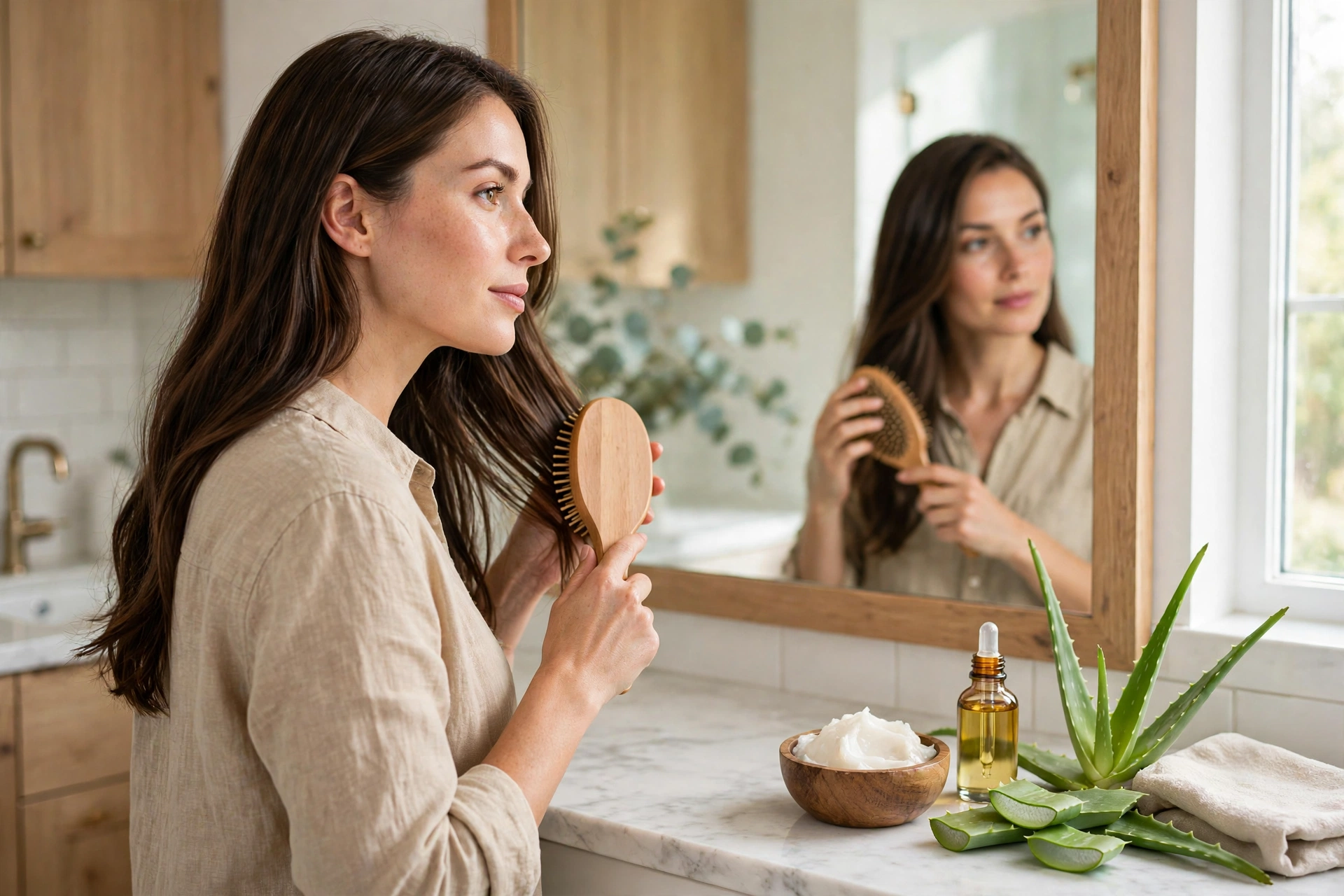
If your scalp itches and feels irritated, aloe vera is the gentle option. It cools, soothes, and has mild antifungal and antibacterial properties. Scoop fresh gel from an aloe leaf, or use a pure store-bought gel with no added fragrance. Massage it into your scalp, leave it for 20–30 minutes, then wash your hair as usual. Aloe is one of the safest remedies on this list — it rarely irritates anyone — which makes it a good first choice if your scalp is sensitive or you have tried stronger remedies and they stung.
5. Baking Soda Exfoliation
Baking soda is a mild exfoliant. It helps lift flakes off the scalp and may reduce the yeast that causes dandruff. Wet your hair, rub a tablespoon of baking soda directly onto your scalp, leave it for a minute or two, and rinse well. No shampoo needed for that wash. But be careful: baking soda is alkaline and can dry your hair out if you overdo it. Once a week is enough, and if your hair starts feeling straw-like, stop. This is not a remedy for daily use.
6. Lemon Juice
Lemon juice is another old-school remedy, and it works on the same principle as the vinegar rinse — acidity plus a little exfoliation. Squeeze a fresh lemon, massage the juice into your scalp, and leave it for five minutes before rinsing and shampooing. Some people mix it with a spoonful of coconut oil to soften the effect. One warning: lemon juice can lighten hair in sunlight, so rinse it out fully and do not sit in the sun with it on your scalp. Like vinegar, it will sting on broken skin.
7. Yogurt Hair Mask
Plain, unsweetened yogurt contains live cultures that may help rebalance the microbes on your scalp, and its creamy texture makes a soothing mask. Apply a cup of plain yogurt to your scalp and hair, leave it for 20–30 minutes, then rinse and shampoo. It is messy, it is old-fashioned, and it genuinely helps some people — especially those whose dandruff comes with a dry, tight-feeling scalp. Use plain yogurt only; flavoured or sweetened yogurt has no place on your head.
8. Neem Leaves
Neem has been used for scalp problems in South Asia for centuries, and modern research backs up its antifungal and antibacterial properties. Boil a handful of neem leaves in water for 15 minutes, let the water cool, and use it as a final rinse after shampooing. Or grind soaked leaves into a paste, apply it to your scalp for 30 minutes, and wash it out. Neem is bitter and smells earthy — not everyone’s favourite — but it is one of the most effective traditional remedies on this list.
9. Fenugreek Seeds (Methi)
Fenugreek is another traditional remedy with real antifungal compounds. Soak two tablespoons of fenugreek seeds overnight, grind them into a smooth paste in the morning, and apply it to your scalp. Leave it for 30–45 minutes, then wash it out. It smells a bit like maple syrup, which is oddly pleasant. Do this once or twice a week. The paste can be gritty, so rinse thoroughly — you do not want seeds in your hair at work.
10. Onion Juice
This one smells terrible and works surprisingly well, which is why people keep recommending it despite the smell. Onion juice contains sulfur compounds with antifungal properties. Blend an onion, strain the juice, apply it to your scalp, and leave it for 20–30 minutes before shampooing twice. The smell mostly washes out, especially if you finish with a lemon rinse. Try it on a weekend first, not the morning of an important meeting.
11. Change How You Shampoo
Sometimes the remedy is not something you add — it is something you stop doing wrong.
Many people with dandruff either shampoo too rarely, letting oil and dead skin build up, or shampoo too aggressively with harsh products. Try this instead: wash your hair two to three times a week with a gentle shampoo, massage with your fingertips rather than scratching with nails, and rinse thoroughly. Product residue left on the scalp is a common dandruff trigger that nobody talks about. Also, give your scalp a rest from heavy styling products — gels, sprays, and dry shampoo — for a couple of weeks and see if the flakes ease off. If your hair is very oily, you may need to shampoo more often, and that is fine. The rule is simple: clean scalp, gentle handling.
12. Manage Stress and Eat for Your Scalp
Stress does not cause dandruff directly, but it makes almost every skin condition worse, and dandruff is no exception. When you are stressed, your body produces more oil, your immune response shifts, and flare-ups follow.
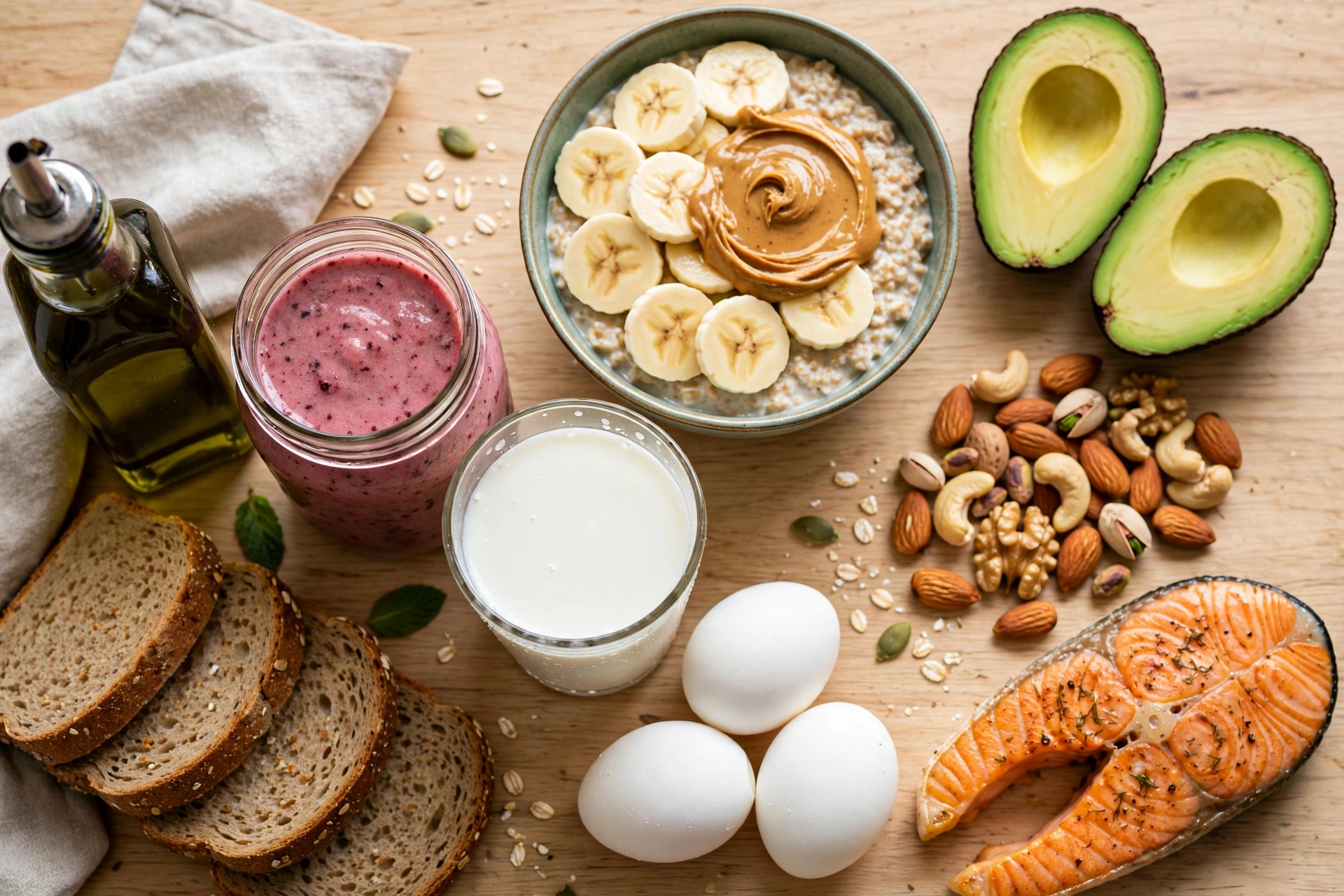
You do not need a meditation retreat — a daily walk, decent sleep, and ten minutes of something that calms you down will help. Your diet matters too. Zinc, B vitamins, and omega-3 fatty acids all support scalp health. That means foods like eggs, nuts, seeds, fatty fish, and leafy greens. If your diet is mostly processed food and sugar, your scalp will notice. Learning to manage stress naturally and eating real food will not cure dandruff on their own, but they make every other remedy on this list work better.
A Simple Weekly Routine That Puts It All Together
Remedies only work if you actually use them consistently. Here is a routine you can follow without thinking about it too much:
- Two or three times a week: Shampoo with a gentle shampoo. Once a week, add a few drops of tea tree oil to it.
- Once a week: Pick one treatment — a coconut oil massage, an aloe mask, or a fenugreek paste — and do it on the same day each week so it becomes a habit.
- Once a week: Finish one wash with an apple cider vinegar rinse.
- Every day: Brush your hair gently before washing to loosen flakes, and keep your hands off your scalp. Scratching feels good for a second and makes everything worse.
Give any remedy at least two to three weeks before deciding it does not work. Dandruff did not appear overnight, and it will not disappear overnight either. Most people see real improvement in three to four weeks of consistent care.
Home Remedies vs. Medicated Shampoo: What Works Best?
The honest truth is that medicated shampoos are the most reliable option for moderate dandruff — they are designed for exactly this problem. Natural remedies shine for mild cases and for keeping dandruff away once it is under control. Many people use both: a medicated shampoo for two weeks to get things under control, then natural remedies to maintain it. There is no prize for suffering through flakes when a bottle of anti-dandruff shampoo costs a few dollars.
| Approach | Best for | How fast it works | Cost |
|---|---|---|---|
| Natural remedies (tea tree, ACV, coconut oil, aloe) | Mild dandruff, sensitive scalps, maintenance | 2–4 weeks | Very low |
| Medicated shampoo (zinc pyrithione, selenium sulfide, ketoconazole) | Moderate to stubborn dandruff | 1–2 weeks | Low |
| Prescription treatments | Severe dandruff, seborrheic dermatitis | Varies | Higher |
Mistakes That Make Dandruff Worse
- Scratching your scalp hard. It feels satisfying and spreads irritation. Use your fingertips, never your nails.
- Using very hot water. Hot water strips natural oils and dries the scalp. Use lukewarm water instead.
- Piling on styling products. Gels, sprays, and dry shampoo build up on the scalp and feed the yeast.
- Skipping washes for too long. A dirty, oily scalp is a happy home for Malassezia.
- Switching remedies every two days. You will never know what works. Give each remedy two to three weeks.
- Ignoring the signs of something more serious. If the flakes are thick, yellowish, and greasy, or your scalp is red, swollen, or bleeding, that may be seborrheic dermatitis or psoriasis — not ordinary dandruff.
When to See a Doctor
Most dandruff responds to the remedies above, but see a doctor or dermatologist if your dandruff does not improve after four weeks of consistent care, if the itching is intense enough to disturb your sleep, or if you notice hair loss, redness, swelling, or sores. A dermatologist can prescribe stronger antifungal shampoos or creams, and can check whether what you have is actually dandruff or something else entirely, like scalp psoriasis or eczema. There is nothing embarrassing about it — dermatologists see dandruff every single day.
Frequently Asked Questions
Can dandruff be cured permanently?
Dandruff can usually be controlled, but it tends to come back if you stop caring for your scalp. Think of it like brushing your teeth — maintenance, not a one-time fix. Once the flakes are gone, keep up a simple routine and they usually stay away.
Is dandruff caused by dry skin?
Sometimes, but not always. Dry skin causes small, dry flakes, usually in winter. Dandruff caused by an oily scalp produces larger, greasier flakes. That is why some remedies focus on moisture (coconut oil, aloe) while others focus on reducing oil and yeast (vinegar, tea tree). Knowing which type you have helps you pick the right remedy.
Does dandruff cause hair loss?
Dandruff itself does not usually cause hair loss, but constant scratching and scalp inflammation can weaken hair and increase shedding. Getting the dandruff under control usually stops the extra shedding too. If you are worried about your hair health overall, our guide on how to improve hair health naturally covers the habits that keep hair strong.
How often should I wash my hair if I have dandruff?
Most people do best washing two to three times a week. Very oily scalps may need more frequent washing. The key is consistency and thorough rinsing — leftover shampoo residue can irritate the scalp and make flakes worse.
Can diet really affect dandruff?
Yes, indirectly. Deficiencies in zinc and B vitamins are linked to worse dandruff, and a diet high in sugar and processed foods can increase inflammation. Eating a balanced diet will not cure dandruff alone, but it supports everything else you are doing. Our guide on how to reduce inflammation naturally explains how food choices affect skin and scalp health.
The Bottom Line
Figuring out how to get rid of dandruff naturally comes down to three things: keep your scalp clean but not stripped, use one or two remedies consistently for a few weeks, and stop doing the things that make it worse. Tea tree oil, coconut oil, apple cider vinegar, and aloe vera are good places to start. If natural remedies are not enough after a month, a medicated shampoo is the sensible next step — and there is no shame in that. The goal is a calm scalp and a black shirt you can wear with confidence, however you get there.
Disclaimer: This article is for informational purposes only and is not medical advice. If you have a health condition or concerns, please consult a qualified healthcare professional.