








If you have ever had a migraine, you know it is nothing like an ordinary headache. The throbbing pain, the nausea, the way light and sound suddenly feel unbearable — it can wipe out an entire day. Learning how to relieve migraine naturally can make those days shorter, milder, and far less frequent, without always reaching for the medicine cabinet first.
Migraines affect roughly one in seven people in the United States, and women get them about three times as often as men. The good news is that small, natural habits — the kind you can start today — genuinely help many people. None of these remedies is a miracle cure, and severe migraines still need a doctor’s care, but together they give you real tools to fight back.
What Is a Migraine, Really?
A migraine is a neurological condition, not just a bad headache. During an attack, blood vessels and nerves in the brain become unusually sensitive, which is why the pain often pulses on one side of the head and comes with nausea, dizziness, or sensitivity to light and sound. Some people see flashing lights or zigzag lines — called an aura — before the pain starts.
Attacks usually last anywhere from 4 to 72 hours if untreated. That is a long time to be out of action, which is exactly why having a plan for how to relieve migraine naturally matters. The remedies below work in two ways: some calm an attack that has already started, and others lower your chances of getting one in the first place.
How to Relieve Migraine Naturally: 12 Remedies That Actually Work
1. Lie Down in a Dark, Quiet Room
This sounds almost too simple, but it is one of the most effective things you can do during an attack. Migraines make your brain hypersensitive to light and sound, so stimulation keeps the pain going. Close the curtains, turn off the TV, put your phone face down, and lie still for 20 to 30 minutes. It is a simple first step when you are learning how to relieve migraine naturally.
Many people find that even a short rest in the dark takes the edge off the worst of the pain. If you can sleep, even better — sleep is one of the fastest natural ways to end a migraine.
2. Use a Cold Compress
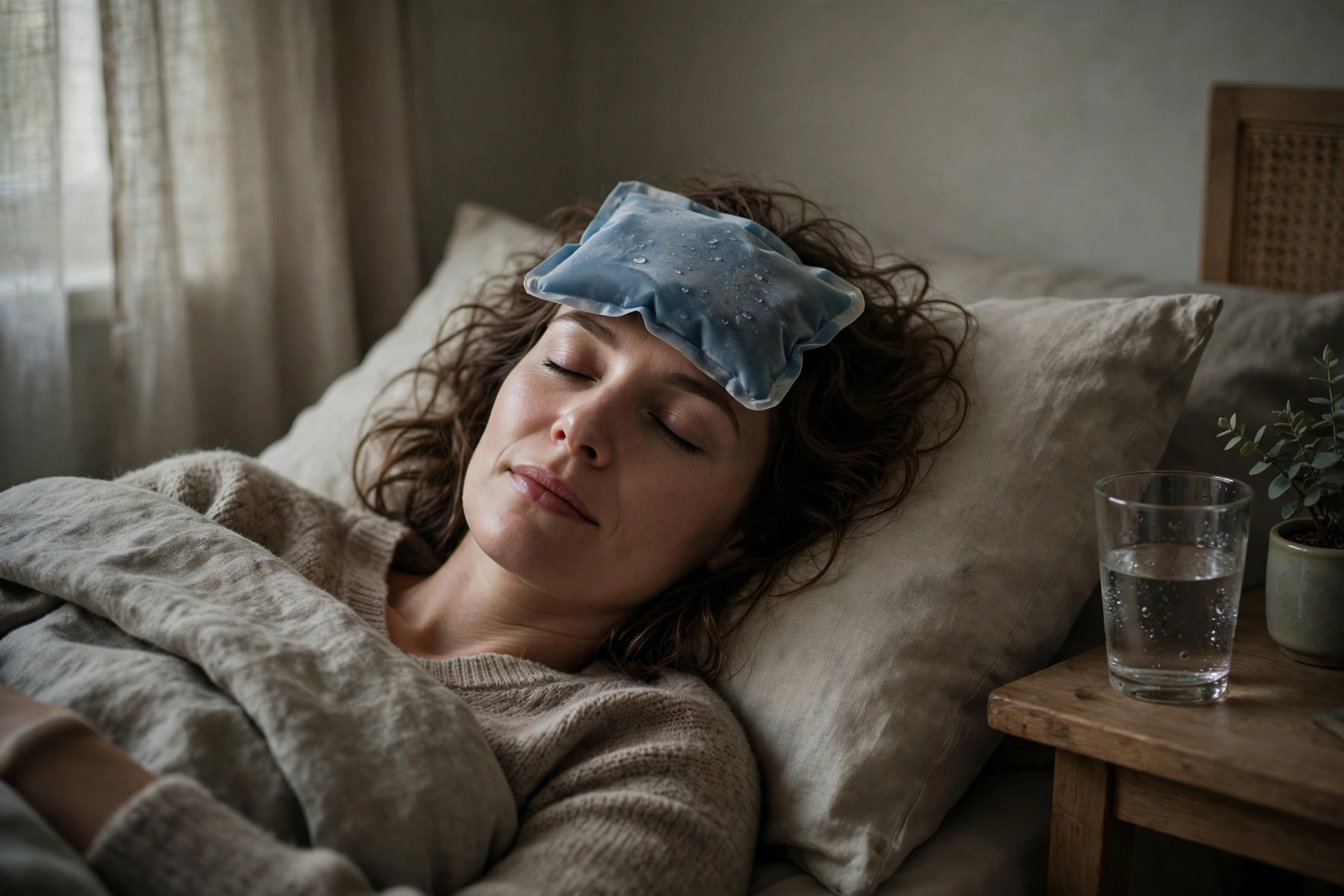
Place a cold pack, a bag of frozen peas wrapped in a towel, or even a cold damp cloth on your forehead, temples, or the back of your neck. Cold constricts blood vessels and numbs the area slightly, which can dull the throbbing.
Keep it on for 15 minutes, take a short break, then repeat if it helps. Some people prefer heat on the neck and shoulders instead, especially if muscle tension is part of the problem. Try both and see which your body prefers — there is no wrong answer here.
3. Drink Water — More Than You Think
Dehydration is one of the most common migraine triggers, and it is also one of the easiest to fix. Even mild dehydration can bring on an attack, especially on hot days or after exercise.
When you feel a migraine coming on, drink a full glass of water right away, then keep sipping steadily. Aim for around 8 glasses a day as a baseline, and more if you exercise or spend time in the heat. Keeping a water bottle on your desk makes this almost automatic. Staying hydrated is a simple part of how to relieve migraine naturally.
4. Sip Caffeine — But Only a Little
This one surprises people. A small amount of caffeine can actually help a migraine, because it narrows blood vessels and boosts the effect of pain relievers. That is why some migraine medicines contain caffeine.
A single cup of coffee or green tea at the first sign of an attack may help. But there is a catch: too much caffeine, or caffeine every day, can cause rebound headaches when you skip it. Keep it occasional and modest — one cup, not four.
5. Try Ginger
Ginger has been used for nausea for centuries, and research suggests it can help with migraine pain too. In one well-known study, ginger powder worked about as well as a common migraine drug for many patients, with fewer side effects.
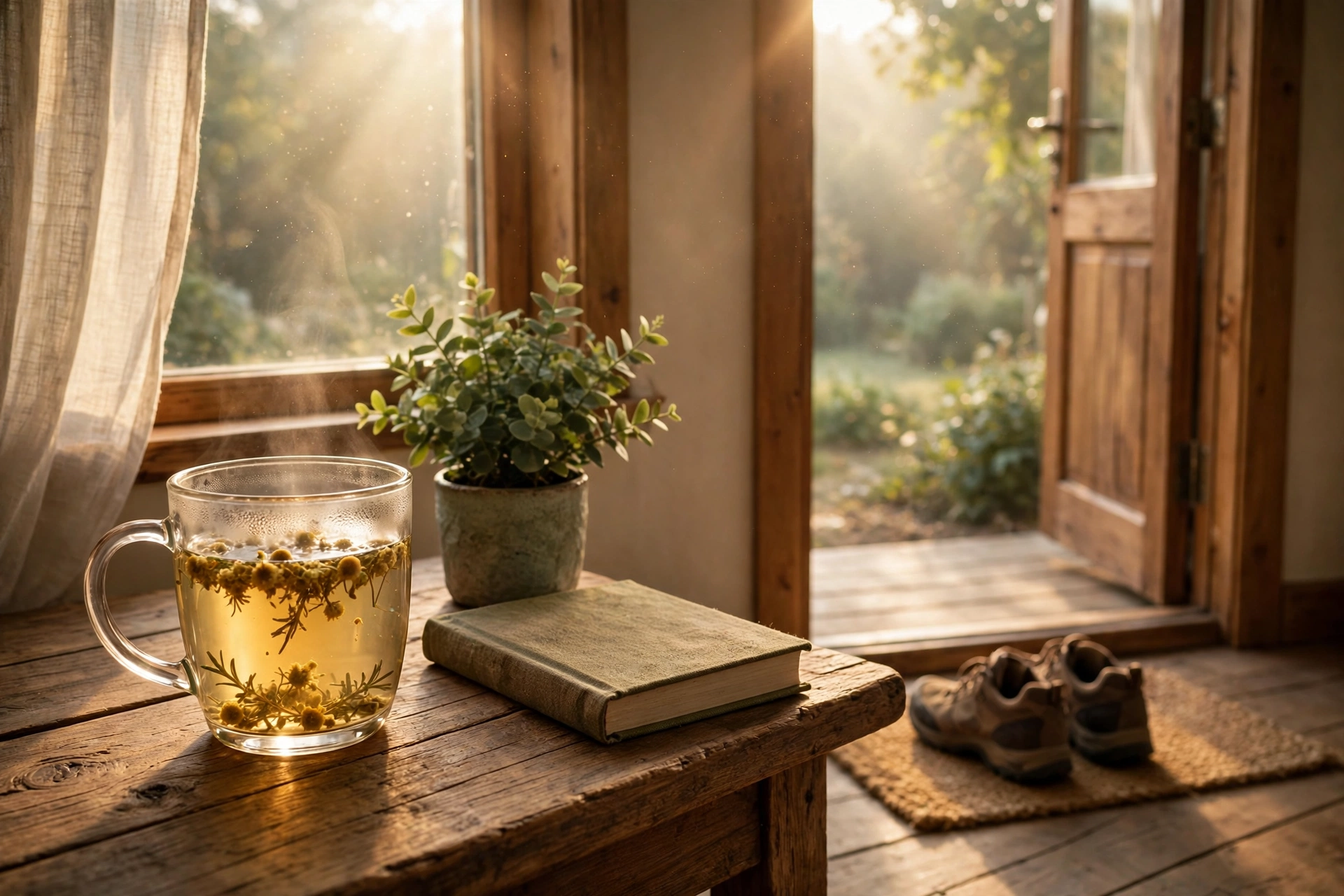
Make fresh ginger tea by steeping a few slices of peeled ginger in hot water for 10 minutes, or chew a small piece of crystallized ginger. It is especially helpful if nausea is one of your worst migraine symptoms.
6. Massage Your Temples, Neck, and Shoulders
Tension builds up in the neck and shoulders during a migraine, and that tension feeds the pain. A gentle self-massage can break the cycle. Use your fingertips to press in slow circles on your temples, then work down the back of your neck and across your shoulders.
If someone else can help, even better. A 10-minute shoulder and neck massage a few times a week has been shown to reduce how often migraines strike. You can also try a tennis ball against a wall to work out knots in your upper back.
7. Practice Slow, Deep Breathing
When pain hits, breathing gets shallow and fast, which raises stress hormones and makes everything worse. Slow breathing does the opposite: it calms your nervous system and relaxes tense muscles.
Try this: breathe in through your nose for 4 counts, hold for 4, breathe out through your mouth for 6. Repeat for five minutes. It will not erase the migraine on its own, but it takes the panic out of the pain — and for many people, that alone makes the attack feel manageable. Deep breathing is a core skill for anyone learning how to relieve migraine naturally. If stress is one of your main triggers, learning to manage stress naturally can cut your attacks noticeably over time.
8. Get Regular, Quality Sleep
Irregular sleep is a powerful migraine trigger. Sleeping too little — or sleeping in far too long on weekends — can both set off an attack. Your brain likes a steady rhythm.
Go to bed and wake up at roughly the same time every day, even on weekends. Keep your bedroom cool, dark, and quiet, and avoid screens for at least 30 minutes before bed. If falling asleep is hard, our guide on how to fall asleep fast has practical techniques that work for most people.
9. Eat Regularly — and Watch Your Triggers
Skipping meals is a classic migraine trigger because low blood sugar stresses the brain. Eat three balanced meals a day and keep a small healthy snack, like almonds or an apple, on hand so you never go too long without food.
Some foods trigger migraines in certain people. The usual suspects are aged cheese, processed meats, red wine, chocolate, and foods with MSG. Keep a simple diary for a few weeks: note what you ate before each attack. Patterns usually show up fast, and cutting out one trigger food can sometimes halve your attacks.
10. Try Magnesium-Rich Foods
Magnesium helps regulate nerve signals and blood vessel function, and many migraine sufferers are low in it. Studies have found that magnesium supplements can reduce migraine frequency, but food is the gentlest place to start.
Good sources include spinach, pumpkin seeds, almonds, black beans, bananas, and dark chocolate. Adding a handful of pumpkin seeds to your breakfast or a spinach salad to lunch is an easy, everyday way to top up. If you consider a supplement, talk to your doctor first — the right dose matters.
11. Move Gently — Yoga and Walking
It sounds counterintuitive to exercise during a migraine, and during a full attack you should rest. But between attacks, gentle movement is one of the best long-term approaches when learning how to relieve migraine naturally. Regular aerobic exercise reduces migraine frequency by improving blood flow and lowering stress.
Walking is enough to start — 30 minutes a day, five days a week. Yoga is especially good because it combines movement, breathing, and relaxation in one session. Avoid intense workouts that leave you exhausted or dehydrated, since those can trigger an attack instead.
12. Try Peppermint or Lavender Oil
Peppermint oil has a cooling, numbing effect when dabbed on the temples and forehead. Lavender oil, inhaled or massaged into the skin, has a calming effect that some studies link to faster migraine relief.
Put a drop or two on your fingertips and rub it gently into your temples — never into your eyes. Or add a few drops to a warm bath. These oils will not replace medicine for a severe attack, but they are a pleasant, low-risk addition to your relief kit. Using them is one small part of how to relieve migraine naturally.
Common Migraine Triggers — and What Helps
Knowing how to relieve migraine naturally also means knowing what sets attacks off. The table below shows the most common triggers and what to do instead.
| Trigger | Why it matters | What to do instead |
|---|---|---|
| Dehydration | Low fluid levels stress blood vessels | Carry water; drink a glass at the first warning sign |
| Skipped meals | Low blood sugar triggers attacks | Eat every 3–4 hours; keep nuts or fruit handy |
| Poor sleep | Irregular sleep disrupts brain chemistry | Fixed bedtime and wake time, even on weekends |
| Stress | Tension tightens muscles and raises cortisol | Deep breathing, walking, regular breaks |
| Bright light and screens | Overstimulates a sensitive brain | Blue-light filter, regular screen breaks, sunglasses outdoors |
| Strong smells | Perfume and smoke can set off attacks | Ventilate rooms; avoid heavy fragrances |
| Too much caffeine | Daily caffeine leads to rebound headaches | One cup max, and not every day |
| Weather changes | Pressure drops affect sensitive brains | Track attacks against weather; rest early on risky days |
When to See a Doctor
Natural remedies are wonderful for typical migraines, but some symptoms need medical attention right away. The Mayo Clinic also lists migraine symptoms and warning signs that need prompt medical care. See a doctor promptly if you notice any of these:
- A headache that is suddenly the worst you have ever had
- Headache after a head injury
- Weakness, numbness, or trouble speaking during an attack
- Vision changes that do not go away
- Headaches that keep getting worse over weeks
- Migraines more than 15 days a month
If your migraines are frequent or disabling, a doctor can discuss preventive treatments that work alongside the natural habits above. There is no prize for suffering through them alone.
Frequently Asked Questions
How long does a migraine last?
Without treatment, most migraines last 4 to 72 hours. With early natural remedies — rest in the dark, water, a cold compress — many people shorten an attack considerably. The earlier you act, the better the result.
What is the fastest way to relieve a migraine naturally?
Lie down in a dark, quiet room, drink a full glass of water, and put a cold compress on your forehead. A small cup of coffee at the first sign can also help. Acting within the first 30 minutes makes the biggest difference.
Can food really trigger migraines?
Yes, for many people. Aged cheese, processed meats, red wine, chocolate, and MSG are the most common culprits, but triggers are personal. A food diary for two to three weeks is the simplest way to find yours.
Are migraines different from regular headaches?
Yes. A regular headache is usually mild, steady, and on both sides of the head. A migraine often throbs on one side, comes with nausea and sensitivity to light and sound, and can last for days. If you are unsure which you have, our guide on how to get rid of a headache naturally covers everyday headaches in detail.
Can migraines be prevented?
Often, yes — at least partly. Regular sleep, steady meals, enough water, daily movement, and managing stress can cut migraine frequency significantly for many people. Keeping a trigger diary is the single most useful step, because it shows you exactly what to change. These habits are the foundation of how to relieve migraine naturally over the long term.
The Bottom Line
Migraines can feel like they run your life, but they do not have to. Learning how to relieve migraine naturally starts with the basics: water, regular sleep, regular meals, and a dark room when an attack hits. Add the remedies that fit your life — ginger tea, a cold compress, a walk, a few minutes of deep breathing — and keep a simple diary so you learn your own triggers.
Relief is rarely one big fix. It is a handful of small habits, repeated, that slowly make the attacks shorter, milder, and less frequent. Be patient with the process, and give each new habit two or three weeks before judging it.
Disclaimer: This article is for informational purposes only and is not medical advice. If you have a health condition or concerns, please consult a qualified healthcare professional.