








You come home after a long day, kick off your shoes, and notice it right away — your feet look puffy, your socks have left deep marks around your ankles, and your shoes suddenly feel a size too small. Swollen feet are uncomfortable, sometimes a little scary, and surprisingly common. The good news is that in most cases, learning how to reduce swelling in feet naturally is simply a matter of a few everyday habits: moving more, elevating your feet, drinking enough water, and easing up on salt.

Doctors call this swelling “edema,” and it happens when extra fluid collects in the tissues of your feet and ankles. Gravity pulls fluid downward all day, so your feet are usually the first place it shows up. A long flight, a hot afternoon, standing at work for eight hours, or a salty takeout dinner can all leave your feet looking like balloons by evening. For most healthy people, that kind of swelling is temporary and harmless. But it is worth knowing which remedies actually help — and when swollen feet are a sign to call your doctor.
What Causes Swollen Feet?
Before reaching for a remedy, it helps to understand what is going on. Swelling in the feet usually comes down to fluid pooling instead of circulating back up toward the heart. A few everyday triggers are behind most cases. Understanding these causes is the first step in learning how to reduce swelling in feet naturally.
Sitting or standing too long. When your legs stay still, the calf muscles stop pumping blood upward. Fluid settles in the lowest point — your feet and ankles. This is why a long-haul flight or a desk job can leave your shoes feeling tight by 5 p.m.
Too much salt. Sodium makes your body hold on to water. A salty restaurant meal or a bag of chips can add noticeable puffiness within hours, especially if you do not drink much water with it.
Hot weather. Heat makes blood vessels widen so your body can cool itself, and that extra widening lets more fluid leak into surrounding tissue. Summer swelling is so common it has its own nickname: “heat edema.”
Pregnancy. During pregnancy, the body produces about 50% more blood and fluid, and the growing uterus presses on the veins that return blood from the legs. Mild ankle swelling in the third trimester is normal for most pregnant women.
Minor injuries. A sprained ankle or a bruised foot swells because the body sends extra fluid to the injured area as part of healing. This is the body’s repair crew at work.
Certain medications. Some blood pressure drugs, steroids, diabetes medications, and hormone treatments list swelling as a side effect. If your swelling started soon after a new prescription, mention it to your doctor rather than stopping the medication on your own.
Swelling can also be linked to circulation problems, kidney issues, or heart conditions — which is why persistent swelling, especially in one leg only or with pain, deserves medical attention. We will cover those warning signs later in this article.
How to Reduce Swelling in Feet Naturally: 12 Natural Remedies
1. Elevate Your Feet Above Your Heart
This is the single fastest remedy, and it costs nothing. Lie down and prop your feet on pillows so they sit 6 to 12 inches above the level of your heart. Gravity then works for you instead of against you, draining the pooled fluid back toward the rest of your body. Aim for 15 to 30 minutes, two or three times a day — or simply put your feet up whenever you sit down to watch TV in the evening. Many people notice a visible difference after one session.
2. Walk Around Every Hour
Your calf muscles are sometimes called your “second heart” because every step squeezes the veins in your legs and pushes blood upward. Sitting still for hours switches that pump off. Set a quiet reminder to stand up and walk for a few minutes every hour. Even a short stroll to the kitchen or a lap around the office helps. If you are on a long flight, walk the aisle every hour or two, and do ankle circles in your seat in between.
3. Try Ankle Circles and Foot Pumps
When you cannot walk — on a plane, at a desk, or on a long drive — you can still work those calf muscles. Sit with your feet flat, then slowly rotate each ankle in circles, ten times clockwise and ten times the other way. Then do “foot pumps”: point your toes away from you like a ballerina, hold for a second, then pull them back toward your shin. Repeat ten times. It looks like nothing, but it genuinely moves fluid out of your lower legs.
4. Drink More Water
It sounds backwards — you are retaining water, so why drink more? But mild dehydration actually makes your body cling to the water it has. When you drink enough, your kidneys flush out excess sodium and fluid more efficiently. Aim for around eight glasses a day, and a little more in hot weather or after exercise. Keep a water bottle at your desk so it becomes automatic. If plain water bores you, add a slice of lemon or cucumber.
5. Cut Back on Salt
Salt is one of the biggest drivers of puffy feet. The average American eats about 3,400 mg of sodium a day — far above the recommended 2,300 mg. You do not need to give up flavour to cut back. Cook with herbs, garlic, lemon juice, and pepper instead of reaching for the salt shaker. Go easy on processed foods, canned soups, deli meats, and fast food, which hide most of the salt we eat. Even a few days of lower-sodium eating can make your ankles look noticeably slimmer.
6. Wear Compression Socks
Compression socks gently squeeze your legs, stopping fluid from pooling in your feet in the first place. They are a favourite of nurses, flight attendants, retail workers — anyone on their feet all day. Mild compression (15–20 mmHg) is available over the counter and works well for everyday swelling. Put them on in the morning before swelling starts, and take them off before bed. If you have diabetes or circulation problems, ask your doctor before using them.
7. Soak Your Feet in Cool Water with Epsom Salt
A cool foot soak feels wonderful after a long day, and many people find Epsom salt (magnesium sulfate) helps too. Fill a basin with cool — not icy — water, stir in half a cup of Epsom salt, and soak your feet for 15 to 20 minutes. The cool water constricts blood vessels and eases the heavy feeling, while the soak itself is deeply relaxing. Do this in the evening while you unwind, and follow it with elevating your feet for a few extra minutes.
8. Move Your Body Every Day
Regular movement is the long-term fix for swollen feet. Walking, swimming, cycling, and yoga all keep your circulation moving and strengthen the calf muscles that push fluid upward. Swimming is especially good because the water pressure gently compresses your legs while you move. You do not need an intense workout — a brisk 30-minute walk most days of the week makes a real difference. If you are just getting started, even ten minutes counts. Build up gradually, and you will notice your feet swelling less and less often. That is why daily movement is a key part of how to reduce swelling in feet naturally.
9. Eat Potassium-Rich Foods
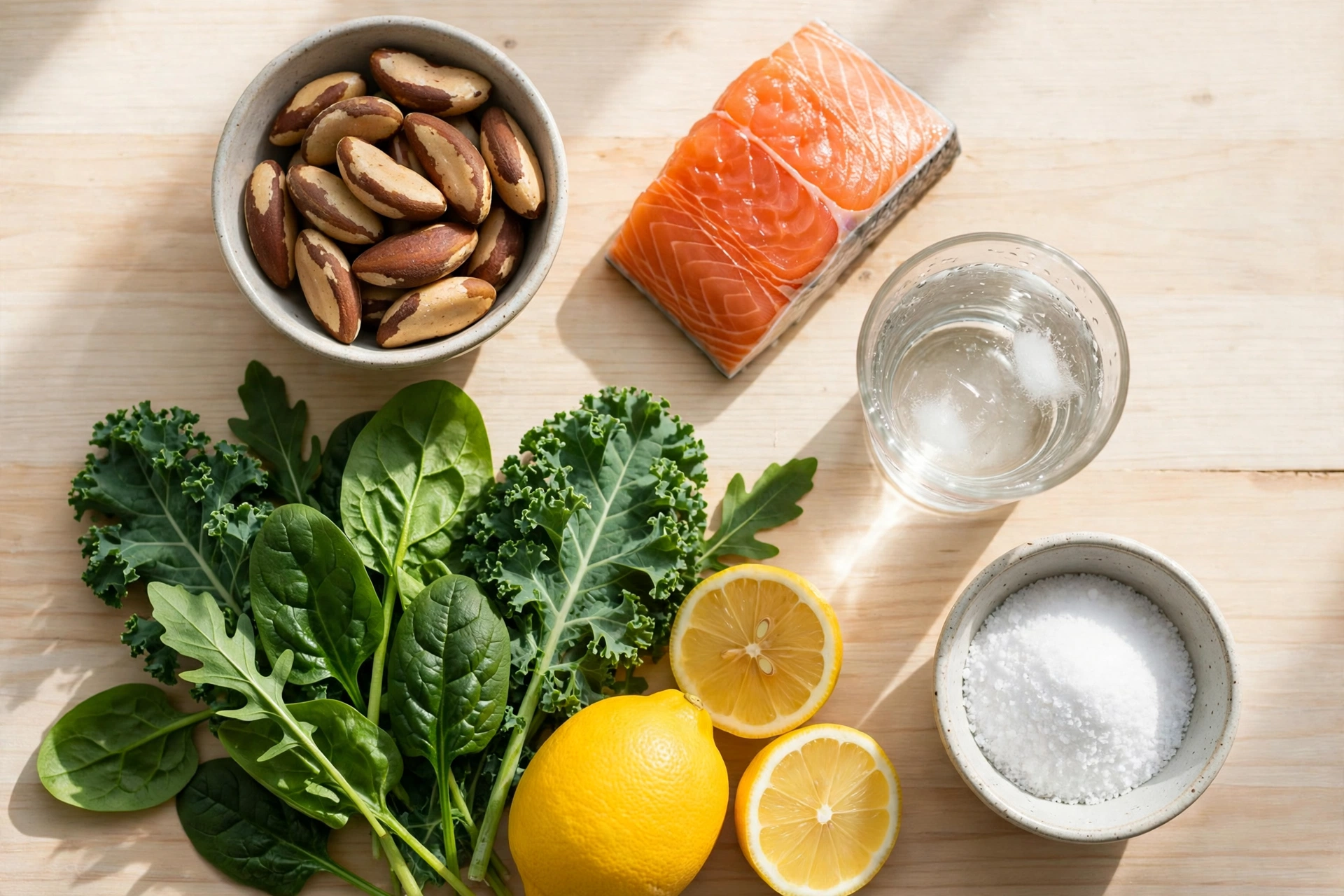
Potassium helps your body balance sodium and release extra fluid. Bananas get all the attention, but sweet potatoes, spinach, avocados, beans, oranges, and tomatoes are all rich in potassium too. Adding a couple of these foods to your daily meals supports healthy fluid balance without any pills or powders. A breakfast of yoghurt with a banana, or a dinner with roasted sweet potatoes and spinach, quietly works in your favour all day.
10. Massage Your Feet Upward
A simple self-massage can move pooled fluid out of your feet. Sit comfortably, rub a little lotion or oil into your hands, and stroke firmly from your toes up toward your knee — always upward, never down, since you are helping fluid travel back toward your heart. Spend five to ten minutes on each foot, paying extra attention around the ankles. It is relaxing, it improves circulation, and it is a good excuse to sit down and put your feet up at the same time.
11. Sleep with Your Feet Slightly Raised
If your feet are still puffy at bedtime, tuck a pillow under the foot of your mattress or under your calves so your feet rest a little higher than your heart all night. Gravity works for you while you sleep, and many people wake up with noticeably less swelling. It feels slightly odd the first night, but most people get used to it quickly. This is especially helpful during pregnancy or hot summer weeks.
12. Avoid Tight Clothing Around Your Legs
Skinny jeans, tight socks with elastic bands, or anything that pinches around your calves and ankles can trap fluid in your feet. If you notice deep sock marks at the end of the day, your socks are too tight. Switch to looser, comfortable socks and clothing that does not squeeze your legs. Comfortable shoes matter too — make sure your shoes have room for your feet at their widest, which is usually late in the day.
Quick Fixes vs. Long-Term Habits
Some remedies work within minutes; others prevent swelling from coming back. You need both. Knowing how to reduce swelling in feet naturally means using both kinds — quick relief today and habits that stop it from returning tomorrow.
| Remedy | How fast it helps | Best for |
|---|---|---|
| Elevating your feet | 15–30 minutes | Evening puffiness after a long day |
| Ankle circles and foot pumps | Right away | Long flights, desk jobs, car rides |
| Cool Epsom salt soak | 20 minutes | Tired, heavy-feeling feet |
| Compression socks | All day, while worn | Standing jobs, travel days |
| Drinking more water | A few hours | Salt-related puffiness |
| Cutting back on salt | 1–3 days | Frequent or daily swelling |
| Daily walking and movement | 1–2 weeks | Preventing swelling long-term |
| Potassium-rich foods | Ongoing | Overall fluid balance |
Think of it this way: elevation and movement are your rescue tools for today, while walking, hydration, and less salt are what keep the swelling from returning tomorrow.
When Swollen Feet Need a Doctor
Natural remedies are wonderful for everyday swelling, but some situations need medical care. Call your doctor promptly if you notice any of these warning signs:
- Swelling in only one foot or leg, especially with pain, warmth, or redness — this can be a blood clot
- Sudden swelling that appears out of nowhere and does not go down with elevation
- Swelling with shortness of breath or chest pain — seek emergency care right away
- Swelling that lasts for days despite rest, elevation, and the remedies above
- Swelling along with very little urination, which can signal a kidney problem
- Swollen feet during pregnancy with a headache, vision changes, or upper belly pain — this can be a sign of preeclampsia and needs urgent care
- Open sores, skin that looks stretched and shiny, or feet that feel numb
If you take medication for blood pressure, diabetes, or a heart condition and notice new swelling, tell your doctor — it may be a side effect that can be managed by adjusting your treatment. And if you have diabetes, check your feet daily; swelling plus reduced feeling in the feet can hide injuries that need attention.
Frequently Asked Questions
How long does it take for swollen feet to go down naturally?
Mild swelling from a long day, heat, or a salty meal usually improves within a few hours of elevating your feet and moving around. Learning how to reduce swelling in feet naturally usually starts with elevation and gentle movement. If it takes more than a day or two to settle, or keeps coming back every day, talk to your doctor.
Does drinking water really help swollen feet?
Yes. Staying hydrated helps your kidneys flush out excess sodium and fluid. Dehydration does the opposite — your body holds on to every drop. Aim for about eight glasses a day, and more when it is hot or you are active.
Is it safe to use compression socks every day?
For most healthy adults, mild over-the-counter compression socks (15–20 mmHg) are safe for daily wear. Put them on in the morning and remove them at night. If you have diabetes, poor circulation, or numbness in your feet, check with your doctor first.
What foods make foot swelling worse?
Salty processed foods are the main culprit — canned soup, deli meat, fast food, chips, and soy sauce. Alcohol can also worsen swelling by dehydrating you and widening blood vessels. Cutting back on both usually helps within a few days.
Can swollen feet be a sign of something serious?
Usually not — most foot swelling comes from standing too long, heat, salt, or pregnancy. But swelling in one leg only, swelling with chest pain or shortness of breath, or swelling that will not go down can signal a blood clot, heart, kidney, or liver problem. Those need prompt medical attention.
The Bottom Line
Swollen feet are annoying, but for most people they are also very manageable. If you are wondering how to reduce swelling in feet naturally, start with the simplest steps: put your feet up, move around every hour, drink enough water, and ease up on salt. Add in daily walking and compression socks on long days, and you will likely find the puffiness shows up far less often. The real secret is consistency — small daily habits beat occasional heroic efforts every time.
Pay attention to your body, though. If the swelling is new, one-sided, painful, or just will not go away, do not try to tough it out. See your doctor and get it checked. Most of the time you will be told it is nothing to worry about — and that peace of mind is worth the visit.
Disclaimer: This article is for informational purposes only and is not medical advice. If you have a health condition or concerns, please consult a qualified healthcare professional.