







If you have ever caught sight of stretch marks in the mirror and wondered whether anything natural can actually fade them, you are far from alone. Stretch marks show up on millions of people — after pregnancy, a growth spurt, a period of weight gain, or even a few months of serious gym progress. They are completely normal, they are not dangerous, and they do not mean you did anything wrong. But it is also completely fair to want them to look less noticeable. That is exactly what this guide is about: how to get rid of stretch marks naturally, with honest, practical remedies you can start at home today.
Here is the honest part up front. No cream, oil, or home remedy can erase a stretch mark completely — the marks are a form of scarring in the deeper layer of the skin. What natural remedies can do is fade them, soften their texture, and make them far less noticeable over weeks and months. The earlier you start, the better your results tend to be: red or purple marks, the newer ones, respond much better than older silvery-white marks.
What Are Stretch Marks, and Why Do They Appear?
Stretch marks, or striae if you want the medical word, form when the skin stretches quickly and the middle layer, the dermis, tears slightly. That layer gives skin its strength and elasticity through two proteins, collagen and elastin. When skin is forced to expand faster than these fibres can keep up — during pregnancy, puberty, rapid weight gain or loss, or even fast muscle growth — tiny tears appear. At first they look red, pink, or purple because blood vessels show through; over time they fade to silvery-white and feel slightly indented.
Some people get them more easily than others, mostly down to genetics and hormones. If your mother had stretch marks, you are more likely to get them too. Higher cortisol levels, which rise during pregnancy and periods of stress, can weaken the skin’s elastic fibres. Dry skin is also less flexible than well-moisturised skin, which is why hydration matters so much for both prevention and treatment. The most common spots are the stomach, hips, thighs, breasts, lower back, and upper arms. Knowing what causes them is the first step in learning how to get rid of stretch marks naturally.
How to Get Rid of Stretch Marks Naturally: 10 Remedies That Work
None of these remedies is a miracle cure on its own. The real magic is consistency — pick two or three that fit your routine and stick with them for at least eight to twelve weeks, roughly how long skin takes to show visible change. If you are wondering how to get rid of stretch marks naturally, consistency is the real secret.
1. Aloe Vera Gel
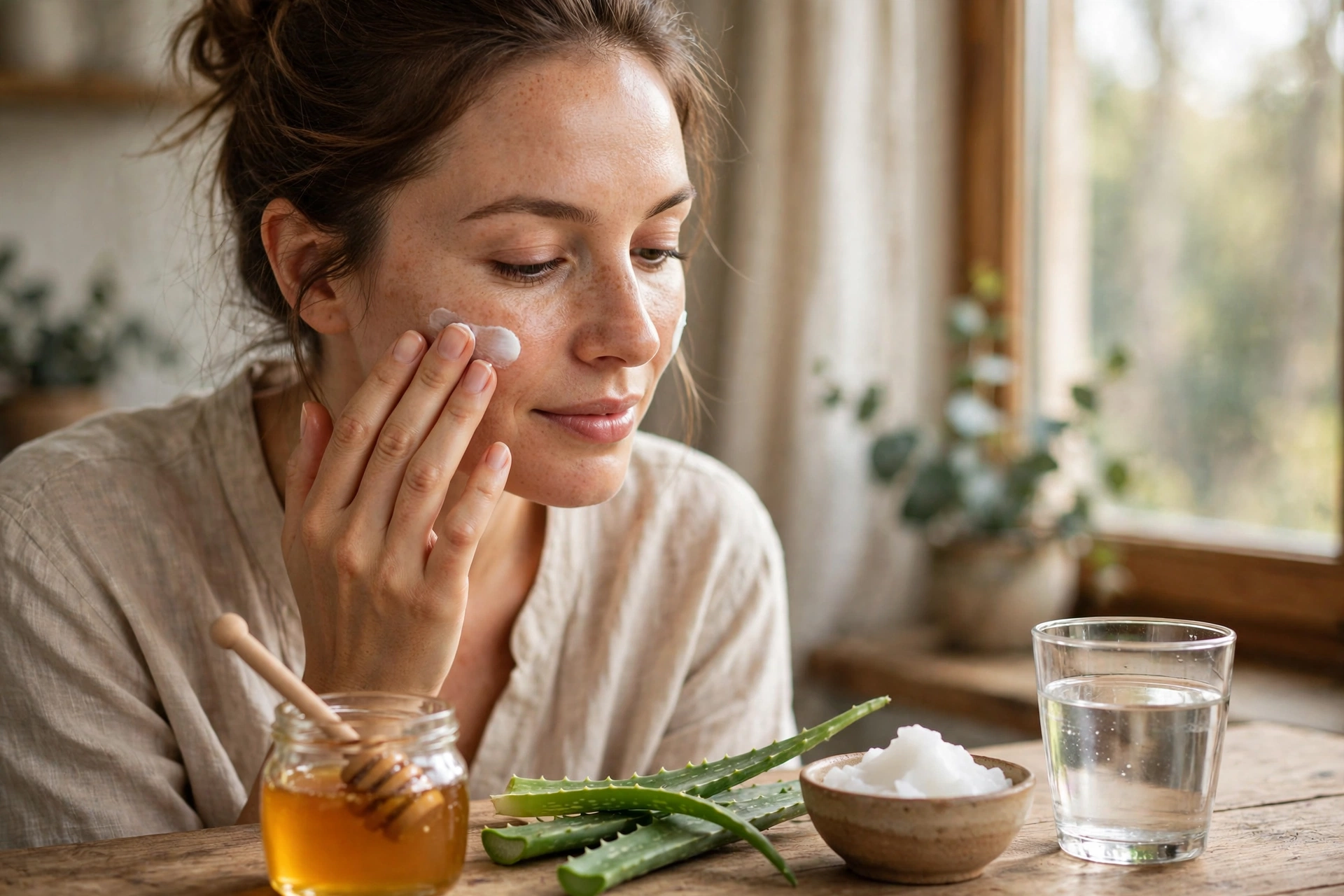
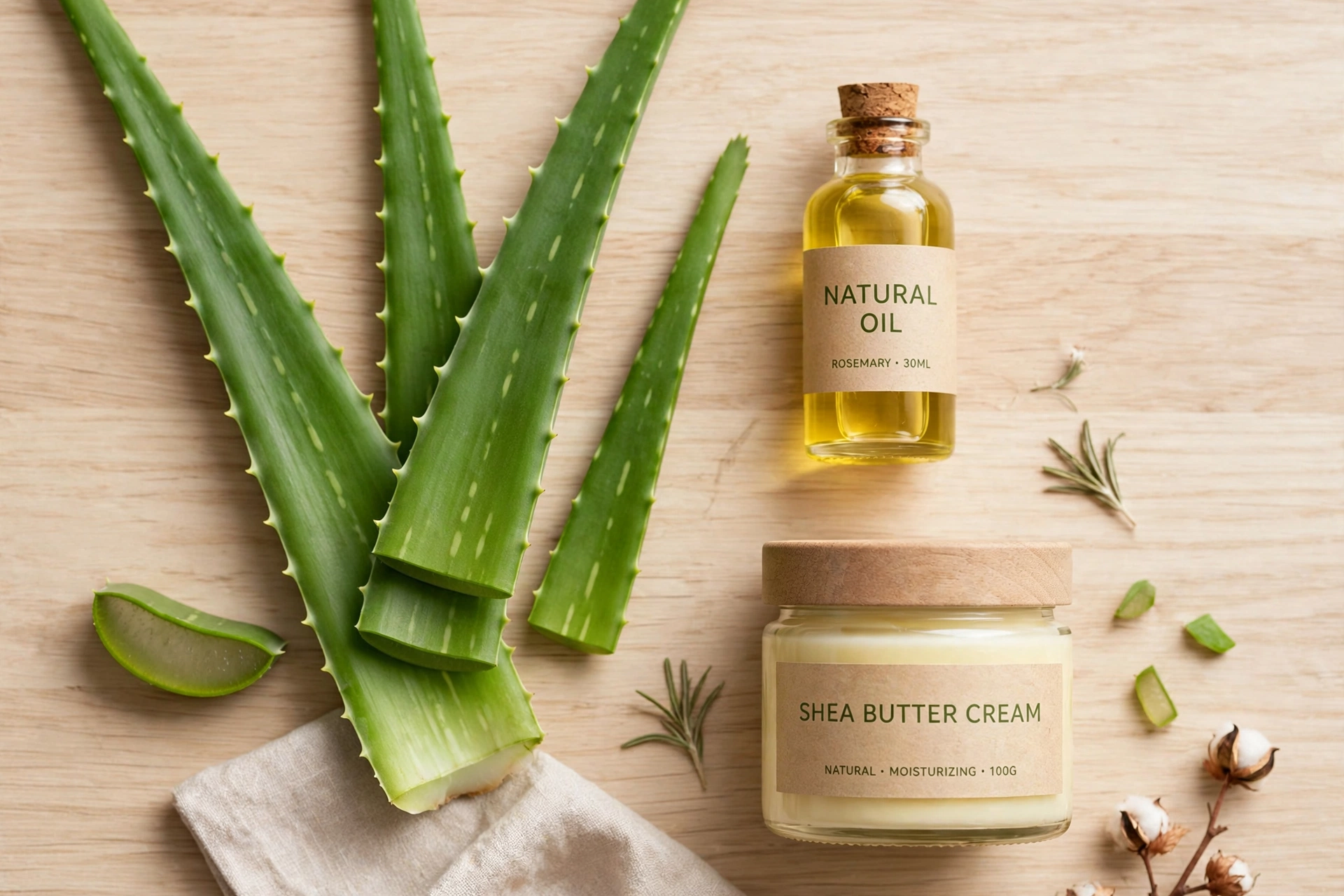
Aloe vera is probably the simplest place to start. The gel is rich in compounds that support skin repair and soothe irritation, and it sinks in without leaving a greasy film. Scoop fresh gel from a leaf, or use a pure store-bought gel with no added fragrance, and massage it into the marks twice a day. Leave it on for fifteen to twenty minutes, then rinse with lukewarm water. It will not erase marks overnight, but many people notice their skin looks calmer and more even within a few weeks.
2. Coconut Oil Massage
Coconut oil is a classic for a reason. It is deeply moisturising, and a daily massage with it does two useful things at once: it keeps the skin supple, and the massage boosts blood flow to the area, which supports healing. Warm a small amount between your palms and massage it into the stretch marks using firm, circular motions for five to ten minutes. Do this once or twice a day, ideally after a shower when your skin is still slightly damp. If coconut oil feels too heavy, sweet almond oil or olive oil work in much the same way.
3. Shea Butter or Cocoa Butter
If oils feel too light, butters are the next step up. Shea butter and cocoa butter are thick, rich moisturisers that create a protective layer over the skin and keep moisture locked in for hours. They are especially popular during pregnancy, and many women swear by them for keeping the skin on the belly comfortable as it stretches. Apply a generous amount morning and night. The key here is not the brand — it is doing it every single day.
4. Vitamin E Oil
Vitamin E is one of the most talked-about ingredients in scar care. It is an antioxidant that helps protect skin cells and supports repair. You can buy vitamin E oil on its own, or simply pierce a vitamin E capsule and squeeze the oil out. Mix a few drops into your regular moisturiser or coconut oil and massage it in. Pure vitamin E oil can feel sticky, so blending it with a lighter oil usually feels better.
5. Sugar Scrub Exfoliation
Exfoliation sounds counterintuitive — why would you scrub skin that is already damaged? But a gentle scrub removes dead skin cells and encourages fresh skin to come through, which can make marks look less stark over time. Mix one cup of white sugar with a quarter cup of coconut or almond oil and a squeeze of lemon juice. Gently rub the mixture over the stretch marks in circular motions for five to eight minutes, two or three times a week, then rinse and moisturise. Do not scrub hard, and skip this if your skin is irritated or freshly sunburned.
6. Lemon Juice
Lemon juice is a natural lightening agent, and it can help fade the darker colour of newer stretch marks. Squeeze fresh lemon juice onto a cotton ball and dab it directly onto the marks. Leave it for ten minutes, rinse, and always follow with moisturiser, because lemon can dry the skin out. One warning: never use lemon juice and then go out in the sun — citrus on skin plus sunlight can cause irritation and even burns. Use this remedy in the evening only.
7. Castor Oil
Castor oil is thick and sticky, but it has been used in traditional skin care for generations because it penetrates deeply and keeps skin hydrated for a long time. Massage a small amount into the stretch marks for ten to fifteen minutes, then wrap the area in a warm cloth for twenty minutes to help it absorb. Mixing it with coconut oil makes it much easier to work with.
8. Stay Hydrated From the Inside
All the creams in the world will only do so much if your skin is dehydrated from the inside. Well-hydrated skin is more elastic, and elastic skin handles stretching — and healing — far better. Aim for around eight glasses of water a day, more if you exercise or live somewhere hot. Herbal tea and water-rich foods like cucumber, watermelon, and oranges all count.
9. Eat for Skin Repair
Your skin rebuilds itself from what you eat, so diet matters more than most people realise. Collagen, the protein that gives skin its structure, needs vitamin C to form properly — so citrus fruits, bell peppers, and broccoli are genuinely useful here. Zinc, found in nuts, seeds, and chickpeas, supports healing, while healthy fats from avocado, salmon, and olive oil keep skin supple. Protein, from eggs, beans, lentils, or lean meat, provides the building blocks for new skin cells. You do not need a perfect diet — you just need these foods showing up regularly.
10. Gentle Daily Massage
Here is a secret that ties everything together: the massage matters almost as much as what you rub in. Massaging increases blood circulation, which brings oxygen and nutrients to the area and supports the skin’s natural repair process. It also helps any oil or cream absorb properly instead of sitting on the surface. Five minutes a day, using firm circular motions, is enough. It costs nothing, and it makes every other remedy on this list work better.
Quick Comparison: Which Remedy Fits Your Routine?
If you are still deciding where to start, this quick comparison of the most popular approaches for how to get rid of stretch marks naturally should help.
| Remedy | Best for | How often | When you may see results |
|---|---|---|---|
| Aloe vera gel | New red marks, sensitive skin | Twice daily | 4–6 weeks |
| Coconut oil massage | Daily moisture, all skin types | Once or twice daily | 6–8 weeks |
| Shea or cocoa butter | Pregnancy, very dry skin | Twice daily | 6–8 weeks |
| Vitamin E oil | Fading older marks | Once daily | 8–12 weeks |
| Sugar scrub | Rough texture, dull marks | 2–3 times a week | 6–8 weeks |
| Lemon juice | Darker new marks | Once daily (evenings) | 4–6 weeks |
| Castor oil | Deep moisture, stubborn marks | Once daily | 8–12 weeks |
| Hydration and diet | Everyone, every day | Daily | Ongoing |
What About Creams, Lasers, and Professional Treatments?
It is worth knowing what sits beyond home remedies. Over-the-counter creams containing retinol or hyaluronic acid have some evidence behind them, though retinol should not be used during pregnancy or breastfeeding. Dermatologists can offer microneedling, chemical peels, and laser therapy, which target the deeper layers of skin and tend to produce more visible fading — but they cost significantly more and need several sessions. These treatments can help, but they are a different route from learning how to get rid of stretch marks naturally at home.
The honest middle ground is this: if you want to know how to get rid of stretch marks naturally without spending much, try the home remedies consistently for three months first. Many people are pleasantly surprised by how much fading they get from simple, steady care. If you still want more improvement after that, talk to a dermatologist about what would work for your skin type and your budget. There is no shame in either path.
What to Avoid
A few things can slow your progress or irritate your skin. Do not use harsh scrubs or chemical peels on stretch marks every day — over-exfoliating damages the skin barrier. Avoid strongly fragranced products on the affected area, and do not pick or scratch at the marks. Be sceptical of expensive ‘miracle’ creams that promise to erase stretch marks in a week. If a product sounds too good to be true, it almost certainly is. If you want to know how to get rid of stretch marks naturally, patience beats harsh treatments every time.
Frequently Asked Questions
Can stretch marks go away completely?
Natural remedies cannot remove stretch marks entirely, because the marks are a form of scarring in the deeper layer of the skin. They can fade significantly and blend in with the surrounding skin — especially if you start treating them while they are still red or purple. That is the realistic goal when you set out to learn how to get rid of stretch marks naturally.
How long does it take to fade stretch marks naturally?
Most people need at least eight to twelve weeks of consistent daily care before they notice a real difference. Older, silvery-white marks take longer and may never fade as much as newer ones. Patience and consistency matter more than any single product. That timeline is normal when you are working on how to get rid of stretch marks naturally.
Do stretch marks fade on their own?
Yes, to a degree. New red or purple stretch marks usually fade to a lighter colour on their own over six to twelve months. If you are looking into how to get rid of stretch marks naturally, home remedies can speed up that process and improve the texture of the skin at the same time.
Are home remedies safe during pregnancy?
Most of the remedies in this guide — aloe vera, coconut oil, shea butter, gentle massage, hydration — are considered safe during pregnancy. Avoid retinol products and lemon juice on sun-exposed skin, and check with your doctor before trying anything new while pregnant or breastfeeding.
The Bottom Line
Stretch marks are normal, common, and nothing to be ashamed of — but if they bother you, you are not stuck with them looking the way they do now. The natural approach is simple, affordable, and genuinely effective when you stick with it: keep the skin moisturised, massage daily, eat well, drink enough water, and give it time. Pick two or three remedies that fit your life, start today, and check your progress after a month. If you have been wondering how to get rid of stretch marks naturally, that steady, gentle care is the honest answer — and you may be surprised at how much difference it makes.
And remember — healthy skin is about more than how it looks. The same habits that help with how to get rid of stretch marks naturally, like staying hydrated and eating well, support your glowing skin and help with dry skin too. Skin care is never really about one problem in isolation.
If you are also dealing with breakouts, our guide on how to get rid of acne naturally at home uses the same gentle, natural approach.
Disclaimer: This article is for informational purposes only and is not medical advice. If you have a health condition or concerns, please consult a qualified healthcare professional.