








If you have ever spent far too long sitting on the toilet, waiting for something to happen, you already know how miserable constipation can be. The bloating, the heaviness, the discomfort that follows you around all day — it is one of those problems nobody loves talking about, yet almost everyone deals with at some point. The good news is that most cases are not serious, and learning how to treat constipation naturally is mostly about giving your digestive system what it has been asking for all along: water, fiber, movement, and a little patience.
Before we get into the remedies, one honest note: natural approaches work best for the everyday, occasional kind of constipation — the kind that shows up after a holiday, a stressful week, a change in routine, or a few too many low-fiber meals. If constipation is severe, sudden, or comes with worrying symptoms, that is a conversation for your doctor, not a blog post. We will cover those warning signs near the end.
What Counts as Constipation?
Doctors usually describe constipation as having fewer than three bowel movements a week, or stools that are hard, dry, and difficult or painful to pass. But honestly, “normal” looks different for everyone. Some people go three times a day and feel fine; others go every other day and feel perfectly normal. The real question is not how often your neighbour goes — it is whether your own pattern has changed and whether you feel uncomfortable.
A useful way to think about it is the Bristol Stool Scale, which doctors use to describe stool shape. Types 1 and 2 — separate hard lumps, or a lumpy sausage shape — usually mean things are moving too slowly. Types 3 and 4 are the goal: smooth, soft, and easy to pass. If you are regularly seeing type 1 or 2, your gut is telling you something.
Why Does Constipation Happen?
Constipation rarely has one single cause. Most of the time it is a combination of small things adding up. The most common culprits are a low-fiber diet, not drinking enough water, sitting too much, ignoring the urge to go, stress, poor sleep, and certain medications — including some painkillers, iron supplements, and antacids. Travel is a classic trigger too: new food, new water, new bathroom, different schedule. Your gut loves routine, and travel takes all of it away at once.
Age plays a role as well. As we get older, digestion naturally slows down a little, and many people move less and drink less water without noticing. Pregnancy is another common trigger, thanks to hormonal changes and the pressure of a growing uterus. None of this is a reason to panic — but it is a reason to take the simple fixes seriously.
How to Treat Constipation Naturally
Here are 12 remedies that actually work, starting with the ones that make the biggest difference. You do not need to do all twelve at once. Pick two or three, give them a few days, and build from there.
1. Drink More Water — and Drink It Before You Feel Thirsty
This is the single easiest fix, and the one people skip most often. Your colon pulls water out of your stool as it passes through. When you are dehydrated, it pulls out too much, and the stool turns hard and difficult to pass. Aim for around 6 to 8 glasses a day, more if it is hot or you exercise. Keep a bottle on your desk or in your bag so water is always within reach. If plain water bores you, add lemon, cucumber, or a splash of juice. If you are not sure how much is right for you, our guide on how much water you should really drink explains how to work out your own number.
2. Eat More Fiber — But Build Up Slowly
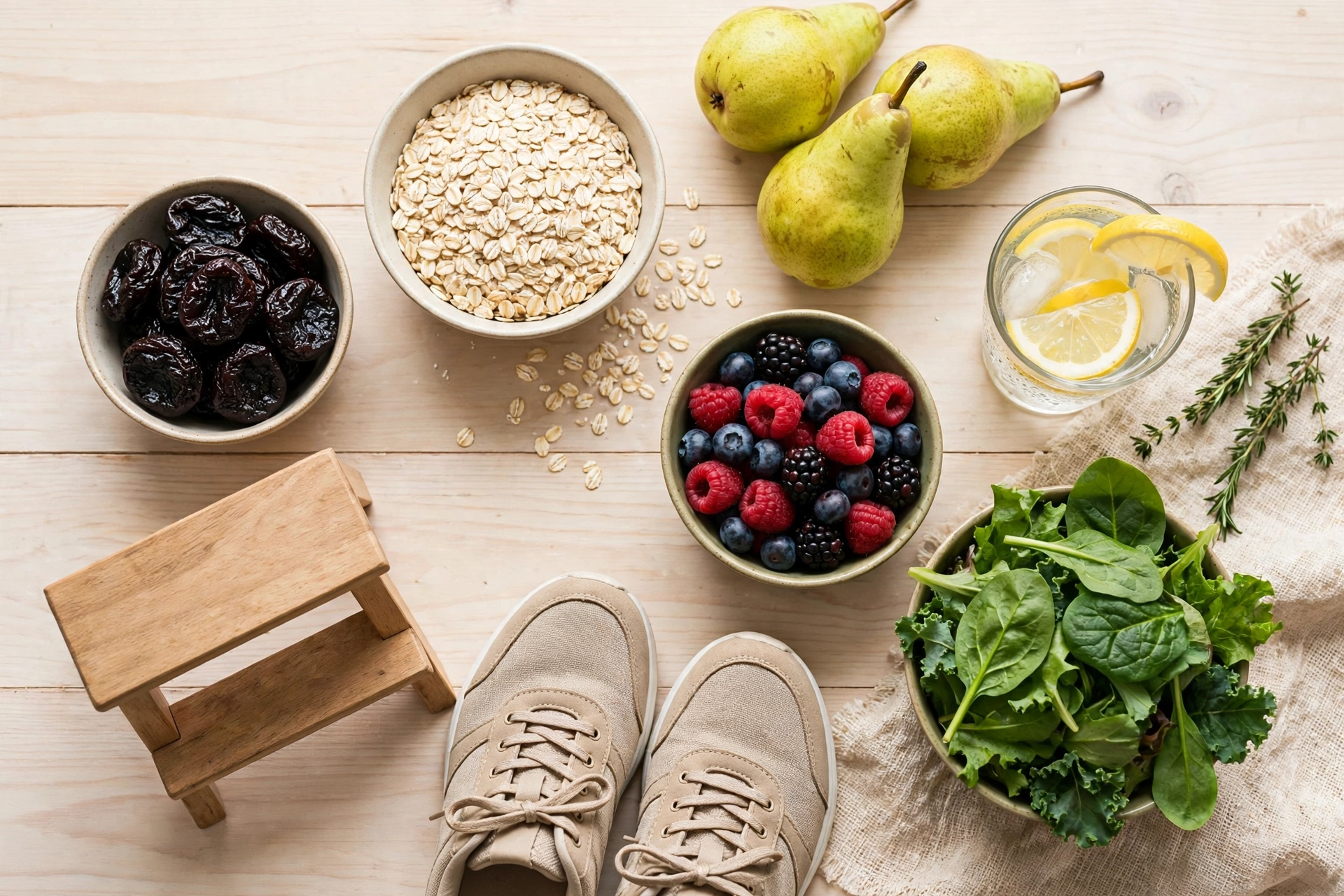
Fiber is the workhorse of natural constipation relief. It adds bulk to your stool and helps it hold water, which keeps things soft and moving. Most adults need roughly 25 to 35 grams of fiber a day, but the average American gets only about half that. Good sources include beans, lentils, oats, whole-grain bread, apples, pears, berries, broccoli, and leafy greens.
One warning: do not jump from almost no fiber to a huge amount overnight. That is a recipe for gas and cramps. Add one high-fiber food a day, and increase your water at the same time. Your gut will thank you for the gentle approach.
3. Try Prunes — the Old Remedy That Earned Its Reputation
Prunes are not glamorous, but they work. They are rich in fiber, and they also contain sorbitol, a natural sugar alcohol that draws water into the colon and gently stimulates movement. A small handful — about 5 to 6 prunes — once or twice a day is enough for most people. Prune juice works too if you prefer it; start with half a glass in the morning and see how you respond before having more.
4. Move Your Body Every Day
Movement is one of the most underrated constipation remedies there is. Walking, in particular, stimulates the muscles of your intestines and helps move stool along. You do not need a gym membership or an intense workout. A brisk 20 to 30 minute walk after meals is often enough to notice a difference within a day or two. Yoga can help as well — gentle twists and poses that compress and release the abdomen are surprisingly effective at waking up a sluggish gut.
5. Stop Ignoring the Urge
This one sounds obvious, but it matters more than people think. When you feel the urge to go, go. Holding it in — because you are busy, because you are in the car, because the bathroom is not “yours” — teaches your body to stop sending the signal clearly. Over time, the urge gets weaker and constipation gets worse. If your schedule makes this hard, try to build in a regular bathroom window each morning (more on that below) so your body learns when it is time.
6. Change Your Position With a Footstool
The way most of us sit on a modern toilet is not actually the best position for emptying the bowel. Squatting straightens the angle of the rectum and makes passing stool easier — it is how humans did it for most of history. A small footstool under your feet, with your knees raised above your hips, mimics that squat. It feels strange for about a day, and then it feels normal. Many people find this one change alone makes a real difference.
7. Let Your Morning Coffee Do Its Job
If you are a coffee drinker, you may have noticed that your morning cup often triggers the urge to go. That is not your imagination. Coffee stimulates contractions in the colon, and warm liquids in general can help get things moving. A cup of coffee or warm water with lemon first thing in the morning, followed by a few unhurried minutes in the bathroom, is a routine that works for a lot of people. Just remember to balance it with water, since coffee itself does not hydrate you.
8. Eat Probiotic Foods to Support Your Gut
Your gut is home to trillions of bacteria, and a healthy balance of them keeps digestion running smoothly. Fermented foods like yogurt with live cultures, kefir, sauerkraut, kimchi, and kombucha can help support that balance. You do not need expensive supplements to start — a daily serving of yogurt or a spoonful of sauerkraut with a meal is a reasonable first step. For a deeper look at how to keep your gut in good shape, see our guide on how to improve gut health naturally.
9. Add Magnesium-Rich Foods
Magnesium helps muscles relax, including the muscles of the digestive tract, and it also draws water into the intestines. Foods rich in magnesium include dark leafy greens, nuts and seeds, bananas, avocados, and dark chocolate. Some people find a magnesium supplement helps, but it is best to start with food, and to talk to your doctor before adding any supplement — especially if you have kidney problems or take other medication.
10. Start the Day With a Warm Drink
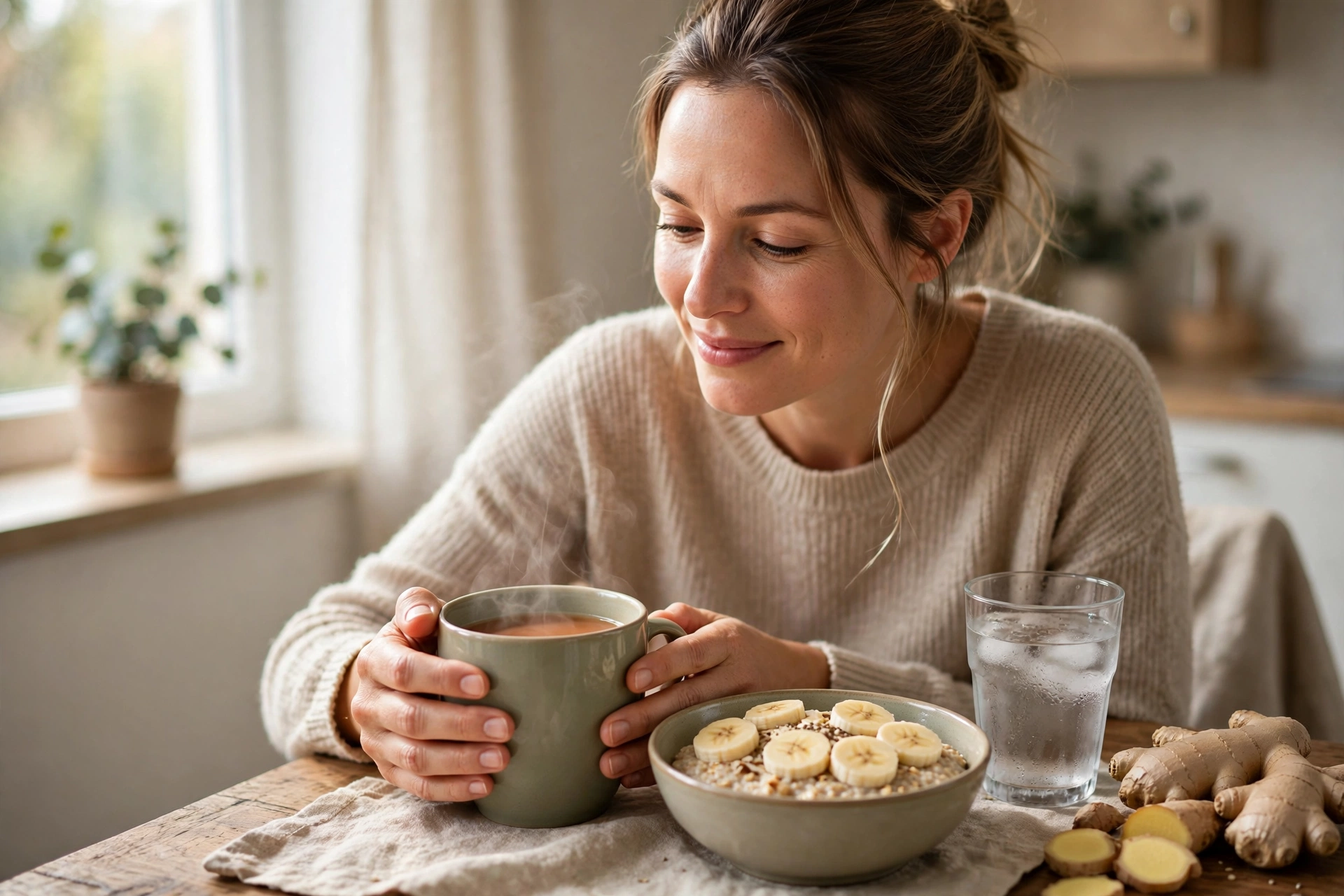
A glass of warm water, warm water with lemon, or herbal tea first thing in the morning can gently stimulate the digestive system. It is a simple habit, but many people swear by it, and it pairs well with the unhurried bathroom routine from tip 5. The warmth seems to help, and the water itself helps soften stool. Think of it as a wake-up call for your gut.
11. Keep a Regular Routine
Your digestive system runs partly on a clock. Eating meals at roughly the same times each day and giving yourself an unhurried bathroom visit at the same time each morning — ideally 20 to 30 minutes after breakfast, when the gastrocolic reflex is strongest — can train your body into a reliable pattern. The key word is unhurried. Scrolling on your phone for twenty minutes does not count as relaxing; the goal is to sit, breathe, and let your body do its thing without pressure.
12. Manage Stress and Sleep
Stress and constipation are more connected than most people realise. When you are stressed, your body diverts energy away from digestion, and gut motility slows down. Poor sleep makes it worse, because the gut follows your body’s daily rhythms. Even small steps help: a short walk outside, a few minutes of deep breathing before bed, a regular sleep schedule. These are not quick fixes, but they are the foundation that makes all the other remedies work better.
A Simple 3-Day Plan to Get Things Moving
If you want a clear starting point, here is a gentle three-day plan that combines the remedies above. It is not a detox or a cleanse — just a focused few days of giving your gut what it needs.
| Day | Morning | During the day | Evening |
|---|---|---|---|
| Day 1 | Warm water with lemon, 5 prunes with breakfast | Drink a glass of water with every meal, add a serving of beans or lentils at lunch | 20-minute walk after dinner, footstool in the bathroom |
| Day 2 | Coffee or warm tea, oatmeal with berries | Snack on an apple and a handful of almonds, keep the water bottle full | Yogurt with live cultures, unhurried bathroom time after breakfast routine |
| Day 3 | Warm water, whole-grain toast with avocado | Leafy green salad at lunch, a short walk after each meal | Early, relaxed dinner; aim for 7 to 8 hours of sleep |
Most people notice improvement within two to three days of this kind of routine. If nothing changes after a week of consistent effort, it is worth talking to your doctor.
Foods That Help vs. Foods That Can Make It Worse
Not all foods are equal when your digestion is sluggish. This quick comparison can guide your choices while things get back on track.
| Helps keep things moving | Can slow things down |
|---|---|
| Prunes, pears, apples, berries | White bread, white rice, pastries |
| Beans, lentils, chickpeas | Cheese and large amounts of dairy |
| Oats and whole grains | Processed meats and fast food |
| Leafy greens, broccoli, sweet potatoes | Fried foods |
| Yogurt, kefir, sauerkraut | Unripe bananas |
| Water, herbal tea, warm lemon water | Alcohol and too much caffeine |
Nobody needs to cut out the second column forever. But while you are constipated, leaning toward the first column for a few days can make a noticeable difference. And if bloating is part of the picture for you, our article on how to reduce bloating naturally covers that side of things in more detail.
When to See a Doctor
Natural remedies handle most occasional constipation. But some situations need medical attention, and it is important to know them:
- Constipation that lasts more than three weeks despite diet and lifestyle changes
- Blood in your stool, or stools that are black and tarry
- Sudden, severe abdominal pain or vomiting
- Constipation that starts suddenly with no obvious cause, especially after age 50
- Unintentional weight loss along with bowel changes
- A family history of colon cancer or inflammatory bowel disease
These do not mean something serious is wrong — most of the time it is not — but they are the signs a doctor should check. Do not feel embarrassed about bringing it up. Doctors hear about bowel habits every single day, and catching a problem early is always better than waiting.
Frequently Asked Questions
How long does it take for natural remedies to work?
It depends on the remedy and on you. Water and movement can help within a day. Fiber and prunes usually take one to three days to show results. Probiotic foods and routine changes take a little longer — a week or two of consistency. If you are doing several things at once, most people feel better within three to five days.
Is it safe to use laxatives?
Occasional use of a gentle, over-the-counter laxative is generally safe for most adults, but they are not meant to be a long-term solution. Stimulant laxatives in particular can make your bowel dependent on them if used too often. If you find yourself needing a laxative every week, that is a sign to talk to your doctor about the underlying cause.
Can constipation cause back pain?
Yes, it can. A full, distended bowel can press on nearby nerves and muscles, and straining on the toilet can tighten the muscles in your lower back and pelvis. Relieving the constipation usually relieves the back pain too, but if back pain persists after your digestion is back to normal, get it checked separately.
What is the best fruit for constipation?
Prunes are the best studied, but pears, apples, kiwis, and berries are all excellent because they combine fiber with water and, in the case of pears and apples, sorbitol. A good habit is to eat one or two servings of these fruits every day rather than reaching for them only when you are already uncomfortable.
Does drinking more water really help?
Yes, but only as part of the picture. Water softens stool, but without enough fiber, there is not much bulk to move along. And without movement, even soft stool can sit still. Water, fiber, and movement work as a team — that is why the combination matters more than any single remedy.
The Bottom Line
Learning how to treat constipation naturally is less about finding one magic food and more about stacking a few simple habits: drink enough water, eat fiber gradually, move every day, answer the call when it comes, and give yourself an unhurried morning routine. Most of the time, that is genuinely all it takes. Your gut is not complicated — it just wants consistency. Give it a few days, be patient with yourself, and if things do not improve, talk to your doctor. There is nothing embarrassing about it, and there is no reason to suffer in silence.
Disclaimer: This article is for informational purposes only and is not medical advice. If you have a health condition or concerns, please consult a qualified healthcare professional.
For more information about constipation, see the NHS guide to constipation.