





If your doctor has ever looked at your blood pressure reading, paused, and said “we should keep an eye on this,” you know the feeling. It’s not panic exactly — more a quiet worry that follows you home.
Here’s the good news: for a lot of people, blood pressure isn’t a fixed number. It responds to everyday choices — what you eat, how you move, how you sleep. Learning how to lower blood pressure naturally doesn’t mean overhauling your whole life overnight. It means stacking a few small changes that actually stick. If you’re already on blood pressure medication, don’t stop it — these habits work alongside your treatment.
What “High” Actually Means
Blood pressure is measured in two numbers: the top one (systolic) is the pressure when your heart beats, and the bottom one (diastolic) is the pressure between beats. Normal is usually under 120/80, and once you regularly creep above 130/80, doctors call it high blood pressure, or hypertension.
The tricky part is that it usually has no symptoms. You can feel perfectly fine while your arteries are quietly under strain, day after day — which is why it’s called the silent killer. The encouraging part: lifestyle changes can move the numbers. Research shows the right habits can lower systolic pressure by 10 points or more, roughly what a single medication can do.
1. Cut the Salt — But Do It Smartly
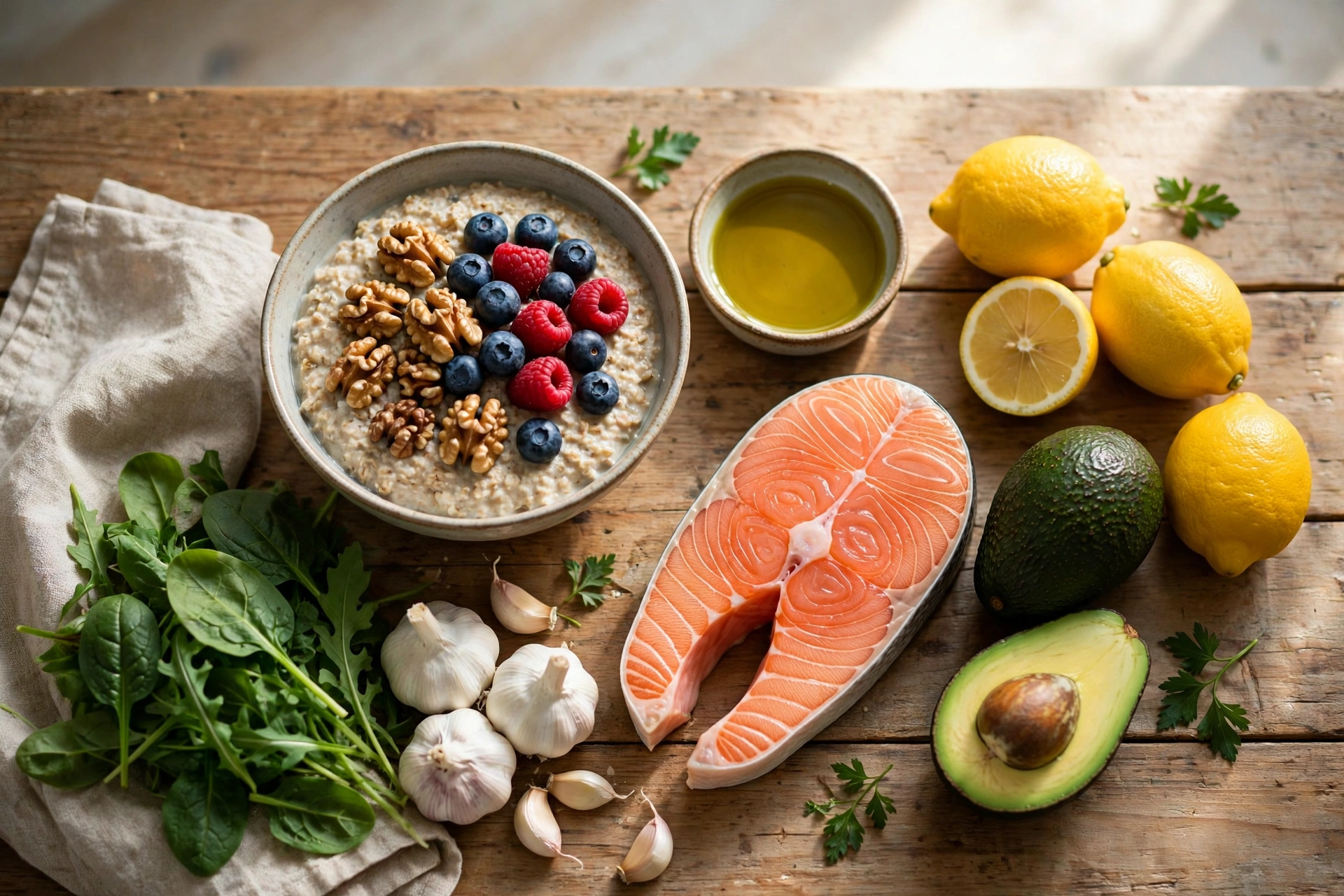
Most of us eat far more salt than we realise, and most of it doesn’t come from the salt shaker. It hides in bread, sauces, processed meats, takeaways and ready meals. You don’t need bland food — cook with herbs, garlic, lemon and spices instead of reaching for the salt first, and check labels: anything over 1.5g of salt per 100g is high. Eat out less often, since restaurant food is usually saltier than home cooking, and give your taste buds two weeks to adjust. Even a modest cut — around a teaspoon less per day — can make a real difference within a few weeks.
2. Move Your Body Every Day (It Doesn’t Have to Be a Workout)
You don’t need a gym membership or a marathon training plan. Regular, moderate movement is one of the most reliable ways to bring blood pressure down. Brisk walking is the easiest place to start: thirty minutes a day, five days a week, is the classic target, but even ten-minute chunks count. Try this simple habit: a short walk after meals. Cycling, swimming or dancing work just as well, and these yoga poses for heart health are another gentle place to begin. The best exercise is the one you’ll actually do tomorrow.
3. Eat More of the Foods That Help
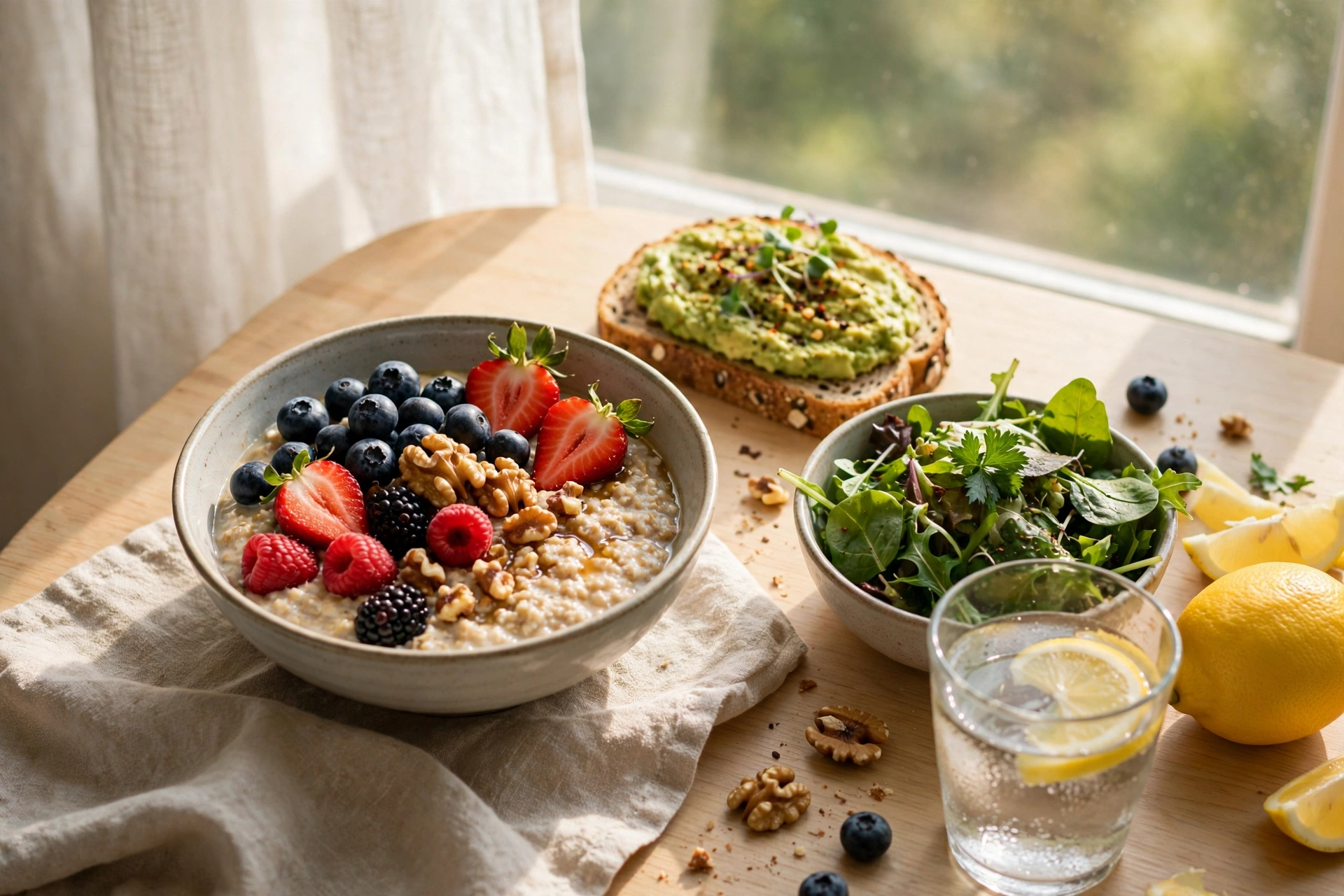
There’s no single magic food, but there is a pattern that keeps showing up in the research: plenty of fruit and vegetables, whole grains, beans, nuts, fish and low-fat dairy — and less processed food, red meat and sugary drinks. It’s the approach behind the DASH diet, one of the most studied eating plans for blood pressure. A few foods that deserve a regular spot on your plate:
- Leafy greens like spinach and kale — rich in potassium, which helps balance sodium.
- Beetroot — its natural nitrates help blood vessels relax.
- Berries, especially blueberries — linked to healthier arteries.
- Oats — the soluble fibre helps with cholesterol too.
You don’t need to eat all of these every day. Just crowd your plate with more of them and let the processed stuff shrink on its own.
4. Watch the Alcohol (Honestly)
Alcohol and blood pressure have a straightforward relationship: the more you drink, the higher it tends to go. Even a couple of drinks a day can push readings up. If you drink, try keeping it moderate — generally up to one drink a day for women and up to two for men — and build in a few alcohol-free days each week. Many people are surprised how quickly their morning readings improve once they cut back.
5. Quit Smoking — Your Arteries Will Thank You
Every cigarette temporarily spikes your blood pressure and stiffens your arteries, and over years that damage adds up. The encouraging news is that quitting starts helping fast: within weeks, your circulation improves, and over time your risk drops dramatically. Quitting is hard — nobody honest will tell you otherwise — but it’s the single most powerful thing a smoker can do for their heart. Nicotine replacement or a quit programme raises your chances, so ask your doctor or pharmacist what’s available.
6. Lose a Little Weight (If You Need To)
You don’t need to reach some ideal weight from a chart. Even losing 5% of your body weight — say, 4 or 5 kilos if you weigh 90 — can lower your blood pressure noticeably, and belly fat in particular is linked to higher readings. The trick is not to crash diet. Small, sustainable changes — smaller portions, fewer sugary drinks, more home cooking, a daily walk — beat a two-week extreme plan every time. Slow weight loss that stays off is worth far more than fast weight loss that comes straight back.
7. Sleep Like It Matters (Because It Does)
Short, broken sleep pushes blood pressure up. People who regularly sleep less than six hours a night tend to have higher readings, and sleep apnoea — loud snoring with pauses in breathing — is a common hidden cause of stubborn high blood pressure. A few things that genuinely help: keep a regular sleep and wake time, even on weekends; stop scrolling in bed; keep the bedroom cool, dark and quiet. If you snore heavily or wake up gasping, mention it to your doctor — sleep apnoea is very treatable.
8. Find a Way to Unwind That Isn’t a Screen
Stress doesn’t just feel bad — it raises blood pressure in the moment, and chronic stress keeps it elevated. You can’t eliminate stress, but you can change how your body carries it. What works is personal: a walk in the park, slow breathing, prayer, gardening, music, or ten quiet minutes with a cup of tea. The key is that it’s deliberate — a real pause, not just collapsing in front of a screen. Even five minutes of slow, deep breathing a day can nudge your readings down over time.
9. Drink Enough Water
Dehydration makes your blood thicker and your blood vessels work harder, which can raise your pressure. It’s a small thing, but it’s an easy one to fix. Keep a bottle nearby and sip through the day rather than gulping a litre at once. If you’re not sure how much you actually need, this practical hydration guide breaks it down without the usual “eight glasses” myth. And if you’re cutting back on sugary drinks, water is the obvious replacement — your blood pressure and your waistline both win.
10. Measure at Home — and Track It
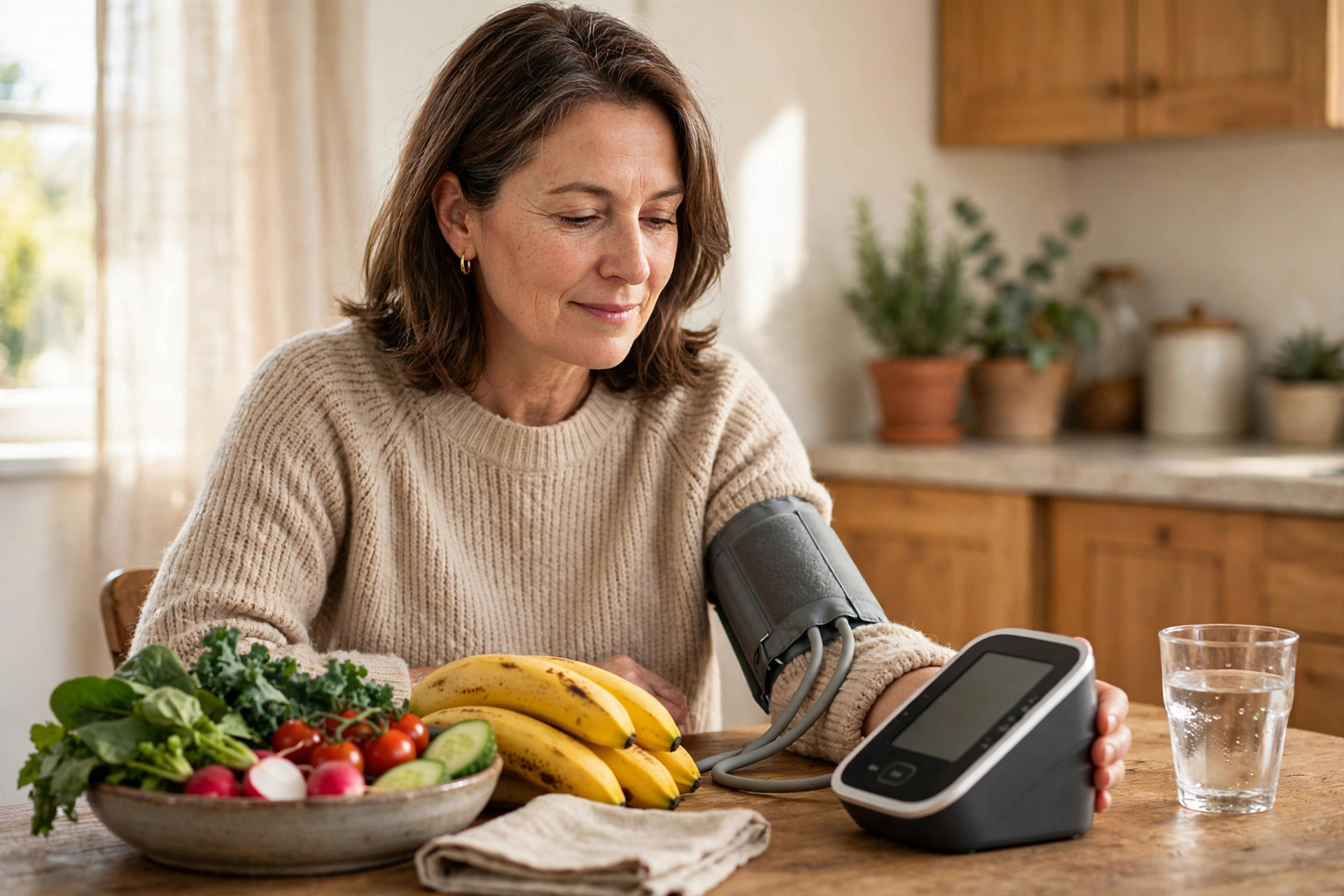
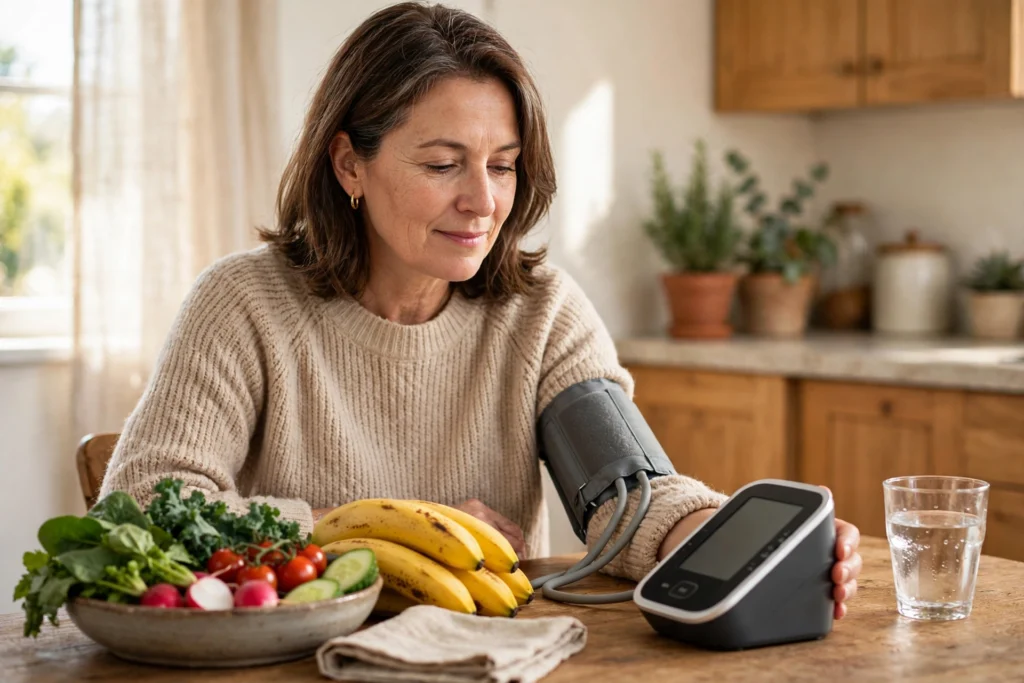
Here’s the habit that ties everything together: check your own blood pressure at home. A home monitor is inexpensive, and it gives you something a clinic visit can’t — a pattern. Take readings at the same time each day, sitting down, feet flat, after five minutes of rest, and don’t measure right after exercise, coffee or an argument. Write the numbers down or use an app. When you can see your numbers slowly improving, you stay motivated — and if they aren’t moving, you have real data to show your doctor.
How to Lower Blood Pressure Naturally — and Keep It Down
Some changes show up fast — cutting salt and alcohol can move readings within a couple of weeks. Others, like weight loss and fitness, take a month or two. That’s normal: blood pressure is a long game.
Don’t try to do all ten things tomorrow. Pick two or three that feel easiest and start there; once they feel normal, add another. That’s how to lower blood pressure naturally in real life — not in a dramatic overhaul, but in small choices repeated until they become who you are. Your future self, with a healthier heart and steadier numbers, will be glad you started today.
Disclaimer: This article is for informational purposes only and is not medical advice. If you have a health condition or concerns, please consult a qualified healthcare professional.