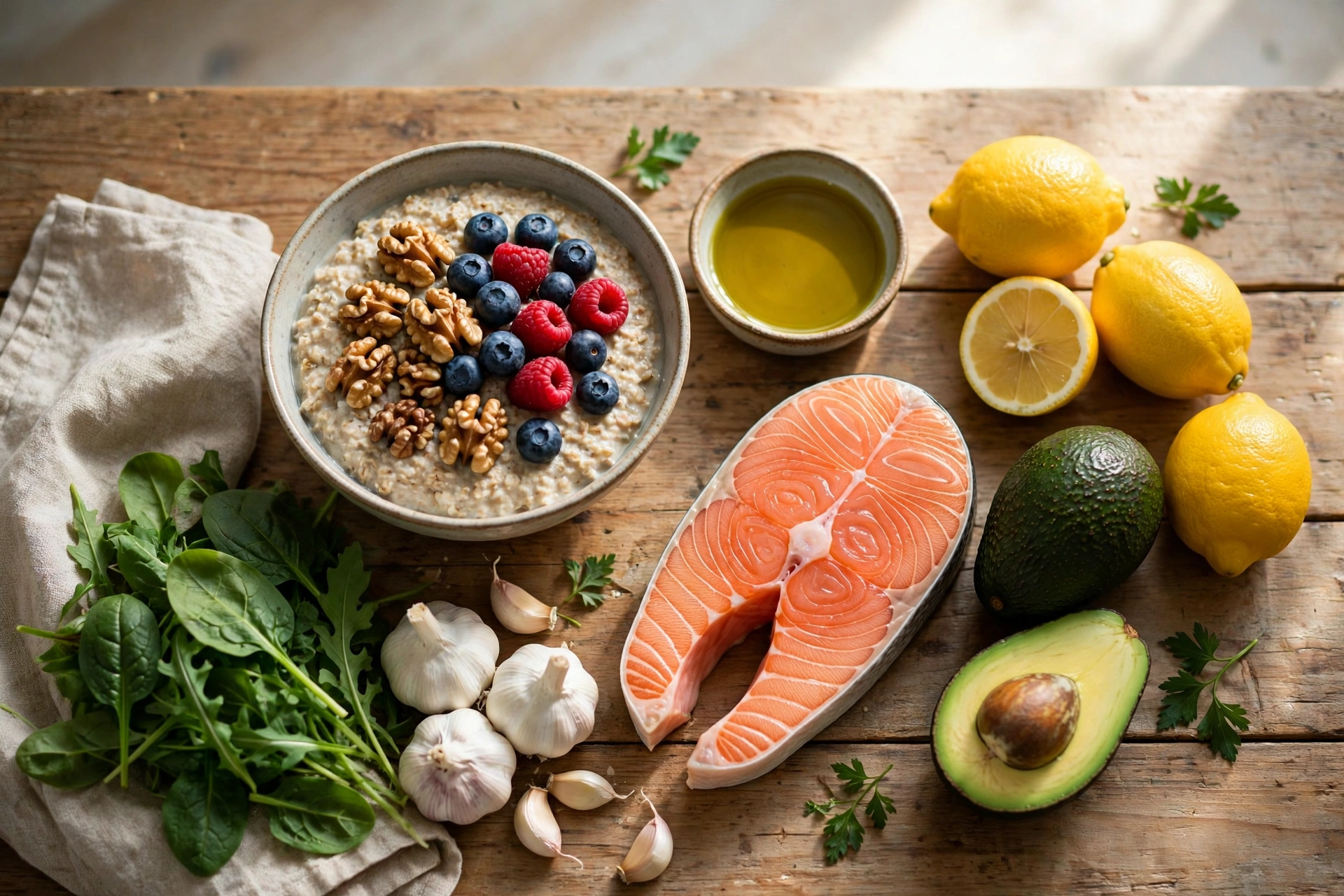









You know that 3 PM crash? The one where your energy falls off a cliff, your brain goes foggy, and suddenly a biscuit — or five — feels like the only answer? For a lot of us, that’s blood sugar doing its rollercoaster thing. And learning how to lower blood sugar naturally isn’t about giving up everything you enjoy. It’s about a handful of small, steady habits that smooth out the ride.
Blood sugar, or glucose, is simply the fuel your body runs on. It comes mostly from the carbohydrates you eat. The problem isn’t glucose itself — you need it. The problem is the sharp spikes and crashes. Big spikes over time wear down your body’s ability to handle sugar properly, and that’s the road toward prediabetes and type 2 diabetes. The good news? Everyday choices move the numbers more than most people realise.
First, a Quick Look at What’s Happening
When you eat, your blood sugar rises. Your pancreas releases insulin, which helps move that sugar into your cells for energy. Simple, right? But when meals are heavy on refined carbs and sugar — white bread, fizzy drinks, big plates of rice with nothing else — the sugar floods in fast. Insulin scrambles to keep up, and a few hours later your sugar can dip low, leaving you tired, hungry and craving more of the same.
How to Lower Blood Sugar Naturally, One Habit at a Time
1. Take a Short Walk After Meals
If you only change one thing, make it this one. A gentle 10 to 15-minute walk after eating helps your muscles soak up glucose from your blood — no insulin workout required. It sounds too simple to matter, but studies keep showing the same thing: post-meal walks noticeably flatten the blood sugar spike.
You don’t need trainers or a route planned. Walk around the block, do a slow lap of the garden, or even pace around the house while you listen to something. If you want the full story on why this works so well, here’s a closer look at walking after meals and how to build it into your day.
2. Cut Back on Sugary Drinks First
Of all the sugar in a typical diet, drinks are the sneakiest. A single can of fizzy drink can carry around 35 grams of sugar — and because it’s liquid, it hits your bloodstream in minutes, with nothing to slow it down. Fruit juice isn’t much better, even the “100% natural” kind.
This is the easiest win on the list:
- Swap fizzy drinks for sparkling water with a squeeze of lemon
- Keep a bottle of water on your desk so you’re not reaching for a can out of habit
- If you take sugar in tea or coffee, cut it by half for a week — your taste buds adjust faster than you’d think
If sugar has a real grip on you, this guide on how to quit sugar in 21 days walks through a realistic plan that doesn’t rely on willpower alone.
3. Eat More Fiber — It Slows Everything Down
Fiber is your best friend when it comes to blood sugar. It slows down digestion, so the sugar from your food enters your blood gradually instead of all at once. Think of it as a speed bump for your meals.
Aim to add fiber to every meal, not just breakfast:
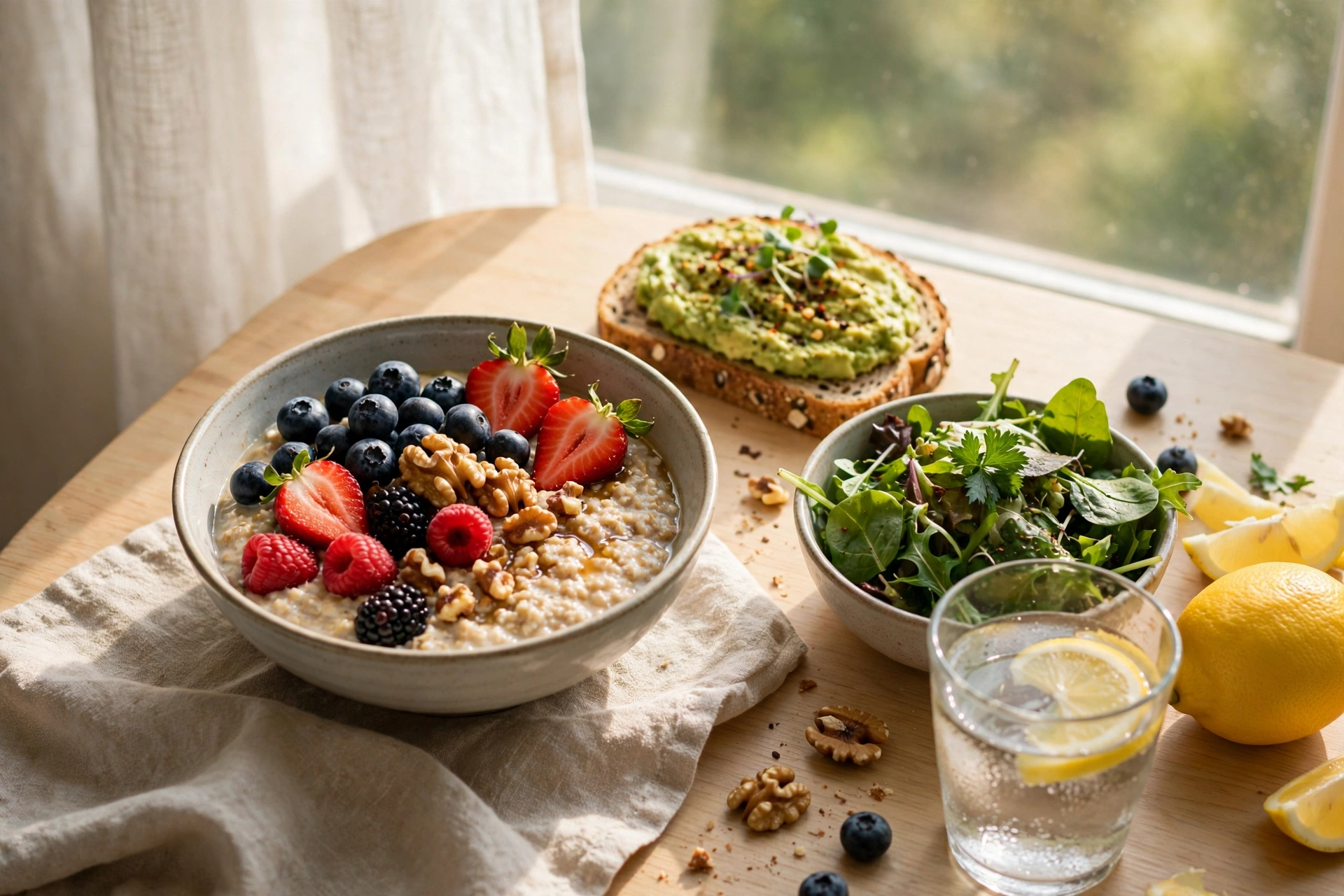
- Start the day with oats, or add a spoonful of chia seeds to your yogurt
- Fill half your plate with vegetables — salad, stir-fry, roasted veg, whatever you like
- Swap white rice and white bread for brown rice, whole wheat bread, lentils or beans a few times a week
- Snack on an apple with a handful of nuts instead of biscuits
Most people get far less fiber than they need. Here’s how to add more fiber without the bloating.
4. Build Your Plate in the Right Order
Here’s a trick that costs nothing: eat your vegetables and protein first, and the starchy carbs last. It sounds odd, but the order you eat in actually changes how fast your blood sugar rises. Fiber and protein slow down digestion, so by the time the rice or bread arrives, your body handles it far more calmly.
A practical plate looks like this:
- Half vegetables or salad
- A quarter protein — chicken, fish, eggs, lentils, beans or tofu
- A quarter starchy food — rice, bread, potatoes or pasta
And eat slowly — it takes about 20 minutes for your brain to register fullness, so rushing usually means eating more than you need.
5. Add Some Strength Work to Your Week
Muscle is like a sponge for blood sugar. The more muscle you have, the more glucose your body can store and use, even when you’re resting. You don’t need a gym membership or heavy weights to get this benefit.
Two or three short sessions a week is enough to start:
- Bodyweight squats, wall push-ups and lunges at home
- Resistance bands if you have them — cheap and easy on the joints
If you’ve never done strength work before, start light. Ten minutes is a fine beginning.
6. Get Proper Sleep — Your Blood Sugar Depends on It
One bad night’s sleep can make your body handle sugar noticeably worse the next day. Just one. When you’re short on sleep, your cells become less sensitive to insulin, and your hunger hormones go haywire — you crave sweet, starchy food and feel less satisfied after eating it.
It’s a vicious circle, but it’s fixable:
- Aim for 7 to 9 hours, and try to keep the same bedtime most nights
- Dim the lights and put the phone away 30 minutes before bed
7. Don’t Let Stress Run the Show
Stress isn’t just a mood — it’s a physical event. When you’re stressed, your body releases cortisol, which tells your liver to pump extra glucose into your blood. It made sense when stress meant running from danger. It makes less sense when stress means emails and traffic.
You can’t remove all stress, but you can lower its effect:
- Five slow, deep breaths before a meal genuinely help
- A short walk outside, even ten minutes, resets more than scrolling ever will
8. Drink Water Before You Reach for a Snack
Mild dehydration can make blood sugar look worse on a test, and it also mimics hunger — plenty of people eat when what they actually needed was a glass of water. Keep water nearby through the day and drink a glass before meals.
9. Know Your Numbers — and When to Get Help
Healthy habits are powerful, but they’re not a substitute for medical care. If you have symptoms like constant thirst, needing to urinate a lot, unexplained tiredness or blurry vision, see a doctor — a simple blood test can tell you where you stand, and catching high blood sugar early makes it far easier to turn around.
If you’ve already been told you have prediabetes or diabetes, learning how to lower blood sugar naturally still helps — but follow your doctor’s plan, take any prescribed medicine, and don’t stop treatment just because the numbers look better.
A Simple Way to Start This Week
Don’t try all nine at once. Pick three and start there:
- Walk for 10 minutes after your biggest meal of the day
- Swap one sugary drink a day for water or sparkling water
- Add vegetables to half your plate at dinner
Do that for two weeks, then add the next habit. Blood sugar didn’t get out of balance overnight, and it won’t settle overnight either — but give it a month of steady effort and most people feel the difference long before their next blood test shows it.
Disclaimer: This article is for informational purposes only and is not medical advice. If you have a health condition or concerns, please consult a qualified healthcare professional.