




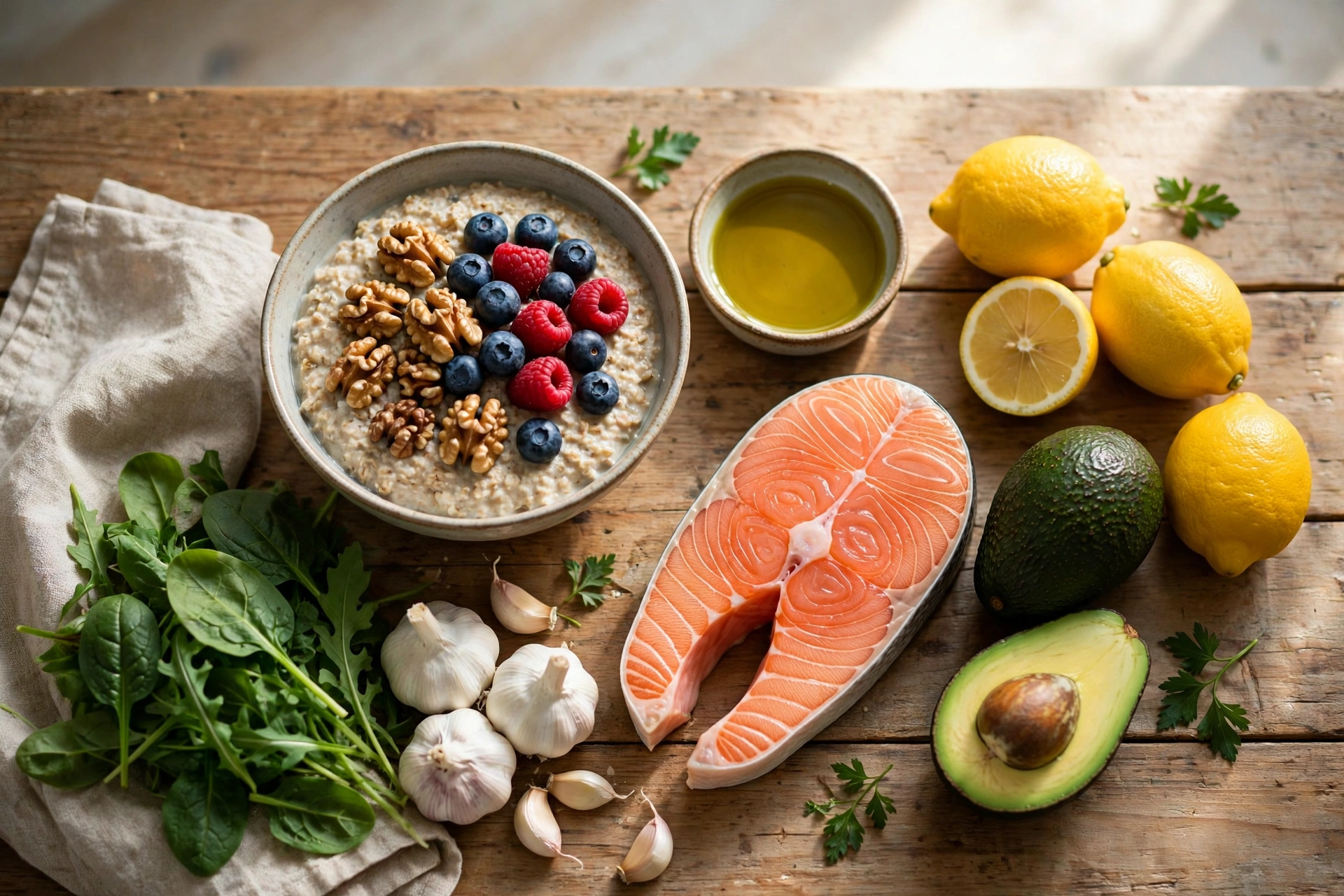
Getting a high cholesterol result back from the doctor can feel like a punch in the gut. Here’s the good news most people don’t hear: learning how to lower cholesterol naturally is genuinely possible, and it doesn’t require a miserable diet or hours in the gym. Small, steady changes — the kind you can actually stick to — move the numbers more than most people expect.
Cholesterol isn’t the villain it’s often made out to be. Your body needs it. The problem starts when there’s too much of the “bad” kind floating around. Let’s walk through what works, without the scare tactics.
What Is Cholesterol — and How to Lower Cholesterol Naturally?
Think of cholesterol as a waxy substance your liver makes — and that you also get from food. It travels through your blood in two main forms. LDL, often called “bad” cholesterol, drops fatty deposits on your artery walls. HDL, the “good” kind, helps carry the excess away. When LDL climbs too high, those deposits build up, arteries narrow, and your risk of heart disease and stroke goes up.
Doctors usually flag total cholesterol above 200 mg/dL, or LDL above 100 mg/dL, as a reason to act. The exact target depends on your age and overall health. But whatever your number is, the habits below help almost everyone.
1. Eat More Soluble Fiber
If there’s one change that gives you the most bang for your buck, this is it. Soluble fiber acts like a sponge in your gut — it grabs cholesterol and carries it out of your body before it can be absorbed.
Easy ways to get more of it:
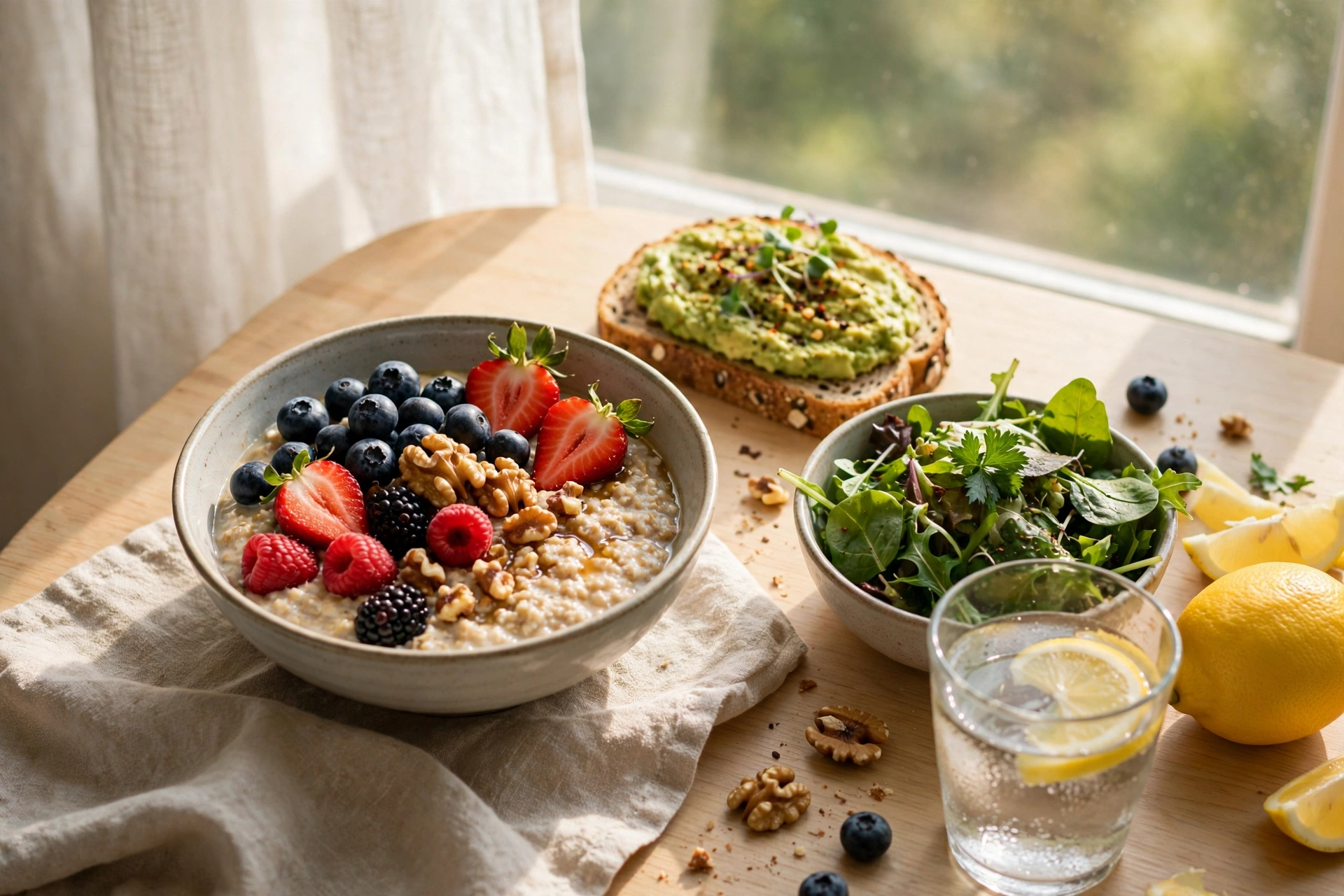
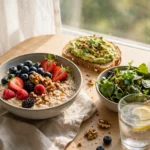
- Start the day with oatmeal or oat bran instead of a sugary cereal
- Add beans, lentils, or chickpeas to at least one meal a day
- Snack on apples, pears, or a handful of berries
- Sprinkle ground flaxseed into smoothies or yogurt
Aim for around 5 to 10 grams of soluble fiber a day. That’s roughly a bowl of oatmeal plus a cup of beans — very doable, and this guide on why fiber matters shows how to add it without the bloating.
2. Swap the Fats on Your Plate
Not all fat is the enemy. The real troublemakers are saturated fats and trans fats — the kind hiding in fatty cuts of meat, butter, full-fat cheese, pastries, and deep-fried food. They push LDL up directly.
You don’t have to give up flavor. Just trade — and if you want the full picture, here’s how the wrong fats affect your heart over time:
- Butter → olive oil or avocado oil for cooking
- Fatty beef → fish, chicken, or plant-based protein a few nights a week
- Creamy dressings → a simple olive oil and lemon dressing
- Chips and pastries → a small handful of nuts
Speaking of nuts, walnuts and almonds are genuinely great for your heart. A small handful a day — about 30 grams — has been linked to lower LDL. They are calorie-dense, though, so a handful, not a whole bag in front of the TV.
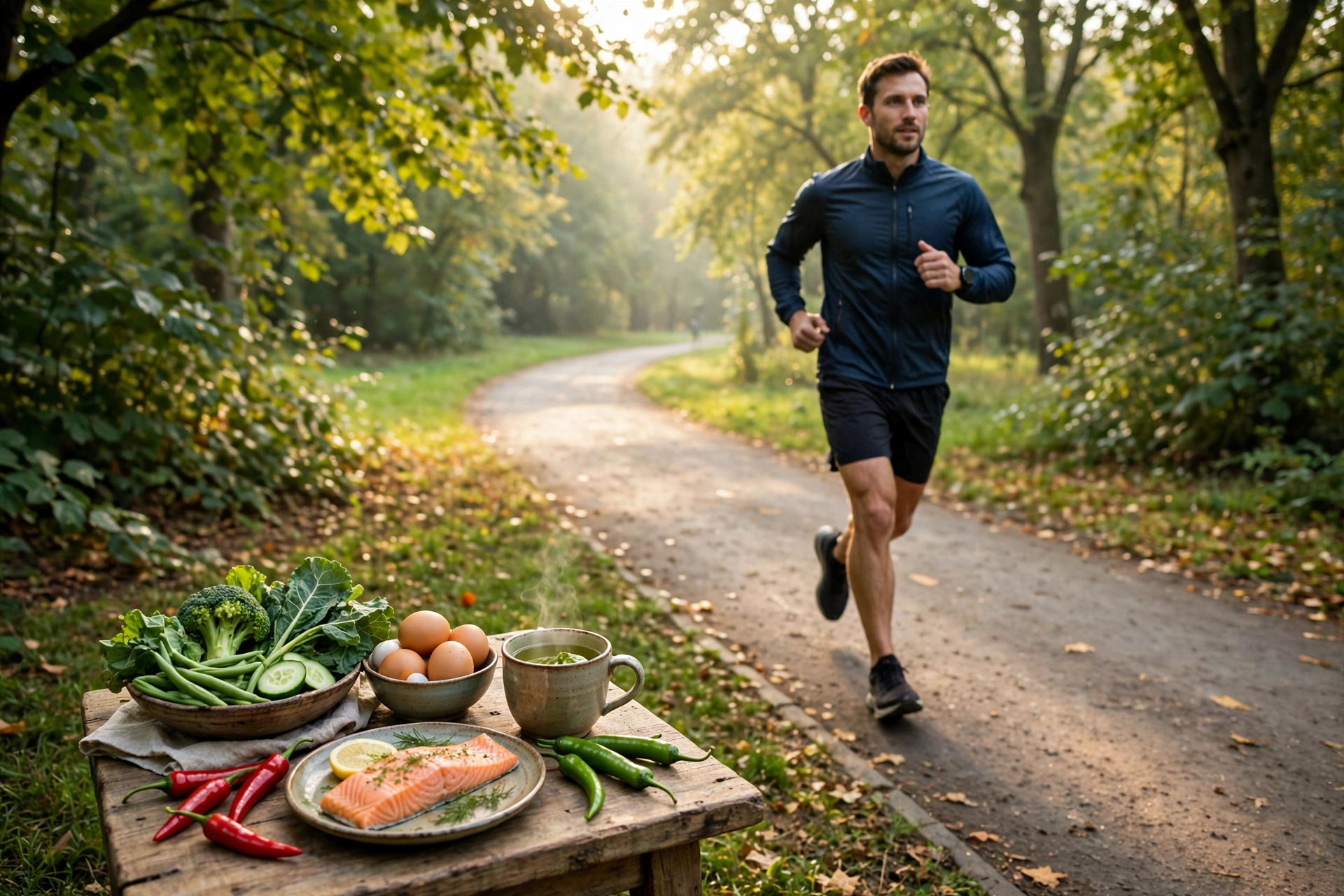
3. Eat Fatty Fish Twice a Week
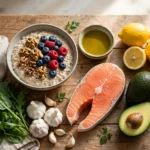
Salmon, sardines, mackerel, and trout are rich in omega-3 fatty acids. They lower triglycerides (another type of blood fat) and reduce inflammation — and that combination protects your heart.
If fish isn’t your thing, walnuts, flaxseeds, and chia seeds offer a plant-based source of omega-3s. They help, just not as strongly as the fish versions.
4. Move Your Body — Even a Little Counts
Here’s the part most people overcomplicate. You don’t need to train for a marathon. Regular movement raises HDL — the good cholesterol — and helps your body use LDL better. Regular movement is one of the simplest ways to lower cholesterol naturally.
- A brisk 30-minute walk, five days a week, is enough to make a real difference
- Break it up if you need to: three 10-minute walks count just as much
- Add two days of light strength work — bodyweight squats, resistance bands, or light dumbbells
5. Lose a Little Weight — Not a Lot
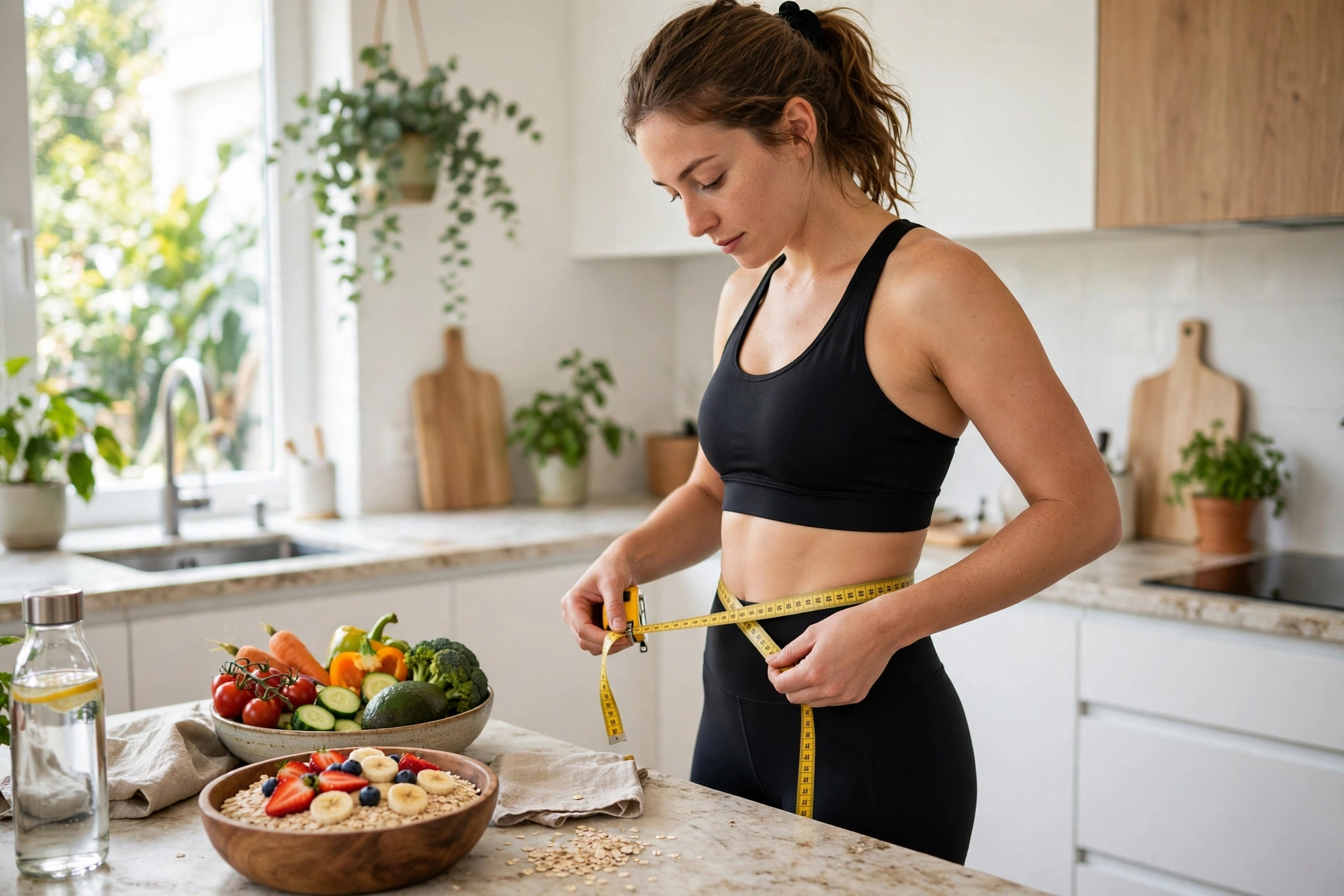
This one surprises people. You don’t need to reach some “ideal” weight. Losing just 5 to 10 percent of your body weight — say 4 to 8 kilos if you weigh 80 — can lower LDL noticeably and raise HDL at the same time.
The trick is losing it slowly and keeping it off. Crash diets backfire: the weight comes back, and so does the cholesterol. Focus on smaller portions, fewer sugary drinks, and cooking at home more often.
6. Quit Smoking — Your Arteries Will Thank You
Smoking does two nasty things at once: it lowers your good HDL cholesterol and damages artery walls, making it easier for LDL to stick. The moment you quit, HDL starts to recover — often within weeks.
7. Go Easy on Alcohol
A little alcohol now and then isn’t the end of the world, but regular heavy drinking raises triglycerides and adds empty calories that make weight loss harder. If you drink, keep it moderate — up to one drink a day for women and two for men, and try to keep a few alcohol-free days in the week.
8. Add Plant Sterols and Stanols
These are natural compounds found in plants that block some cholesterol from being absorbed. You can find them in fortified foods like certain spreads and yogurts. About 2 grams a day can cut LDL by roughly 10 percent — a useful extra, not a replacement for the food changes above.
9. Sleep Well and Stress Less
This is the habit nobody talks about. Poor sleep and chronic stress push your body to make more LDL and make it harder to stick to healthy eating. When you’re exhausted, you reach for comfort food and skip the walk. It’s not a willpower problem — it’s biology.
- Aim for 7 to 9 hours of sleep a night and keep a regular bedtime, even on weekends
- Try a short wind-down routine: dim lights, no screens for the last 30 minutes, a few slow breaths
- For stress, even five minutes of deep breathing or a short walk outside helps more than you’d think
If your heart health matters to you, it’s worth reading up on the nutrients that support it, too — some vitamins play a direct role in keeping your heart and arteries healthy.
10. Know When Food and Habits Aren’t Enough
Let’s be honest: for some people, lifestyle changes alone won’t get the numbers where they need to be. Genetics plays a big role — some families simply make more cholesterol, no matter how clean they eat. That’s not a failure. That’s biology.
If your LDL stays high after a few months of honest effort, or if you already have heart disease, your doctor may suggest medication like a statin. That doesn’t mean the habits were wasted — they make the medicine work better, and they protect you in ways no pill can.
A Simple Way to Start This Week
Don’t try all ten habits at once — learning how to lower cholesterol naturally works best one step at a time. Pick two or three and start there:
- Swap butter for olive oil and add oatmeal to your breakfast
- Walk 30 minutes a day, even split into chunks
- Eat fish twice this week and snack on nuts instead of chips
Do that for a month, then add the next habit. Cholesterol didn’t climb overnight, and it won’t fall overnight either — but give it three months of steady effort and most people see a real change on their next blood test.
Disclaimer: This article is for informational purposes only and is not medical advice. If you have a health condition or concerns, please consult a qualified healthcare professional.