







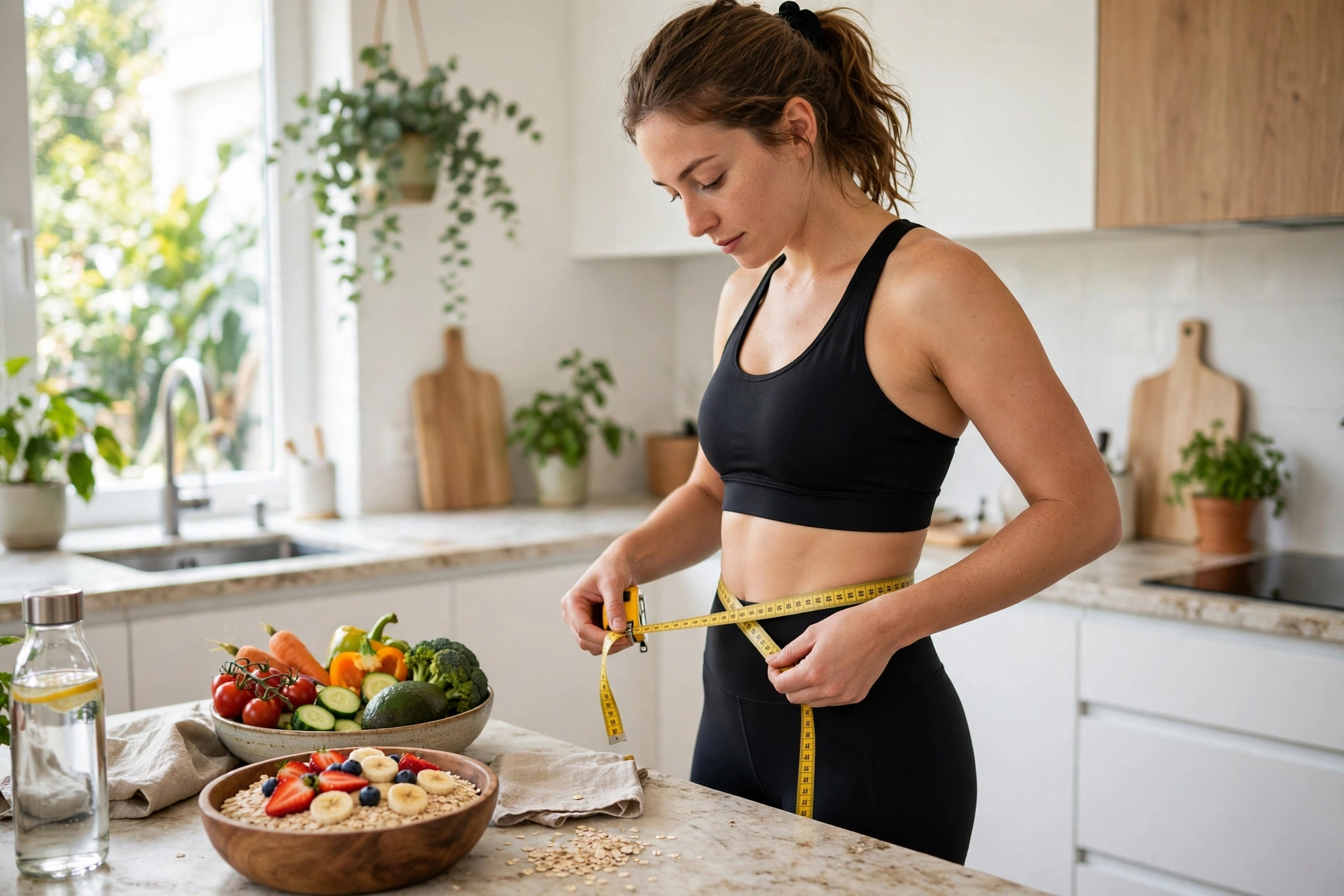
If your jeans feel tighter around the waist than they used to, you’re not alone. Belly fat is one of the most common frustrations people mention when they talk about getting healthier — and one of the most misunderstood. The good news? You don’t need a crash diet, a juice cleanse, or a thousand crunches a day. Learning how to lose belly fat naturally comes down to a handful of steady habits that work together over time.
Here’s the honest truth first: you can’t target belly fat directly. No food burns it from one spot, and no exercise melts it from your waist alone. What you can do is help your body gradually use stored fat — including the deep visceral fat around your organs — through everyday choices, not extreme ones.
Why Belly Fat Matters More Than the Mirror
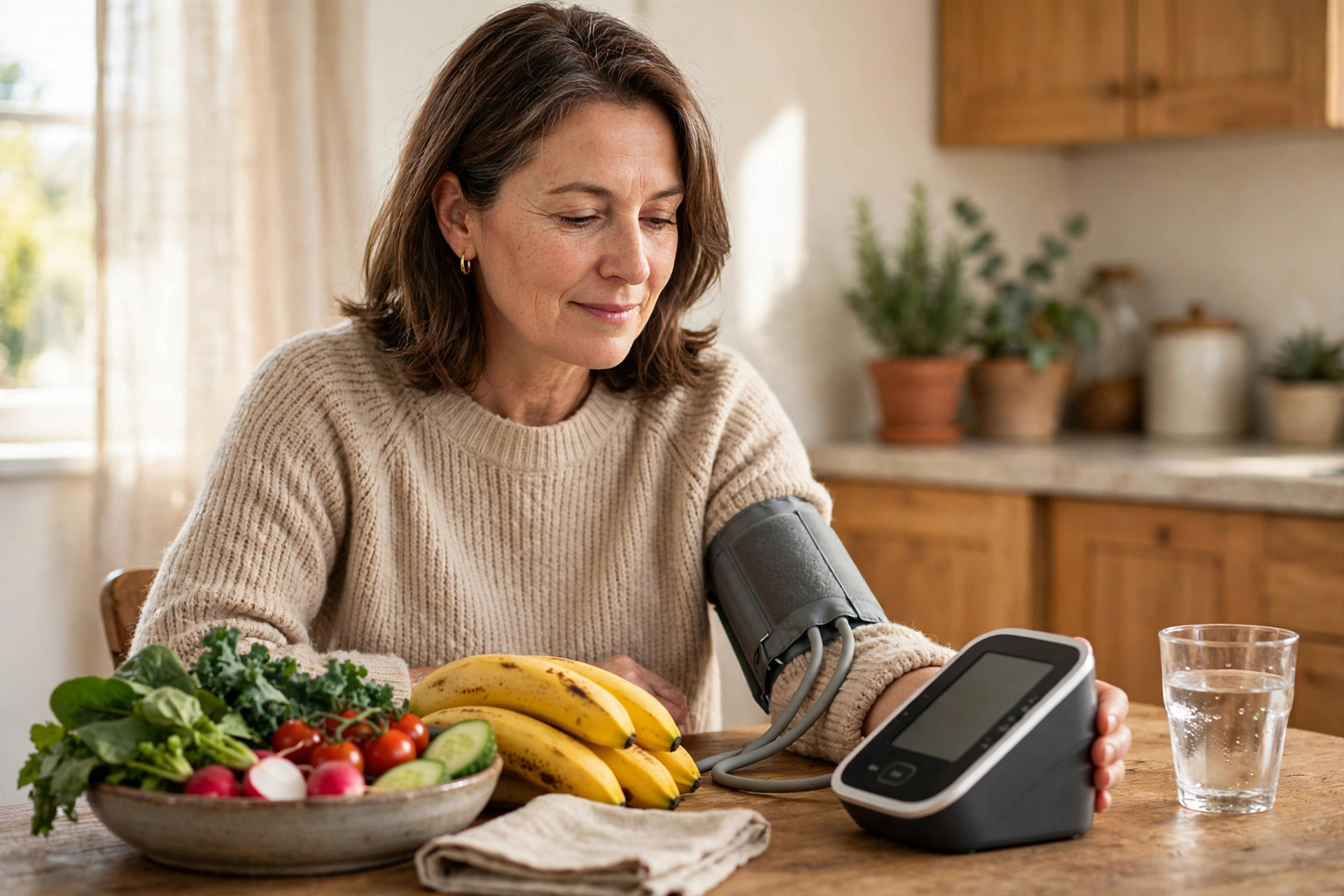
Not all body fat behaves the same way. The soft fat you can pinch is subcutaneous fat. The deeper kind, visceral fat, wraps around your liver and intestines, and too much of it is linked to higher risks of type 2 diabetes, heart disease, and high blood pressure.
The encouraging part: even a modest reduction can improve your blood sugar, blood pressure, and energy. You don’t need a six-pack to get the health payoff.
How to Lose Belly Fat Naturally Without Crash Diets
Forget the 30-day shreds. The approach below is built for real life: busy schedules, real food, and the occasional slice of birthday cake. Each habit helps a little on its own; together, they add up to real change.
1. Eat in a Small, Sustainable Calorie Deficit
Fat loss starts with eating slightly fewer calories than your body burns — not drastically fewer. A modest deficit of around 300–500 calories a day is enough for most people to lose fat steadily without feeling miserable or constantly hungry.
The easiest way to do this isn’t counting every crumb. Shrink portions a little, eat more slowly, and stop when you’re about 80% full — your body needs roughly 20 minutes to register fullness.
2. Make Protein the Centre of Every Meal
Protein keeps you full for longer, helps preserve muscle while you lose fat, and takes more energy to digest than carbs or fat.
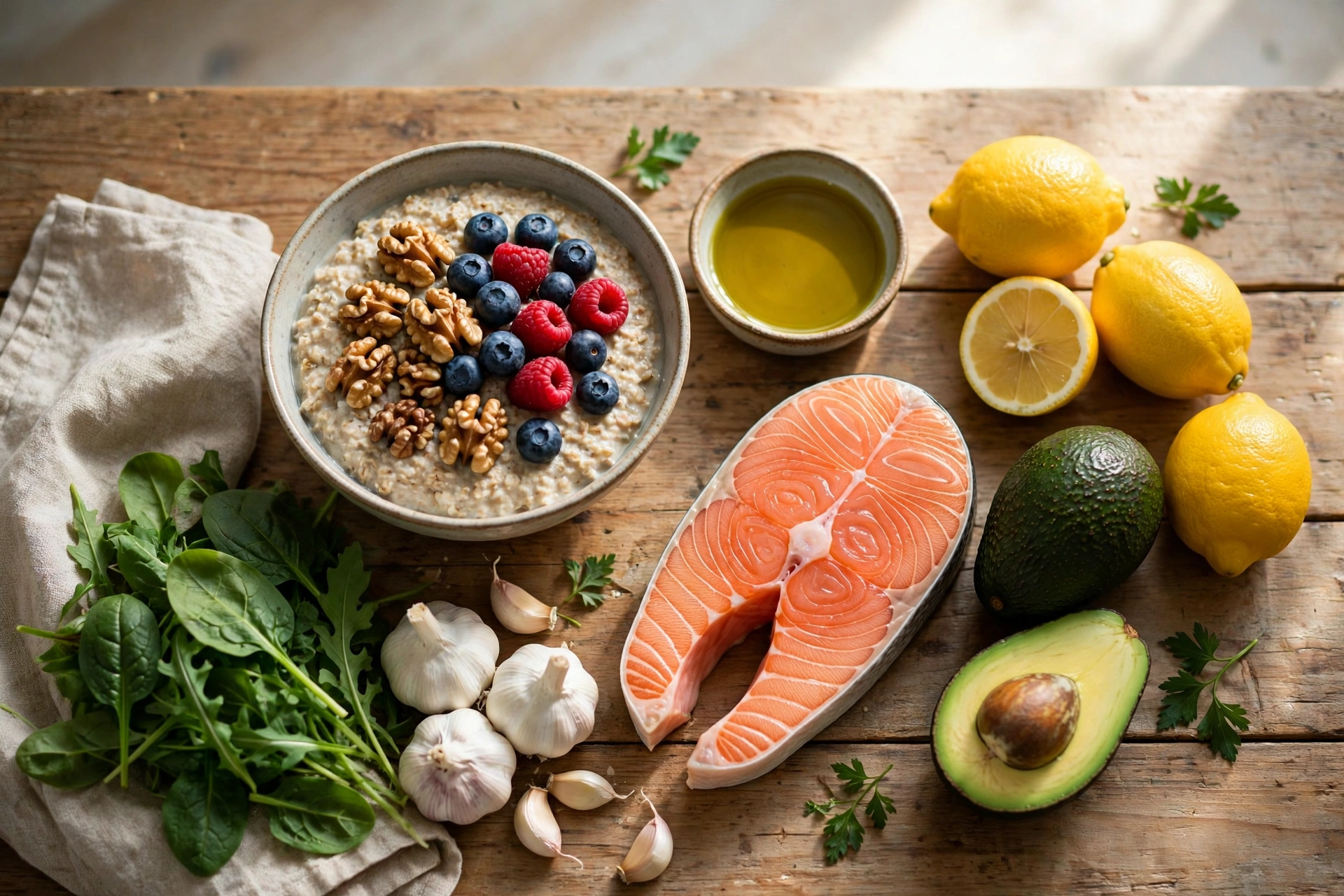
You don’t need protein shakes or a bodybuilder’s diet. Aim for a palm-sized portion at each meal — eggs or Greek yoghurt at breakfast, lentils, chicken, fish, beans, or tofu at lunch and dinner. If your meals currently revolve around bread and rice with a little protein on the side, flipping that balance is one of the highest-impact changes you can make.
3. Eat More Fibre — Especially the Soluble Kind
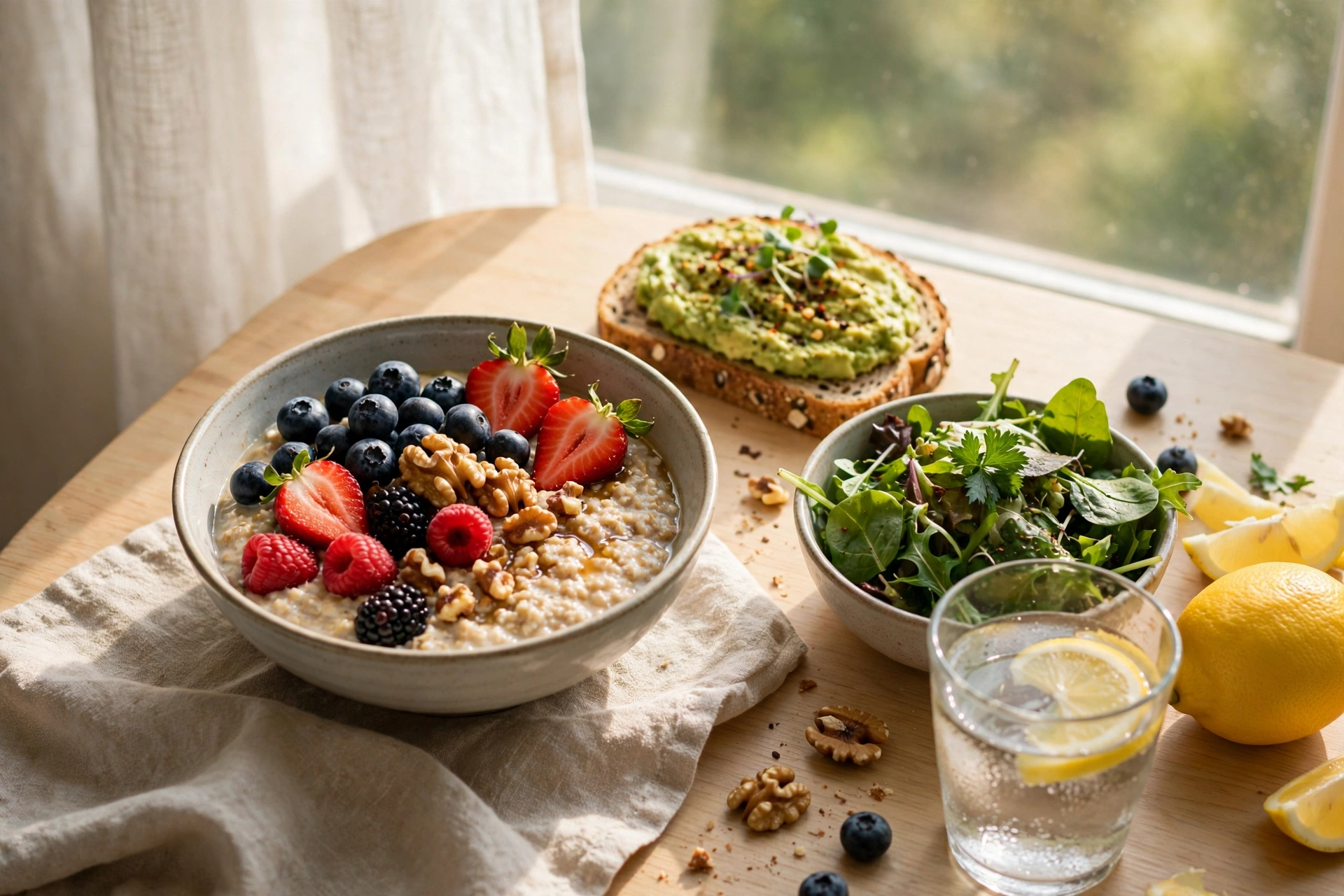
Fibre slows digestion, steadies blood sugar, and feeds the good bacteria in your gut. Soluble fibre in particular — found in oats, beans, lentils, apples, and flaxseeds — has been linked in studies to lower levels of visceral fat.
Not sure where to start? Our guide on fibre explains how to add more without the bloating. A simple first step: swap one refined-grain food a day for a whole-grain one, and add beans or lentils a few times a week.
4. Walk Every Day — Especially After Meals
You don’t need to run marathons. Walking is one of the most underrated fat-loss tools there is, because it’s easy to do consistently and it doesn’t spike your appetite the way intense exercise sometimes can.
A short walk after eating is especially effective: it helps your muscles use glucose from the meal, supporting steadier blood sugar and less fat storage. Even ten minutes after lunch and dinner adds up. Aim for 7,000–10,000 steps a day if you can — but even 5,000 is far better than 2,000.
5. Add Strength Training Two or Three Times a Week
Muscle burns more calories at rest than fat does, so building a little muscle raises your daily calorie burn. Strength training also helps ensure the weight you lose is mostly fat, not muscle — which keeps your waist shrinking rather than just the number on the scale.
Bodyweight squats, push-ups, lunges, and rows with a resistance band, done for 20–30 minutes two or three times a week, are enough to start — and regular strength work also supports a healthier metabolism over time. No gym membership needed.
6. Get 7–9 Hours of Sleep
This is the habit people skip — and then wonder why nothing else works. Short sleep raises ghrelin (the hunger hormone), lowers leptin (the fullness hormone), and pushes many people toward sugary, high-calorie foods the next day. Poor sleep is also linked to greater fat storage around the abdomen specifically.
Treat sleep like part of the plan, not a reward for finishing everything else. A regular bedtime, a cool dark room, and no screens for the last 30 minutes before bed make a real difference.
7. Manage Stress Before It Manages Your Eating
Stress raises cortisol, and chronically high cortisol is associated with increased appetite and more fat stored around the belly. Stress also drives the kind of eating that has nothing to do with hunger — the late-night snacking, the biscuits with the third cup of tea, the “I’ve had a hard day” takeaway.
You can’t eliminate stress, but you can change how you respond to it. A five-minute breathing break, a walk outside, journaling, or calling a friend all work better than willpower alone — the goal is to have something to reach for that isn’t food.
8. Cut Back on Sugary Drinks and Alcohol
Liquid calories are the easiest ones to overconsume because they don’t fill you up. A daily sugary soda or sweetened coffee can add hundreds of calories without you ever feeling full, and fructose-heavy drinks are particularly linked to visceral fat.
Alcohol is similar: it pauses fat burning while your liver processes it and loosens your food inhibitions. You don’t have to quit entirely — but swapping sugary drinks for water or unsweetened tea, and keeping alcohol to a few drinks a week, removes a surprisingly large chunk of belly-fat-friendly calories.
9. Track Progress Beyond the Scale
Belly fat loss is slow, and the scale doesn’t tell the whole story — especially once you start strength training and gaining muscle. Measure your waist once a week at the same spot (just above your hip bones) and notice how your clothes fit.
Healthy waist targets are roughly under 35 inches (88 cm) for women and under 40 inches (102 cm) for men, though your doctor can give you a personal target. Progress of half an inch a month is genuinely good progress — don’t let social media convince you otherwise.
What About Spot Reduction?
Let’s settle this one for good: crunches strengthen your core muscles, but they don’t burn the fat sitting on top of them. Fat loss happens across the whole body, and genetics partly decide where it comes off first. Some people lose it from their face first, others from their legs — the belly is often the last to go, which is frustrating but normal.
That doesn’t mean ab exercises are pointless — a strong core improves posture and protects your back. Just don’t do a hundred sit-ups expecting a flat stomach by Friday. The habits above are what actually move the needle.
How Long Does It Take?
A realistic, sustainable rate is about 0.5–1 kg (1–2 lbs) of total weight loss per week. Visible changes to your waistline typically take 4–8 weeks of consistent habits, and meaningful change takes a few months.
If you’re wondering how to lose belly fat naturally, the timeline above is the honest answer — steady habits, not quick fixes. The people who succeed aren’t the ones with the most extreme plan. They’re the ones who picked a few habits they could actually live with and kept going long after the motivation faded.
The Bottom Line
There’s no secret to losing belly fat naturally, and that’s the best news of all. In short, how to lose belly fat naturally is less about one trick and more about the habits above working together. Eat a little less than you burn, prioritise protein and fibre, walk daily, lift something heavy a few times a week, sleep properly, and manage stress. None of these habits is dramatic alone — together, done consistently for a few months, they change your body in ways a crash diet never will.
Start with just two or three of them this week — the ones that feel easiest. Once they feel normal, add another. That’s how real change actually happens: not in a single heroic effort, but in small choices repeated daily.
Disclaimer: This article is for informational purposes only and is not medical advice. If you have a health condition or concerns, please consult a qualified healthcare professional.