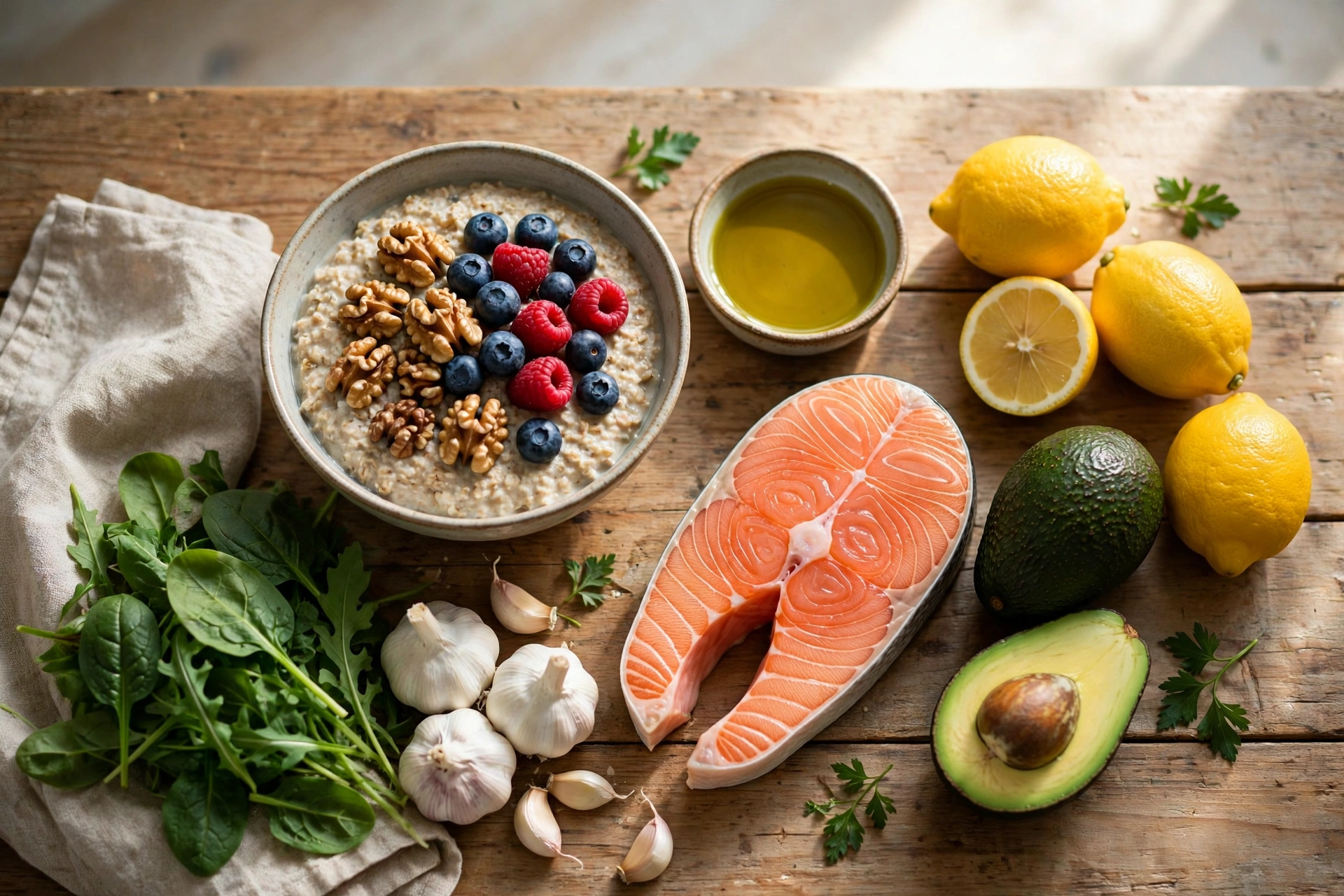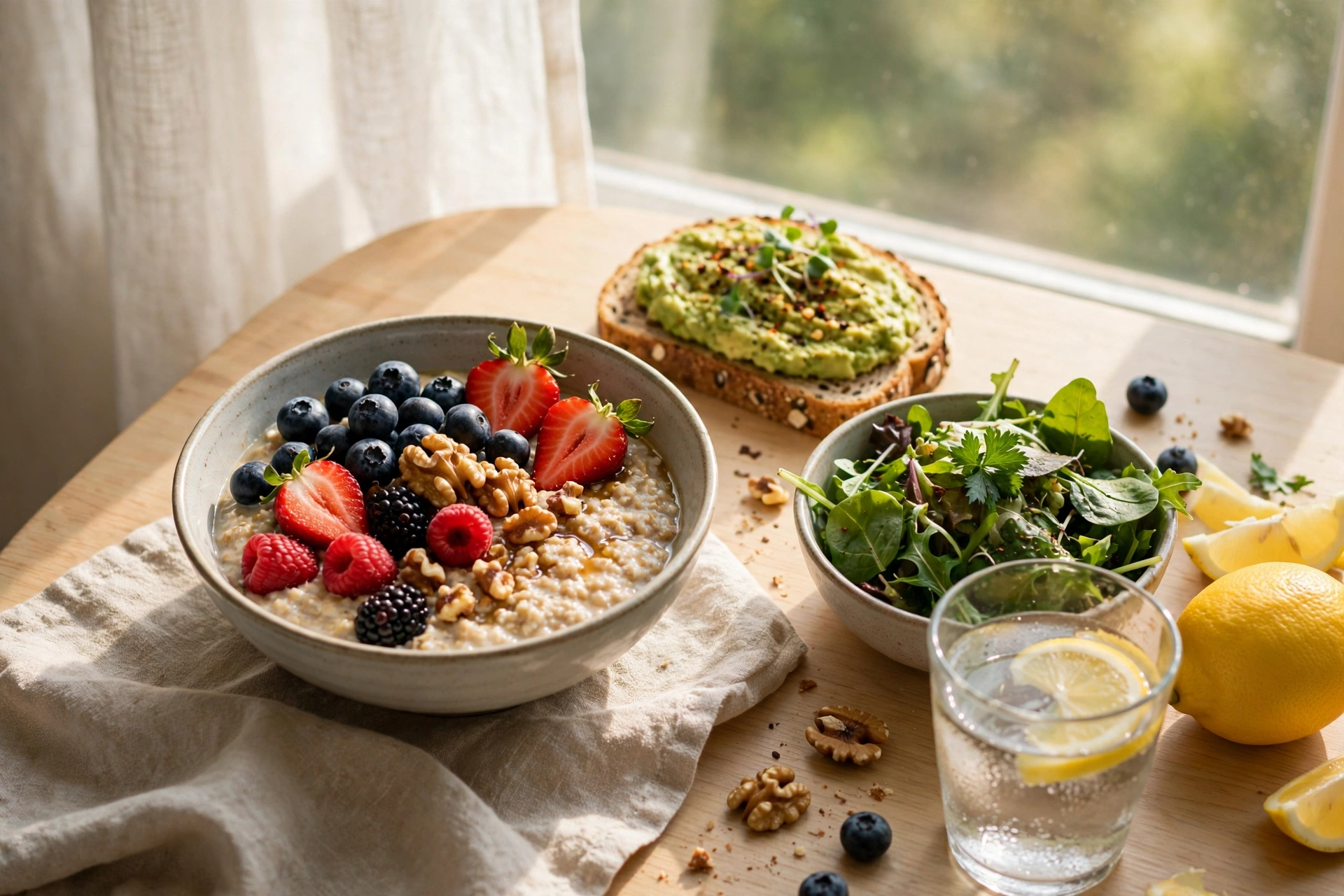










If you’ve ever watched a friend eat twice as much as you and never gain a pound, you’ve probably wondered what’s going on. The answer usually comes down to metabolism — the quiet engine that burns calories all day long, even while you’re sitting on the couch doing absolutely nothing. Once you understand that engine, learning how to boost your metabolism naturally becomes a lot less mysterious.
Here’s the thing most people get wrong: your metabolism isn’t fixed. You can’t change your genes, sure, but the way you eat, move, sleep and even drink water all nudge that engine up or down. And no, you don’t need expensive supplements or a miserable crash
diet. Learning how to boost your metabolism naturally comes down to a handful of small, repeatable habits. Here are nine that actually work.

1. Eat Enough Protein at Every Meal
Of all the nutrients, protein has the biggest effect on your metabolism. Your body burns more calories digesting protein than it does digesting carbs or fat — scientists call this the thermic effect of food, and for protein it’s around 20–30%, compared to roughly 5–10% for carbs.
That doesn’t mean you need a bodybuilder’s diet. It just means anchoring each meal with something protein-rich: eggs at breakfast, lentils or chicken at lunch, yogurt or fish at dinner. A good rule of thumb is a palm-sized portion at each meal. As a bonus, protein keeps you full for longer, so you’re less likely to go hunting for snacks an hour later. Protein is the easiest place to start if you’re learning how to boost your metabolism naturally.
2. Build Some Muscle
Here’s a fact that surprises most people: muscle burns more calories at rest than fat does. Not a dramatic amount per pound, but it adds up — and more importantly, strength training keeps your metabolism elevated for hours after the workout ends.
You don’t need a gym membership or heavy weights to start. Bodyweight exercises like squats, push-ups and lunges, done two or three times a week, are genuinely enough to begin with. If you’re starting from zero, our guide on how to start exercising when you’re completely out of shape walks you through the first steps without the intimidation. If you’re wondering how to boost your metabolism naturally, building muscle is one of the most reliable places to start.
3. Move More Throughout the Day
You don’t have to run marathons. Some of the biggest metabolism wins come from the movement you barely notice — taking the stairs, walking while you’re on the phone, standing up every hour. Researchers call this NEAT (non-exercise activity thermogenesis), and for many people it burns more calories than their actual workouts.
A 30-minute daily walk is one of the simplest ways to build this in. Split it into three 10-minute walks after meals if a full half-hour feels like too much — your metabolism doesn’t care how you divide it up. It’s one of the easiest ways to start learning how to boost your metabolism naturally — no gym required.
4. Drink More Water — Especially Before Meals
Yes, something as boring as water helps. Drinking cold water temporarily raises your metabolic rate because your body uses energy to warm it up. The effect is modest, but it’s real, and it stacks up over the day.
A practical trick: a big glass of water before each meal. It helps with hydration, supports digestion, and often means you eat a little less without even trying. Keep a bottle on your desk so you don’t have to rely on remembering. It’s a tiny habit, but it’s part of how to boost your metabolism naturally without any extra effort.
5. Don’t Skip Sleep
This is the one people underestimate most. One bad night of sleep messes with the hormones that control hunger — ghrelin goes up, leptin goes down — so you wake up craving sugary, high-calorie food and your body burns slightly fewer calories at rest.
Aim for seven to nine hours. It won’t be perfect every night, but protecting your sleep is one of the highest-leverage things you can do for your metabolism. Dim the lights an hour before bed, keep your phone out of reach, and try to wake up at roughly the same time each day — your body clock loves consistency.
6. Eat More Fiber
Fiber doesn’t just keep your digestion happy. High-fiber foods take longer to chew and digest, which means your body works harder processing them — and they keep you full for hours. Beans, lentils, oats, vegetables and whole fruit are all easy wins.
If your current diet is low in fiber, add it gradually and drink enough water alongside it, or you’ll feel bloated. Our guide on how to eat more fiber without the bloating has a simple week-by-week approach.
7. Drink Green Tea or Coffee (in Moderation)
Both green tea and coffee contain compounds that give your metabolism a gentle nudge. Caffeine increases calorie burning in the short term, and green tea’s catechins seem to help fat oxidation. We’re talking about a small boost, not a miracle — but if you already enjoy a morning coffee or an afternoon cup of green tea, that’s a nice bonus.
The catch: keep it simple. A black coffee or plain green tea helps; a large caramel latte with whipped cream does not. And stop caffeine at least six hours before bed, or you’ll undo the sleep benefit from habit number five.
8. Eat Regularly — Don’t Starve Yourself
Skipping meals and crash dieting backfire more often than people admit. When you eat far too little for too long, your body adapts by slowing down — it burns fewer calories to protect itself. That’s why people who crash diet often regain the weight, sometimes with interest.
You don’t need to eat every two hours, and you don’t need to force breakfast if you’re genuinely not hungry. The point is simpler: eat enough, eat mostly whole foods, and don’t punish your body with extreme restriction. A steady, adequate intake keeps your metabolic engine running at its normal pace. If you’re unsure what to eat around workouts, our guide on what to eat before and after a workout keeps it practical. That’s the unglamorous truth about how to boost your metabolism naturally: consistency beats extremes.
9. Manage Your Stress
Chronic stress raises cortisol, and high cortisol nudges your body to store fat — especially around the belly — and can slow your metabolism over time. It also makes you crave comfort food, which is a double hit.
You can’t eliminate stress, but you can lower its volume. A ten-minute walk outside, a few slow breaths before a stressful meeting, or simply putting your phone away for an hour in the evening all count. Small, consistent decompression beats an occasional dramatic detox. That matters, because stress management is a real part of how to boost your metabolism naturally over time.
The Bottom Line: How to Boost Your Metabolism Naturally
There’s no single trick that transforms your metabolism overnight, and anyone selling you one is selling something else. What works is the boring, reliable combination: enough protein, some muscle, daily movement, water, sleep, fiber, and a little less stress. Pick two
or three habits from this list and start there. Give them a few weeks — your energy, your appetite and your waistline will tell you the rest.
Want to dig deeper into the science? Mayo Clinic’s guide to metabolism and weight loss explains how your body burns calories — a useful companion to the habits above. In short, how to boost your metabolism naturally is a long game: small habits, repeated daily, beat quick fixes every time.
Disclaimer: This article is for informational purposes only and is not medical advice. If you have a health condition or concerns, please consult a qualified healthcare professional.