







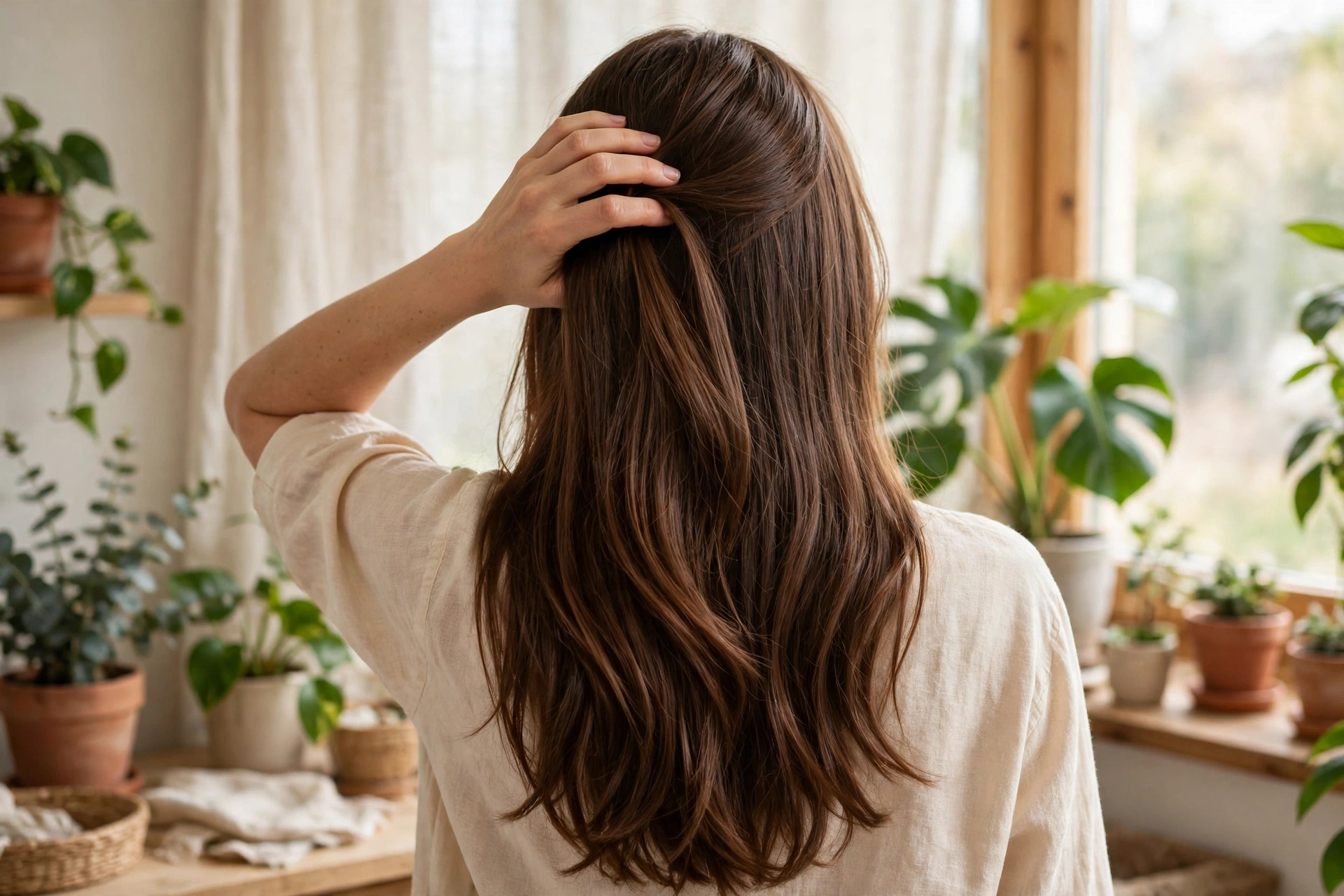
You know that feeling when you run your fingers through your hair and it just feels… tired? Dry at the ends, flat at the roots, and somehow thinner than it used to be. Most of us have been there, and the first instinct is usually to buy another expensive shampoo or a miracle serum. But here’s the honest truth: healthy hair doesn’t start in a bottle. It starts with what you eat, how you treat your scalp, and the small daily habits that either help your hair or quietly damage it.
The good news is that learning how to improve hair health naturally doesn’t require a salon budget or a ten-step routine. Your hair is mostly protein, and it grows from follicles that respond to nutrition, blood flow, rest and gentle handling. Give those follicles what they need and they’ll do the rest. Let’s walk through ten habits that actually work.
1. Eat Enough Protein — Your Hair Is Built From It
Hair is roughly 95% keratin, a type of protein. When your diet falls short on protein, your body prioritises the organs that need it most, and hair growth is one of the first things to slow down. The result is weaker strands and more shedding than usual.
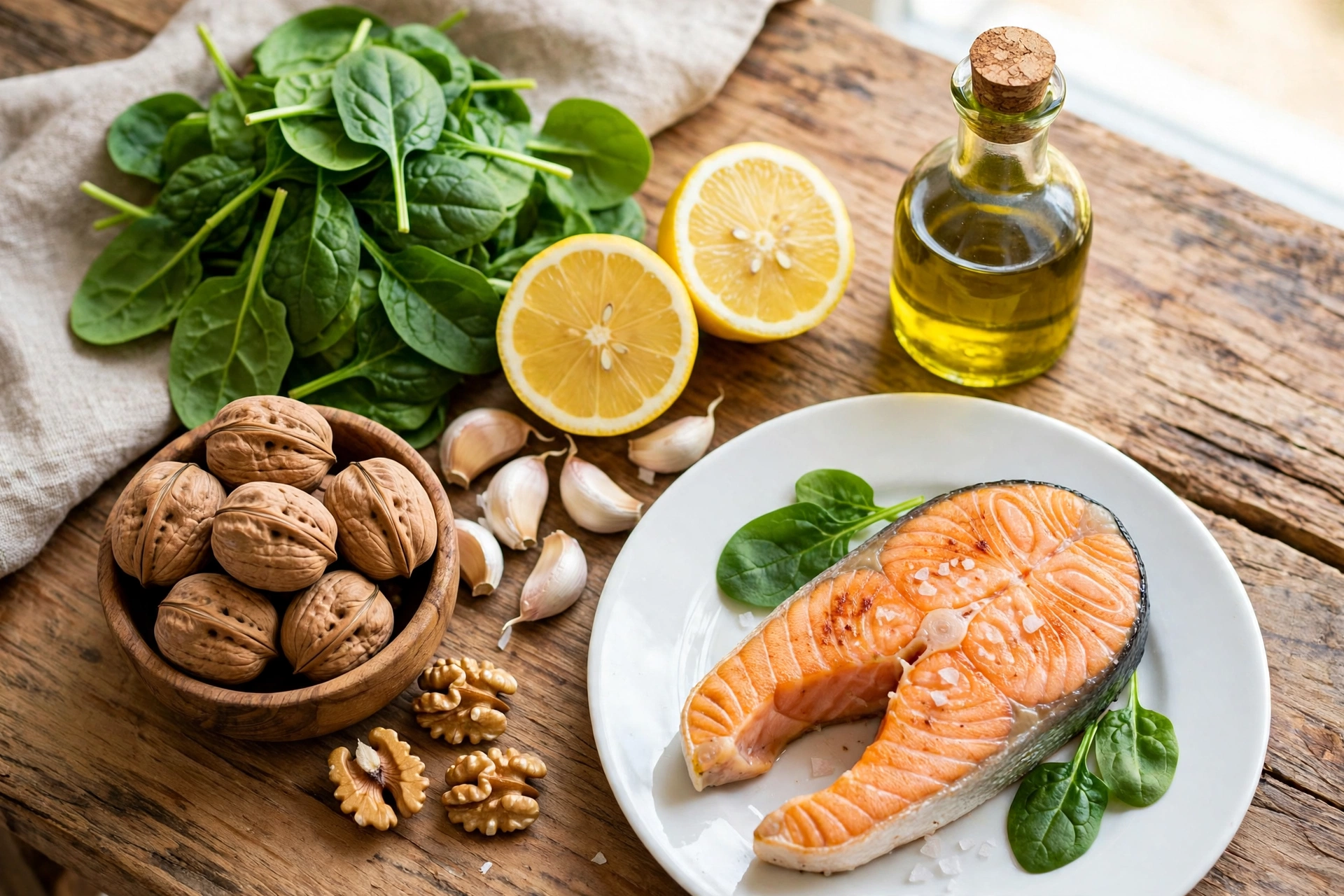
You don’t need a bodybuilder’s diet. A palm-sized portion of protein at each meal — eggs, lentils, chicken, fish, Greek yoghurt, beans or tofu — is enough for most people. If you’re unsure how much you personally need, our guide on how much protein you need breaks it down simply. Hair grows slowly, so give this one at least two to three months before judging the results.
2. Feed Your Follicles With the Right Nutrients
Protein is the foundation, but a few other nutrients play starring roles in hair health:
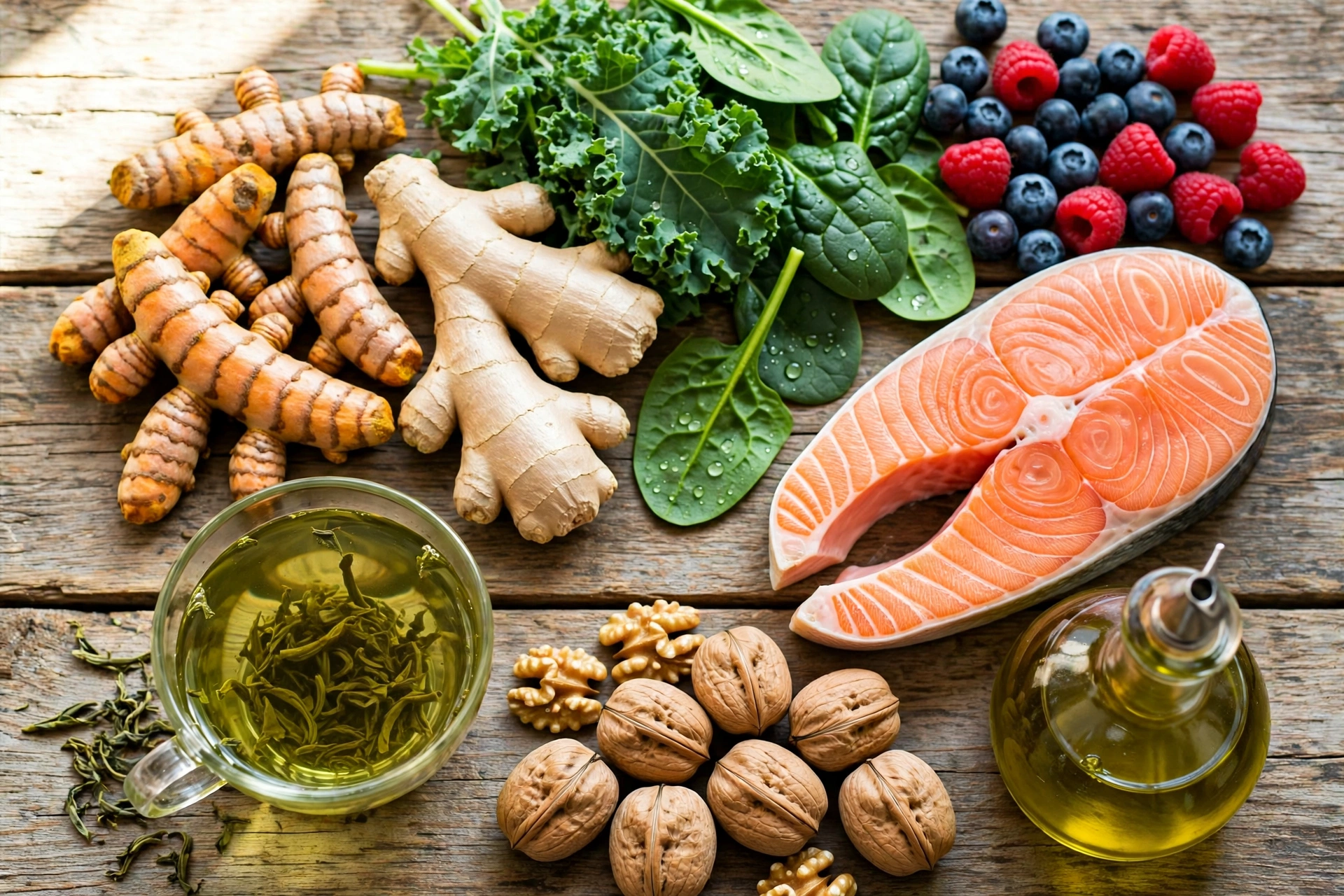
- Iron — low iron is one of the most common causes of hair shedding, especially in women. Red meat, spinach, lentils and beans are good sources.
- Zinc — helps with hair tissue growth and repair. You’ll find it in pumpkin seeds, chickpeas and seafood.
- Biotin and B vitamins — support keratin production. Eggs, nuts, whole grains and sweet potatoes cover most of them.
- Vitamin D — low levels are linked to hair thinning. A bit of sensible sun exposure and vitamin-D-rich foods like fatty fish help.
A varied, colourful diet usually covers all of these. Supplements can help if you’re genuinely deficient, but they’re not a substitute for real food — and it’s worth checking with your doctor before taking high doses.
3. Be Gentle When You Wash
Most hair damage happens in the shower, not in the sun. Hot water strips natural oils, rough towel-drying snaps strands, and scrubbing your scalp with your nails irritates the skin underneath.
Try this instead: wash with lukewarm water, massage shampoo into your scalp with your fingertips (not your nails), and let the shampoo run down the lengths as you rinse — the ends don’t need direct scrubbing. Pat your hair dry with a soft towel or an old cotton t-shirt instead of rubbing it. It sounds small, but over months it makes a visible difference. Washing gently is a small part of how to improve hair health naturally, but it adds up over time.
4. Stop Over-Washing — and Skip the Daily Heat
Washing every day isn’t a crime, but for most hair types it’s unnecessary and it strips the natural oils that keep strands flexible. Try stretching to every second or third day. Your scalp usually adjusts within a couple of weeks and produces less oil, not more.
The same logic applies to heat styling. Flat irons, curling wands and high-heat blow dryers weaken the hair shaft over time, and the damage is cumulative. When you do use heat, always use a heat protectant spray and the lowest temperature that gets the job done. Better still, let your hair air-dry a few days a week and give it a proper break.
5. Look After Your Scalp — It’s Where Hair Is Born
We spend a fortune on the ends of our hair and almost nothing on the scalp, which is backwards. Healthy hair can only grow from a healthy scalp. Product build-up, excess oil and a dry, flaky scalp all make it harder for follicles to do their job. A healthy scalp is the foundation of how to improve hair health naturally.
Once or twice a week, spend two minutes massaging your scalp with your fingertips — in the shower, or with a few drops of a light oil like jojoba or coconut if your scalp is dry. Massage boosts blood flow to the follicles, which is exactly what growing hair needs. If you have persistent flaking, itching or redness, a dermatologist can tell you whether it’s simple dryness or something that needs treatment.
6. Drink Enough Water
Hair strands are about a quarter water, and dehydration shows up as dull, brittle hair that breaks easily. It’s not the most glamorous advice, but staying hydrated genuinely helps — it supports the cells that build hair and keeps the scalp from drying out. Staying hydrated is another simple part of how to improve hair health naturally.
Aim for around 6–8 glasses a day, more if it’s hot or you’ve been exercising. Keep a bottle nearby so you don’t have to think about it. If you want a practical guide to getting this right, our hydration guide explains how much you actually need.
7. Sleep Well — Hair Grows While You Rest
Your body does most of its repair work while you sleep, and that includes hair growth. Melatonin, the hormone that regulates your sleep cycle, also plays a role in hair growth, and chronic short sleep is linked to increased shedding.
Aim for 7–9 hours, and keep a reasonably consistent bedtime. If falling asleep is the hard part, our guide on how to fall asleep fast has practical techniques that actually work. And one small tip: swap your cotton pillowcase for a silk or satin one. It creates less friction, which means less breakage and fewer tangles by morning.
8. Manage Stress — Your Hair Notices Before You Do
Ever noticed extra hair in the shower drain during a stressful month? That’s not your imagination. Stress pushes a large number of hair follicles into their resting phase at once, and a few months later those hairs shed together — a condition called telogen effluvium. The good news is that it’s usually temporary once the stress eases.
You can’t eliminate stress, but you can give your body a daily release valve. A ten-minute walk, slow breathing, journaling, or simply talking to a friend all lower stress hormones. Our guide to managing stress naturally walks through the options in detail. Your hair — and everything else — will thank you for it.
9. Trim Regularly and Protect Your Hair From the Sun
Split ends don’t repair themselves, and once a split travels up the strand, the only fix is cutting it off. A small trim every 8–12 weeks keeps the ends healthy and stops damage from spreading, which actually helps your hair look longer over time.
Sun matters too. Hours of strong sunlight dry hair out and fade its colour, just like it does to fabric. A hat or a scarf on long sunny days is the simplest protection there is — no product required. Protecting your hair from the sun is also part of how to improve hair health naturally.
10. Be Patient — Hair Health Is a Slow Game
Here’s the part nobody likes hearing: hair grows about half an inch a month. The habits in this article won’t transform your hair overnight, and anyone promising instant results is selling something. What you can realistically expect is less breakage and shedding within a month or two, and visibly stronger, shinier hair in three to six months.
That’s actually good news. It means the changes are real and lasting, not cosmetic. Pick two or three habits from this list that feel doable — maybe the protein at breakfast and the gentler washing routine — and build from there. Consistency beats intensity every time, and that steady approach is how to improve hair health naturally for the long term.
A Simple Way to Start
Don’t try all ten habits at once. Start with the two easiest: eat a proper protein-rich breakfast, and wash your hair more gently with lukewarm water. Do those for two weeks, then add the scalp massage and the extra glass of water. Small steps, repeated daily, are how real change happens — for your hair and for everything else. That is how to improve hair health naturally — one small, repeatable step at a time.
How to Improve Hair Health Naturally: Final Thoughts
And remember: these habits support your hair’s health, but they don’t replace medical care. If you’re losing hair suddenly, in patches, or along with other symptoms, see a doctor or dermatologist — some causes, like thyroid problems or iron deficiency, need proper testing and treatment.
Disclaimer: This article is for informational purposes only and is not medical advice. If you have a health condition or concerns, please consult a qualified healthcare professional.